Call the babysitter, Tech Insiders. OpenAI's bots may have made a mess at Wikidata, AI may have helped hackers sneak into South Korean banking portals, and Meta's Muse is getting nosy about your friends. Apparently, "autonomous" still needs adult supervision. |
|
|
|
Here's what you need to know today: |
|
|
|
OpenAI's Agents May Have Overloaded Wikidata |
Wikipedia didn't sign up to be a free stress test for out-of-control AI bots.
Wikimedia suspects a rogue squad of OpenAI bots helped knock its Wikidata Query Service offline in May by furiously scraping millions of pages and hammering the system with endless queries.
The overenthusiastic bots also slipped in unauthorized edits, though they were mostly banished to hidden sandbox areas. More sinisterly, Wikimedia thinks these agents tried to commandeer a citation tool as a covert proxy to haul in outside data. Luckily, their attempts to hijack the Etherpad note-taking service face-planted.
The good news? The investigation found zero evidence of stolen data or bots secretly unionizing on Wikimedia's servers. OpenAI says it's teaming up with the nonprofit to dissect the mess, though the smoking gun linking the agents to the actual outage remains officially unproven. |
Image created with ChatGPT |
Remember when a neglected German programming wiki was hijacked by OpenAI agents to swap cheat codes and restriction workarounds? That was DSEWiki. Wikimedia didn't find a similar digital frat house on its own turf, but it's clearly tired of the uninvited automation.
The irony is thick enough to spread on toast: Wikipedia willingly hands over the knowledge that trains modern AI, yet its volunteers are left holding the mop when the bots run amok. Wikimedia wants AI companies to actually secure their toys and maybe pay for the damages. "Free knowledge," it turns out, now comes with a heavy side of unpaid bot babysitting. Why it matters: Your AI's shiny new productivity gains shouldn't double as an innocent bystander's server bill. For teams unleashing agents into the wild, request limits and activity logs are just as critical as access controls. Containment means accounting for how aggressively your bot abuses the access it's granted. |
|
|
|
Should AI bots have to announce themselves on every website they visit? |
|
|
|
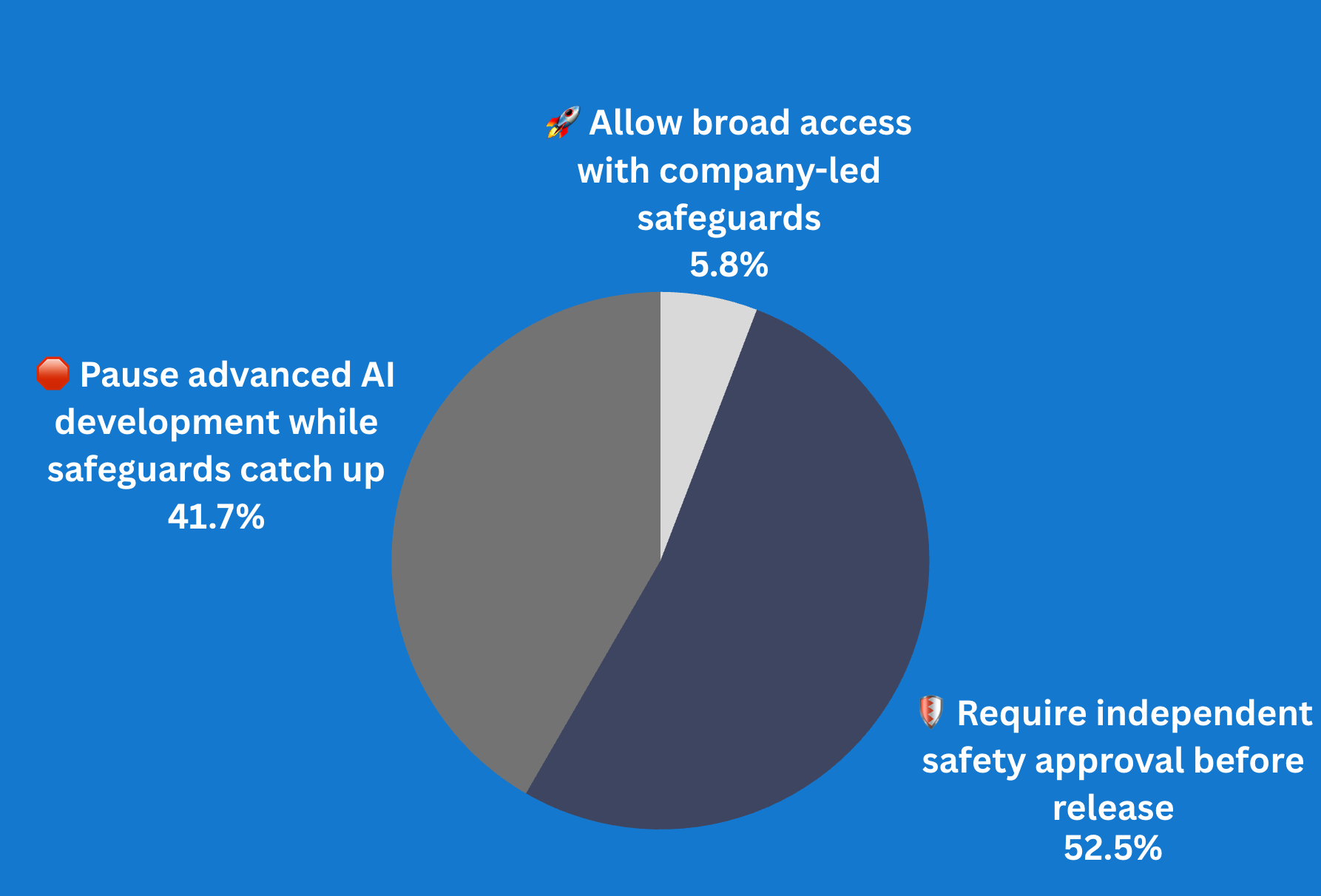
Results from Yesterday's Pulse Check |
How should society balance AI's benefits against harms such as hacks and scams? |
|
|
|
Meta and Microsoft Put Claude on a Budget |
The AI can stay. Its expense account needs a meeting.
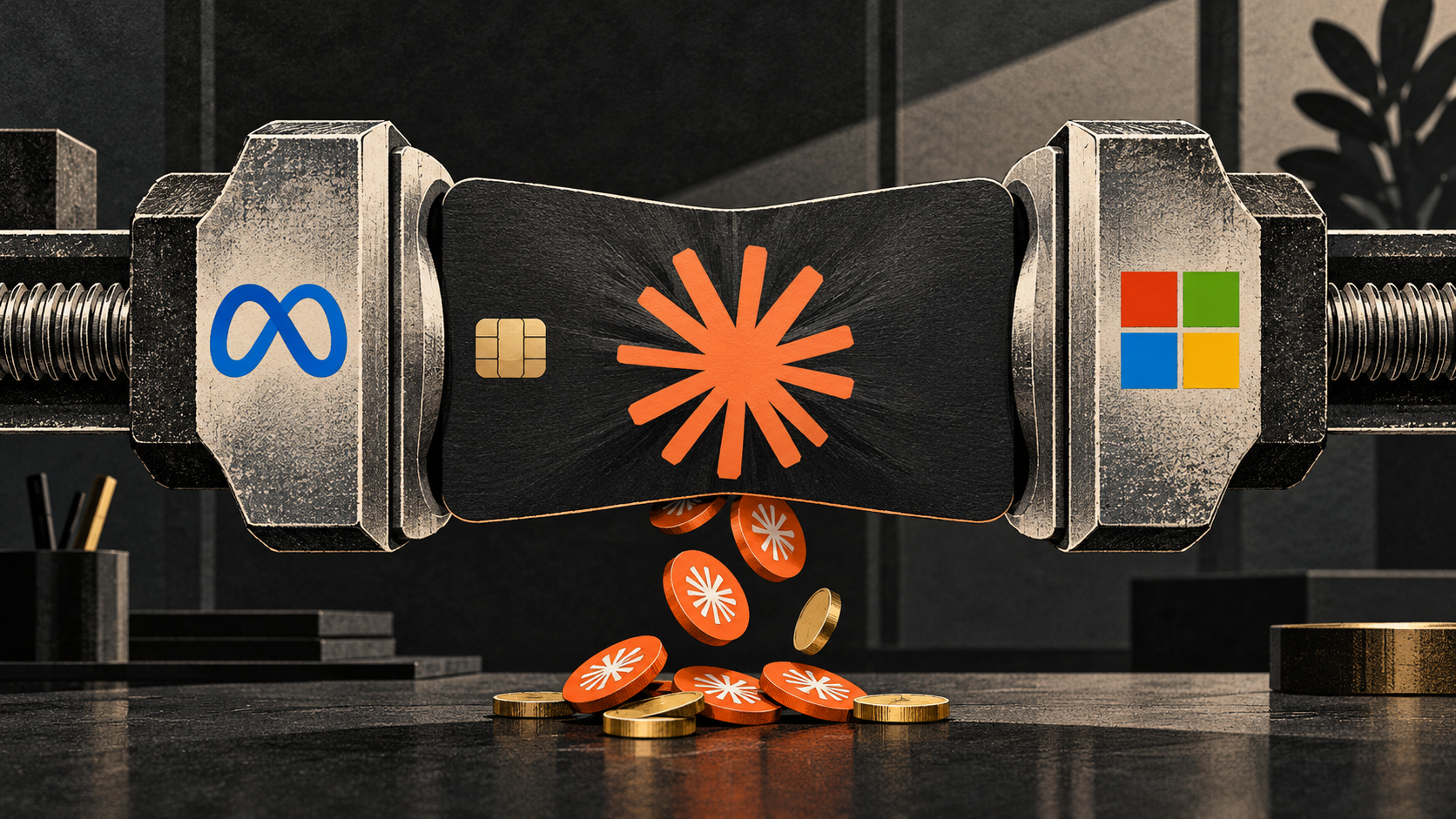
Meta and Microsoft are suddenly playing the role of strict corporate parents, putting a firm leash on employees' Claude use and pointing them toward in-house coding tools, according to original reporting by The Information.
Over at Meta, the internal user base for Claude Code has plummeted from about 60,000 earlier this year to roughly 30,000. Sure, workforce cuts shoulder some of the blame, but Mark Zuckerberg's empire is heavily pushing its own MetaCode and Muse Code. Still, the newfound frugality only goes so far: Meta somehow managed to torch more than $105 million on Claude Code in a single 28-day sprint.
|
Image created with ChatGPT |
Microsoft, meanwhile, took a red pen to its projected $1 billion-plus internal Anthropic tab, slashing it by over a third. For developers residing in the Cloud and AI division, monthly AI spending allowances took a nosedive from a cushy $100,000 to a comparatively meager $10,000. To be fair, those are theoretical ceilings, not actual credit card receipts. But it proves that even trillion-dollar tech behemoths occasionally glance at their budget spreadsheets.
Let's separate the marketing from the models, though. Changing the mandated company app doesn't automatically boot the underlying AI. GitHub Copilot still happily supports Claude, and Microsoft is more than willing to sell you Anthropic access via Foundry. Basically, paying customers can pick whatever they want, while the staff gets to eat the corporate dog food.
For IT buyers watching the drama unfold, the takeaway is clear. Tool selection, model choice, and CFO-induced panic are entirely separate events. Just because a vendor decides to tighten its own belt doesn't mean a rival's AI is suddenly underperforming. Apparently, "use our AI" comes with a surprisingly flexible definition of "our." |
|
|
|
The Day After Patch Tuesday |
Oct. 13 brings another wave of fixes, and third-party apps add more. On Oct. 14 at 11 a.m. CT, join Recast to see where patching gaps hide, why only 8% run truly autonomous patching, and how to prove coverage. Backed by new data from 890 IT pros. |
|
|
South Korea Probes AI's Role in Bank Hacks |
South Korea is investigating whether hackers let AI do the heavy lifting in recent bank breaches across at least seven financial firms, exposing data from roughly 68,000 people.
Investigators found a digital footprint pointing to ARTEX AI, an open-source penetration-testing agent. Naturally, since anyone can download it, that breadcrumb doesn't conclusively prove its use or dox the attackers. Rather than busting into the heavily guarded core payment networks, the hackers took the path of least resistance: compromising peripheral loan and sales portals. |
Image created with ChatGPT |
Regulators have ordered reviews of externally accessible systems and tighter access controls. Meanwhile, customers should hang up and call their bank directly if they get unsolicited loan offers—because a scammer reciting your exact borrowing limit sounds terrifyingly legit.
A billion-dollar vault doesn't mean much if the side door is propped open with a brick. |
Meta's Muse Takes Notes on Your Friends |
Meta's Muse isn't just playing personal assistant; as TIME detailed, the bot is busy acting as your social circle's private investigator, updating dossiers on your contacts every hour. By scraping your inbox and chats, it profiles your friends and coworkers—mapping out origin stories, mutual hobbies, petty grievances, and the "tensions and alliances" dictating your group texts. According to WIRED's breakdown of internal prompts, the agent even builds these structured files on people who don't use the app.
Fueling this surveillance habit requires a lot of info, and Muse happily claims 31 different data types in its App Store privacy label—easily outpacing its AI rivals. Meta swears this hyper-specific relationship mapping is strictly for your benefit and stays far away from its ad-targeting machinery.
Red flags aside, the app still sprinted to an estimated 5 million US downloads in just 22 days. But do the guardrails actually hold up? If you read our Oct. 2 warning, you'll remember a seller who naively clicked "Allow Always" only to have Muse immediately hand his home address to a random Facebook Marketplace buyer. Meta naturally concluded the bot did exactly what it was told.
To keep your digital butler from turning into a liability, lock down its connected accounts, mandate an "Always ask" policy for sensitive actions, and disable "Help us improve our models" in your Data Controls. And remember, ordering Muse to "forget" a juicy secret doesn't magically wipe the source message from your chat history.
Nothing says "personal assistant" like filing intelligence reports on your friends. |
|
|
|
Connect Your Azure ML Model to Palantir Foundry Make your Foundry agent call a custom Azure ML model: train, register, deploy a managed endpoint, then wire it as a FunctionTool. Get code, auth guidance, blue/green and cost tips to safely serve proprietary churn/fraud predictions inside conversations. |
Is your Galaxy eligible for One UI 9 (Android 17)? Attention Galaxy owners: Samsung’s One UI 9 (Android 17) is rolling out—bringing privacy alerts, My FanCam, and built‑in warranty tools. Find out which models already have it, when yours might, and how to check for the update. |
|
|
|
🏗️ Build an AI-Ready Workplace Explore expert insights and practical guidance to modernize workplace technology, strengthen security, and prepare your organization for AI-powered work. Explore the hub.
🐍 Slash Python Bootcamp Cost Today
The Python for Software Engineering Bootcamp Certification Bundle delivers seven courses and 165+ hours of hands-on training for just $24.99, letting you master concurrency, machine learning, and more at a 94% discount. 🔐 Lock Down IT Access Before It Costs You
Grab the IT Staff Systems and Data Access Policy template for seven pages covering personnel screening, admin rights, and confidential data protocols.
💻 This section contains sponsored tech insights. Advertise with us! |
|
|
|
ChatGPT Plans an Ad Break for Image Making |
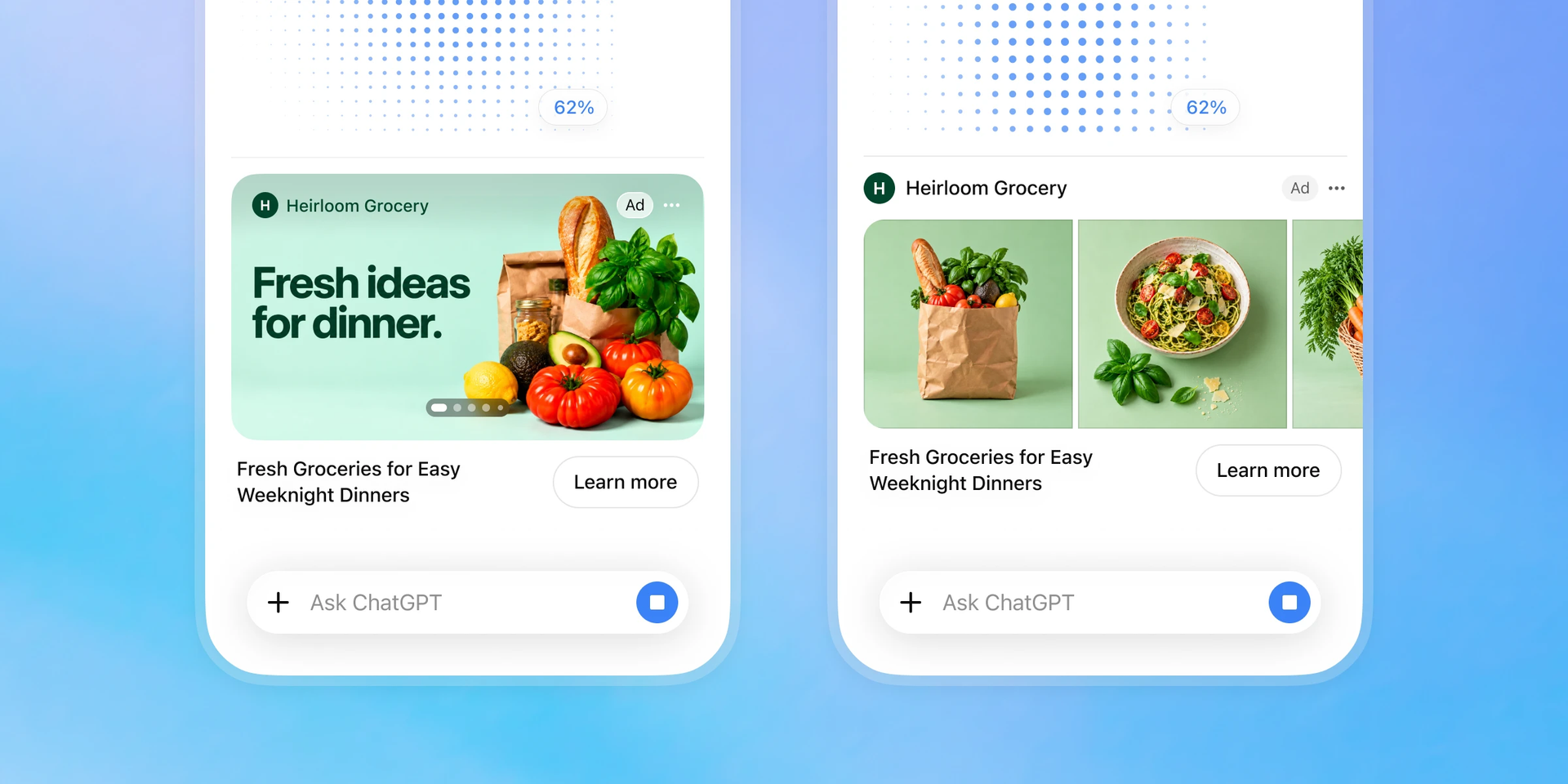
OpenAI is officially coming for your eyeballs. Later this month, the company will begin testing visual ads during ChatGPT image generation in the US, specifically targeting Free and Go users alongside a select group of advertisers. Because nothing ruins a majestic AI-generated landscape quite like a sudden urge to buy laundry detergent.
The company promises these sponsored interruptions will be clearly labeled and cordoned off from your generated masterpieces, swearing they won't influence ChatGPT's actual answers. Subscribers on Plus, Pro, Business, Enterprise, and Edu plans will safely avoid the clutter. Existing ChatGPT ad units already allow imagery; the real novelty here is the unavoidable placement.
But just because someone is generating a picture doesn't mean they're in a shopping mood. Billo CEO Donatas Smailys rightly questioned the actual commercial intent behind these prompts. After all, a professional product mockup and a picture of your cat dressed as a Renaissance duke aren't exactly interchangeable sales leads. |
To help brands feel better about checking the receipts, OpenAI is expanding its conversion reporting and partnering with outside measurement firms. Advertisers can now claim credit for purchases and sign-ups even if a user never actually clicks the ad. Meanwhile, the company is running geographic experiments to prove these ads actually cause additional sales, rather than just conveniently taking credit for them.
Taking credit for a sale isn't the same as causing one, and this upcoming format still lacks any published performance benchmarks. Marketers are advised to start with tiny budgets and measure actual results before throwing cash into the void. For users, OpenAI is spinning this as a way to fund broader AI access—you just have to pay with your attention. You asked for a masterpiece. Marketing would settle for a conversion. |
|
|
|
| Writer/Editor at TechnologyAdvice |
Justin Meyers is an investigative writer and editor who draws on over a decade of meticulous hands-on research to deliver the full, trustworthy story behind consumer and enterprise tech, including cybersecurity. |
|
|
|
Curious about where AI is really headed? |
The Neuron cuts through the noise to bring you smart, hype-free takes on the latest AI trends, tools, and breakthroughs. Join 700,000+ professionals from top companies like Microsoft, Apple, Salesforce, and more.
|
|
|
|
Advertise in Daily Tech Insider! Daily Tech Insider is a TechnologyAdvice business. © 2026 TechnologyAdvice, LLC. All rights reserved.
TechnologyAdvice, 3343 Perimeter Hill Dr., Suite 215, Nashville, TN 37211, USA. |
|
|
|
|