







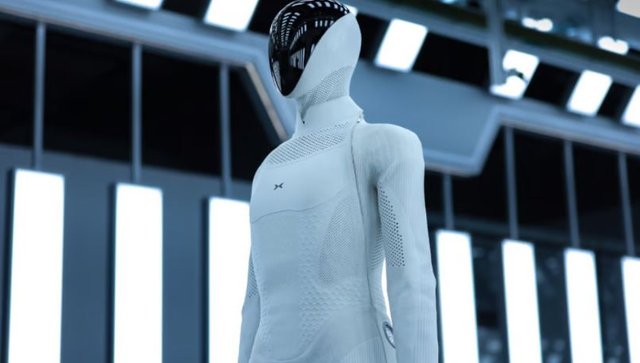
The first useful thing XPeng’s humanoid robot learns in a car showroom might be when to stop talking.
At its Nov. 25 AI Day in Guangzhou, XPeng said its IRON humanoid is scheduled to start training as a store assistant in the first quarter of 2027. The automaker is targeting a public release in the second quarter. It also unveiled an AI architecture designed to give its cars and robots a common technological foundation.
A showroom gives XPeng a way to test whether any of that makes shopping easier. A robot might be able to distinguish between two trims. The harder question is what it does when a customer asks about a promotion it can’t verify, and the only salesperson nearby is already busy.
What’s new in XPeng’s plan
XPeng has talked about putting robots in dealerships before. As eWEEK previously reported, company president Brian Gu envisioned a robot that could greet buyers, explain features, and walk customers around a vehicle. What’s new is a timetable that separates training from release.
| Milestone | What XPeng says |
| Q1 2027 | IRON is scheduled to begin training as an assistant in XPeng’s own stores. |
| Q2 2027 | XPeng is targeting a public release. |
The distinction matters if you’re budgeting for a robot. The second-quarter target doesn’t tell you when one could arrive at your store, or what it would cost to run. The Nov. 25 announcement didn’t specify how many stores or robots would participate, nor did it report results from store training.
What a car and a showroom robot can share
XPeng calls the new architecture Turing Physical AI Architecture, or VLA 3.0. It splits the work into three layers: one coordinates hardware, another reacts to what the machine senses, and a third plans more complex tasks.
Picture a customer asking to see the silver car while someone steps in front of the robot. Figuring out which car the customer means can wait a beat. Responding to the person in its path can’t. That illustrates why the architecture separates planning from faster responses.
XPeng previously tied its robots and robotaxis to its own Turing chips. It now says it can also reuse computing, data tools, and control technology across the two businesses. That may save development work. It doesn’t tell a retailer whether IRON can get through a Saturday rush without staff constantly stepping in.
What eWEEK found: The handoff is the test
The showroom number I’d watch is how often a salesperson has to start the conversation over. A robot might look busy greeting customers all afternoon. If staff spend the same amount of time answering their questions afterward, the robot hasn’t made the job easier.
Three checks would tell us more than a demo:
- Did it give the right answer? Test routine questions about different trims and features. Count wrong answers separately from questions the robot correctly sends to staff.
- Did the handoff save the customer time? Measure the wait for a person and whether the customer has to repeat the question. A speedy referral that leads nowhere is still a dead end.
- Did staff get time back? Count the minutes spent supervising, correcting mistakes, and getting the robot back up and running. Compare that with the time employees would normally spend doing the same job.
The principle applies beyond retail. Atlas’s planned chip-plant tests involve different work, but the question is the same: Can a robot take on a specific task without creating a second job for the people around it?
If you’re weighing a showroom robot, time one task your staff already handles, such as directing buyers to a model or answering common feature questions. Ask the vendor to run it during busy and quiet hours with unscripted questions and a clear fallback to a person. Until XPeng shares results from its own stores, the 2027 dates tell you when to look for evidence, not how much time you’ll save.
Related reading: See where humanoids and conventional warehouse robots each earn their place.