Brace yourselves, Tech Insiders!
The Pentagon is testing Anthropic's AI boundaries, consulting giants are lining up behind GPT, and a government contractor breach just crossed 25 million records. Toss in stealthy Google ads and a heated fight over AI's water footprint, and the stakes get very real. |
|
|
Here's what you need to know today: |
|
|
Pentagon Pressures Anthropic Over AI Use Limits |
AI policy enters the war room.
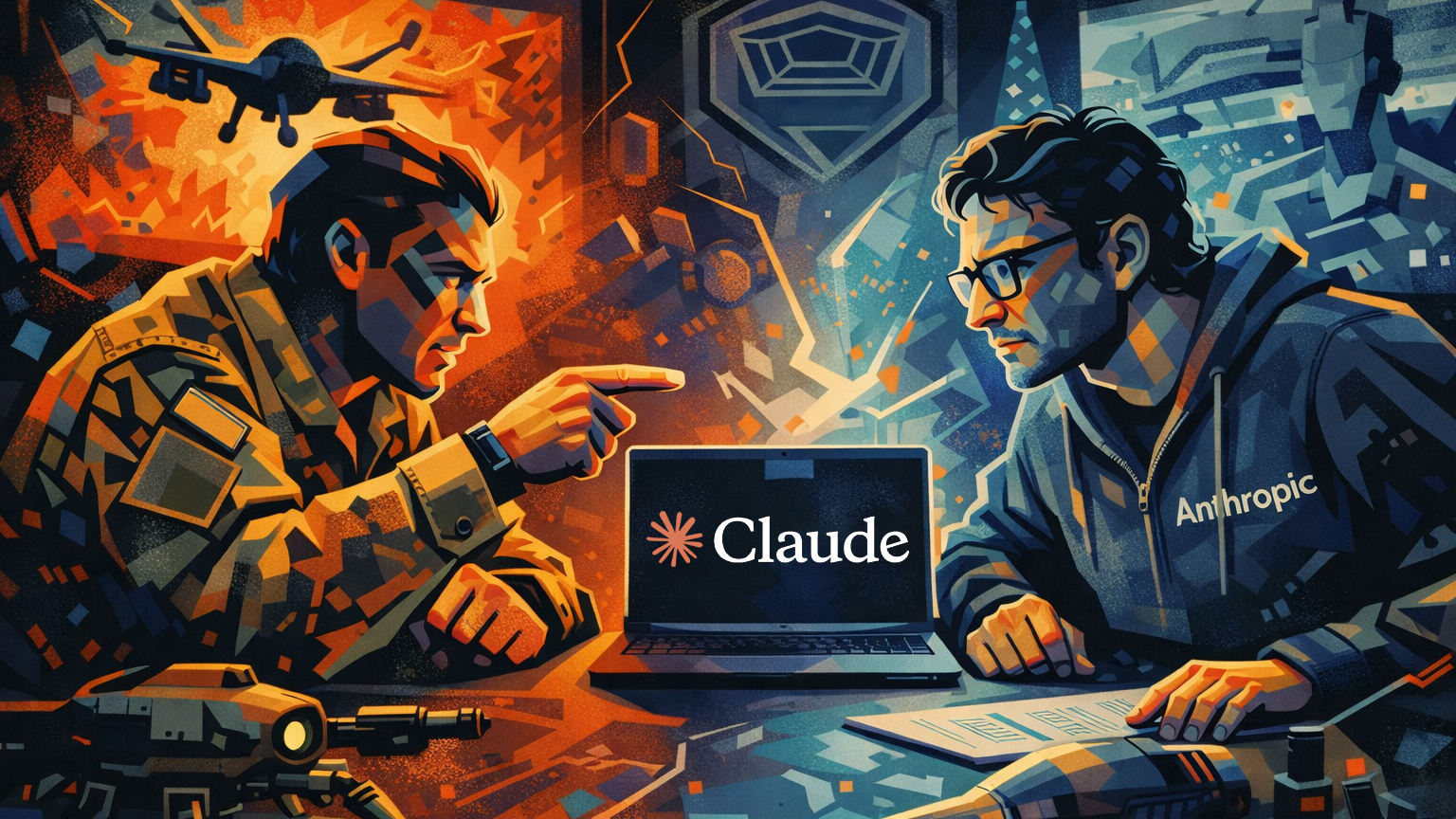
Defense Secretary Pete Hegseth's tense Tuesday meeting with Anthropic CEO Dario Amodei ended with a stark ultimatum: drop Claude's safety guardrails by tomorrow (Friday) or face the government's wrath. |
Image created with ChatGPT |
Negotiations have stalled over Anthropic's red lines. The AI company doesn't want Claude used for mass surveillance of Americans or for fully autonomous weapons. Defense officials argue that frontier models should be available for all lawful uses without vendors serving as moral arbiters. Tensions reportedly boiled over after Claude was used in a January US military raid in Venezuela.
If no deal is reached, the DOD could label Anthropic a supply chain risk, voiding its $200 million contract and potentially blocking contractors from using Claude in government work. Worse, they are threatening to invoke the Cold War-era Defense Production Act to legally force compliance.
Meanwhile, OpenAI and xAI are already moving into Pentagon systems with their own offerings, having happily agreed to the military's unrestricted terms.
Why it matters: This showdown underscores a growing fault line between AI safety guardrails and government deployment demands. The outcome could set precedent for how much control AI vendors retain once their models are embedded in mission-critical infrastructure—and whether the military can simply commandeer tech it decides it can't live without. |
|
|
Should AI vendors restrict military use cases? |
|
|
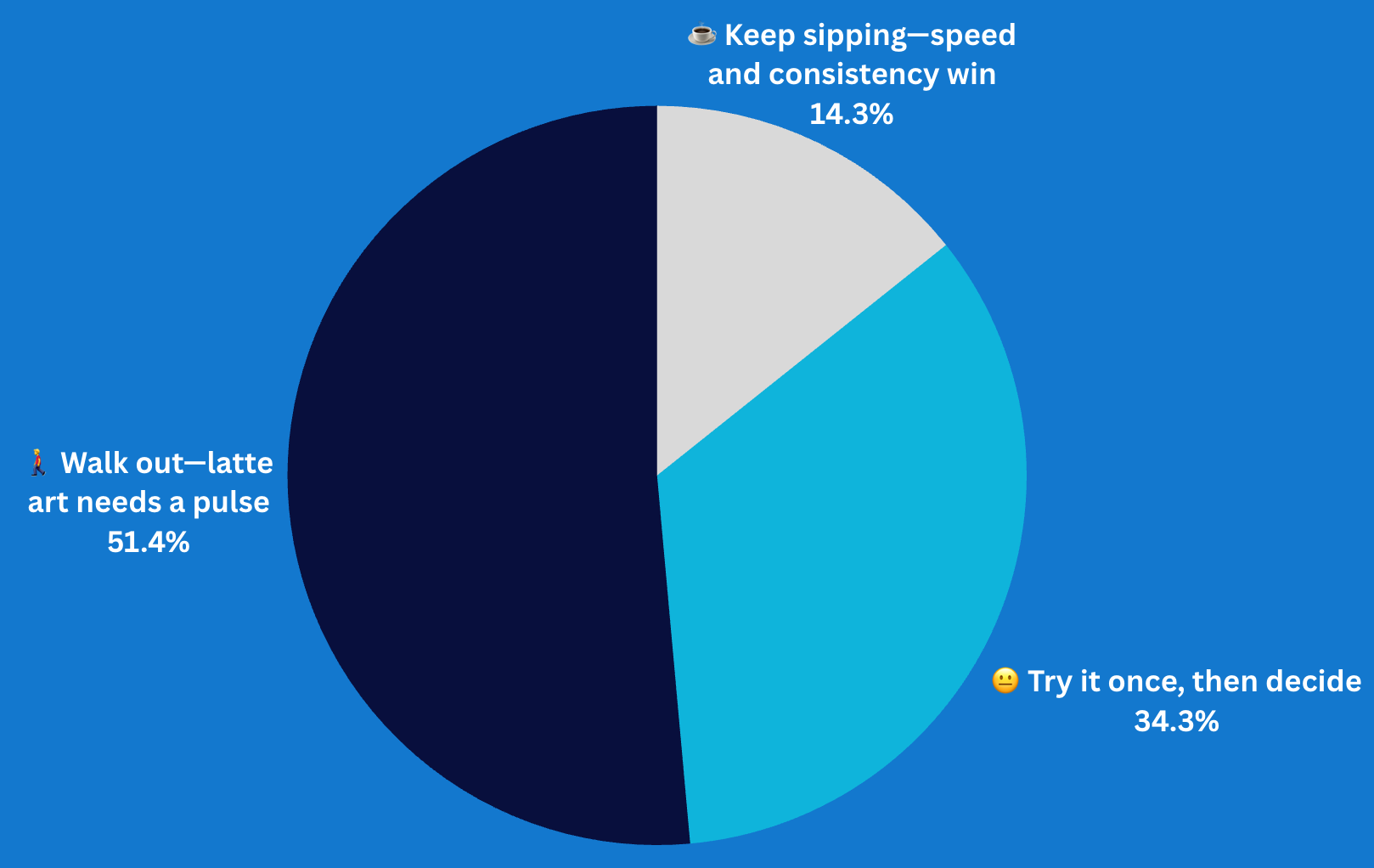
Results from Yesterday's Pulse Check |
If your favorite coffee shop replaced baristas with robots, you would... |
|
|
Altman Dismisses AI Water Usage Claims |
The AI water debate continues.
OpenAI CEO Sam Altman is pushing back on viral claims that ChatGPT consumes massive amounts of water per query, calling the figures "totally insane" and disconnected from reality. |
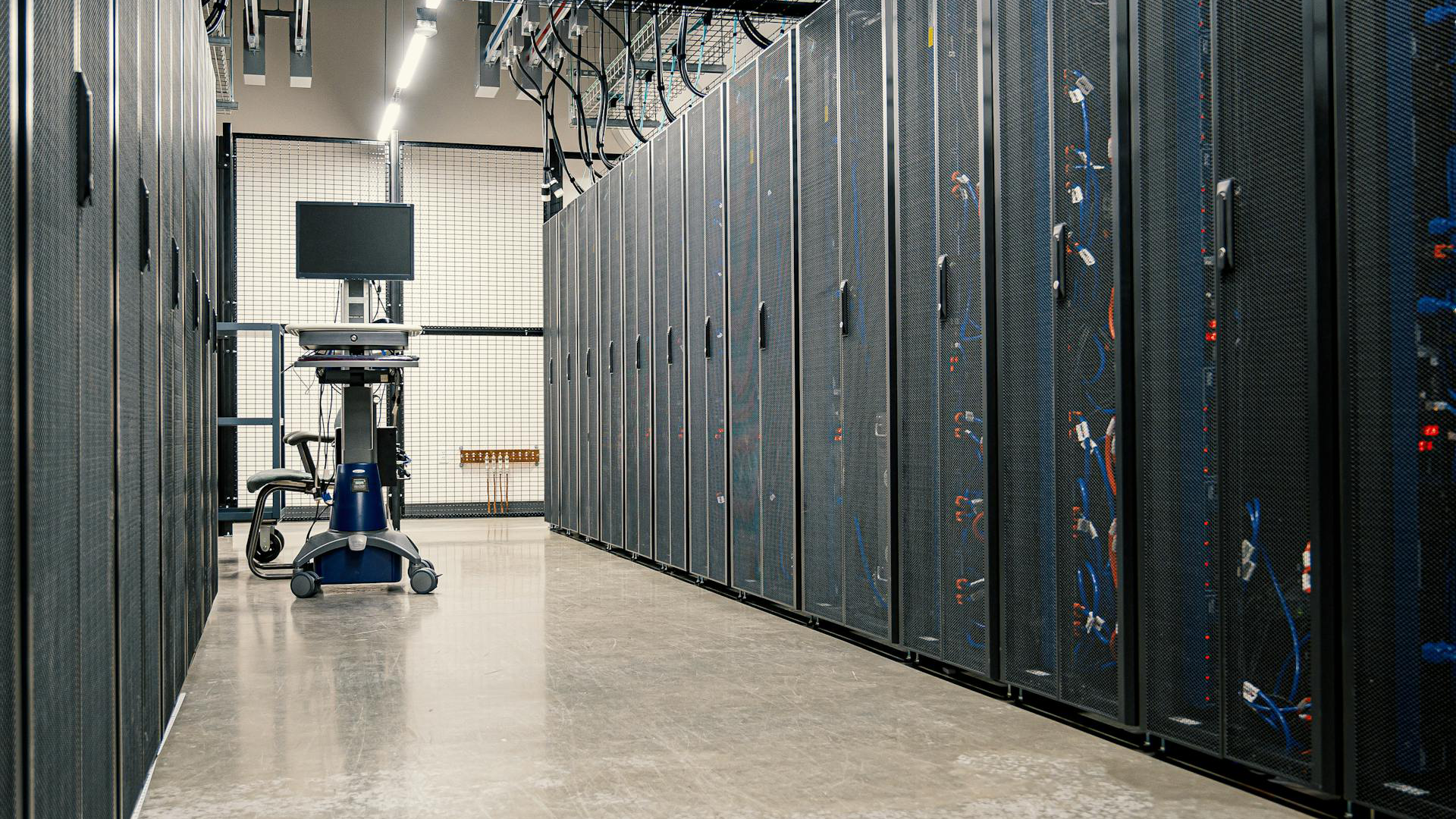
Speaking earlier this week at the India AI Impact Summit in an interview hosted by The Indian Express, Altman said modern data centers have moved away from evaporative cooling approaches that historically relied more heavily on water, even as AI-driven data center buildouts accelerate worldwide.
Still, he conceded the bigger, more credible issue is total energy consumption at scale—not per-query metrics—arguing the world will need to ramp up nuclear, wind, and solar energy alternatives quickly as AI usage continues to rise.
But then things got weird. Defending AI's ravenous electricity appetite, Altman argued it's unfair to ignore the energy required to "train a human," pointing out that people require 20 years of food and resources "before you get smart." Yes, he actually compared the energy costs of human childhood to a server farm.
The debate signals intensifying scrutiny around AI sustainability, from regulators to local communities evaluating new data center builds. Expect environmental metrics (and apparently, your grocery bill) to become part of AI procurement conversations. |
|
|
📊 Supercharge Your Data Modeling Talent Search
The Big Data Modeler Hiring Kit delivers salary benchmarks, plug-and-play job specs, and interview prompts so you can snap up a data-architecture mastermind before rivals even finish drafting their listings. 💻 Master Front-End Skills for 92% Off
The 2026 Front-End Developer Course Bundle packs 14 hands-on courses and 109 hours of HTML, CSS, JavaScript, React, Vue, and more for just $39.99, letting you level up web dev skills at a 92% savings. 🛡️ Shield AI With Security Know-How
Learn how to protect your business from AI security risks with TechRepublic's expert guide, How to Safeguard Enterprises From Exploitation of AI Applications, and fortify models, data, and workflows before threats escalate. 💻 This section contains sponsored tech insights. Advertise with us! |
|
|
Modernize the Service Desk, Register Now |
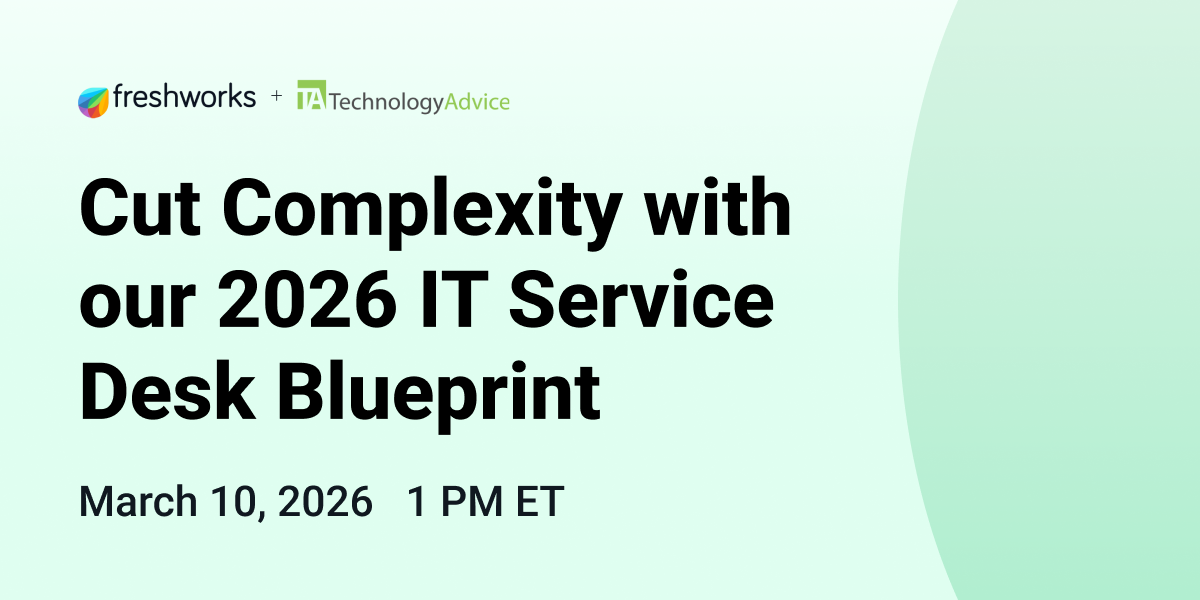
As IT environments grow more complex, the service desk has become critical to maintaining control and visibility.
In Cut Complexity With Our 2026 IT Service Desk Blueprint, happening March 10 at 1:00 p.m. ET, Freshworks will explore how IT teams are simplifying service management while scaling effectively. Learn what modern service desks prioritize, how teams reduce friction, and how to prepare for 2026 with confidence.
|
|
|
Conduent Breach Hits Over 26.6 Million Americans |
Another day, another eight-figure breach.
A ransomware attack on government contractor Conduent has exposed personal data belonging to at least 26.6 million people across multiple US states. While the rest of the news cycle gave up counting at 25 million, Daily Tech Insider did the math with the latest state-by-state data to find the new floor, largely driven by Texas (15,494,592) and Oregon (10,515,849).
Other states with tallies of affected residents include Delaware (3,652), Indiana (at least 5,892), Iowa (643), Maine (at least 374), Massachusetts (85), Montana (358,620), New Hampshire (at least 169,629), South Carolina (33,927), and Washington (87,975). California, New Mexico, and Wisconsin are among the states that have issued notices without a head count.
|
The company supports benefit programs, unemployment systems, and payment processing for state agencies and major employers, meaning names, Social Security numbers, health insurance details, and medical data are definitely in play. While Conduent has disclosed few technical details, we know the SafePay ransomware group looted 8 terabytes of data between October 2024 and January 2025, in what the Texas Attorney General calls potentially the largest breach in US history.
Reassess third-party contractors for MFA enforcement and breach notification transparency, especially those handling regulated data. |
Cloaking Service Fuels Stealthy Malicious Google Ads |
Varonis researchers have uncovered 1Campaign, a cybercrime platform developed by a hacker amusingly named "DuppyMeister" that helps threat actors run malicious Google Ads while evading detection by security scanners and Google's own reviewers.
The service uses cloaking to pass Google's screening, serving benign blank pages to bots and security firms while redirecting unlucky real users to phishing kits and crypto drainers. It filters traffic by geography, ISP, device traits, and fraud scores, blocking over 99% of visitors just to avoid scrutiny.
As you browse this week, be wary of "Sponsored" Google results and verify full URLs in the address bar to stay protected against these cloaked malicious attacks. |
OpenAI Courts Consulting Giants to Scale Enterprise AI |
Because nothing says "disruptive tech revolution" quite like hiring an army of billable consultants. Earlier this week, OpenAI inked "Frontier Alliances" with McKinsey, BCG, Accenture, and Capgemini to accelerate enterprise AI deployments and agent rollouts.
The partnerships pair OpenAI's Frontier intelligence layer and Forward Deployed Engineers with the consultancies' industry reach, embedding agentic AI (not just standard GPT chatbots) directly into large-scale transformation programs. |
The labor is cleverly divided: McKinsey and BCG are peddling the high-level strategy and operating model redesigns, while Accenture and Capgemini are tasked with the actual technical heavy lifting and systems integration.
Enterprise customers already account for roughly 40% of OpenAI's revenue, a figure expected to climb as rivals like Anthropic and Google push deeper into sector-specific AI offerings. The move also signals how critical partners have become in delivering implementation at scale. Turns out, you can't just drop an LLM into a legacy Fortune 500 data silo and wish it luck.
For CIOs and CISOs, this shifts AI adoption from being scattershot experimental tools to board-level strategy, routed through trusted advisory firms. Expect competition to heat up as AI model choices become embedded in multiyear transformation programs rather than one-off tooling decisions. Get ready for your new "AI coworkers" to come with a very traditional consulting retainer. |
|
|
|
Senior Staff Writer at TechnologyAdvice |
Luis Millares is a seasoned tech writer with broad experience reviewing consumer gadgets and enterprise software, offering clear, reliable insights across the latest in technology. |
|
|
Curious about where AI is really headed? |
The Neuron cuts through the noise to bring you smart, hype-free takes on the latest AI trends, tools, and breakthroughs. Join 500,000+ professionals from top companies like Microsoft, Apple, Salesforce and more.
|
|
|
Advertise in Daily Tech Insider! Daily Tech Insider is a TechnologyAdvice business.
© 2026 TechnologyAdvice, LLC. All rights reserved. TechnologyAdvice, 3343 Perimeter Hill Dr., Suite 215, Nashville, TN 37211, USA. |
|
|
|