Launch sequence start, Tech Insiders.
Space-grade GPUs are headed for orbit, Safari just got a stealth patch beamed down overnight, and Gemini wants a window seat in your data capsule. Suit up; the countdown to liftoff begins below. |
|
|
Here's what you need to know today: |
|
|
Google's Gemini Gets Personal |
It's like Google finally read your mind (after asking for permission, of course). Google just flung open the Personal Intelligence gates to most US users on the free tier (as long as you're 18+ and using a personal account; sorry, business and student Workspace users).
Personal Intelligence is woven into AI Mode in Search, the Gemini app, and Gemini in Chrome.
Opt-in links let you hand-pick which Google apps, such as Gmail, Photos, YouTube, and Search services like Maps, can whisper context into Gemini's ear. So it can recommend restaurants near your layover gate, surface the exact tire size from a photo of your minivan, or pair that new bag with the gold shoes you impulse-bought last week.
|
Google swears it's privacy-first. Connections are off by default, data is encrypted in transit and at rest, and Gemini "doesn't train directly" on your inbox or photo library. Instead, if your "Keep Activity" setting is turned on, it trains on the prompts and responses it generates, plus lightweight summaries and excerpts (which, yes, means human reviewers might occasionally read an anonymized snippet of your life).
Users can yank any connected app at any time, and Google admits the system can still over-personalize, mix up timelines, or confuse your taste with your sibling's.
Still, by bundling years of personal data into a single AI brain, Google hopes to leapfrog Siri and Copilot with an assistant that feels tailor-made while reminding us that convenience and creepiness are forever frenemies.
Why it matters: If Gemini nails this, everyday chores—shopping, planning, troubleshooting—get radically easier, saving you time (and maybe money). But the payoff depends on how much data you're willing to share, and whether Google can keep your digital diary both secure and actually accurate. |
|
|
Which trade-off worries you most about personalized AI? |
|
|
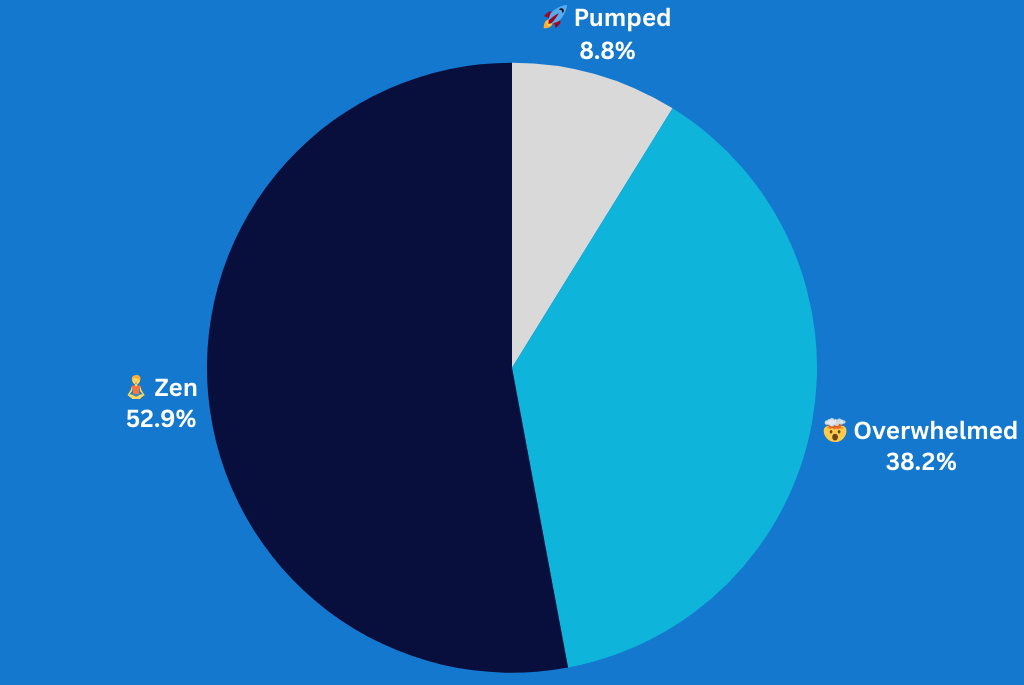
Results from Yesterday's Pulse Check |
How do you feel when you hear "one-million-fold compute growth"? |
|
|
Nvidia's Token Factory Vision Reshapes AI Economics |
Forget crypto; Jensen Huang just pitched tokens you can't trade but absolutely have to spend.
Nvidia's leather-jacketed boss used GTC 2026 to flip the AI script from "train bigger models" to "manufacture more tokens."
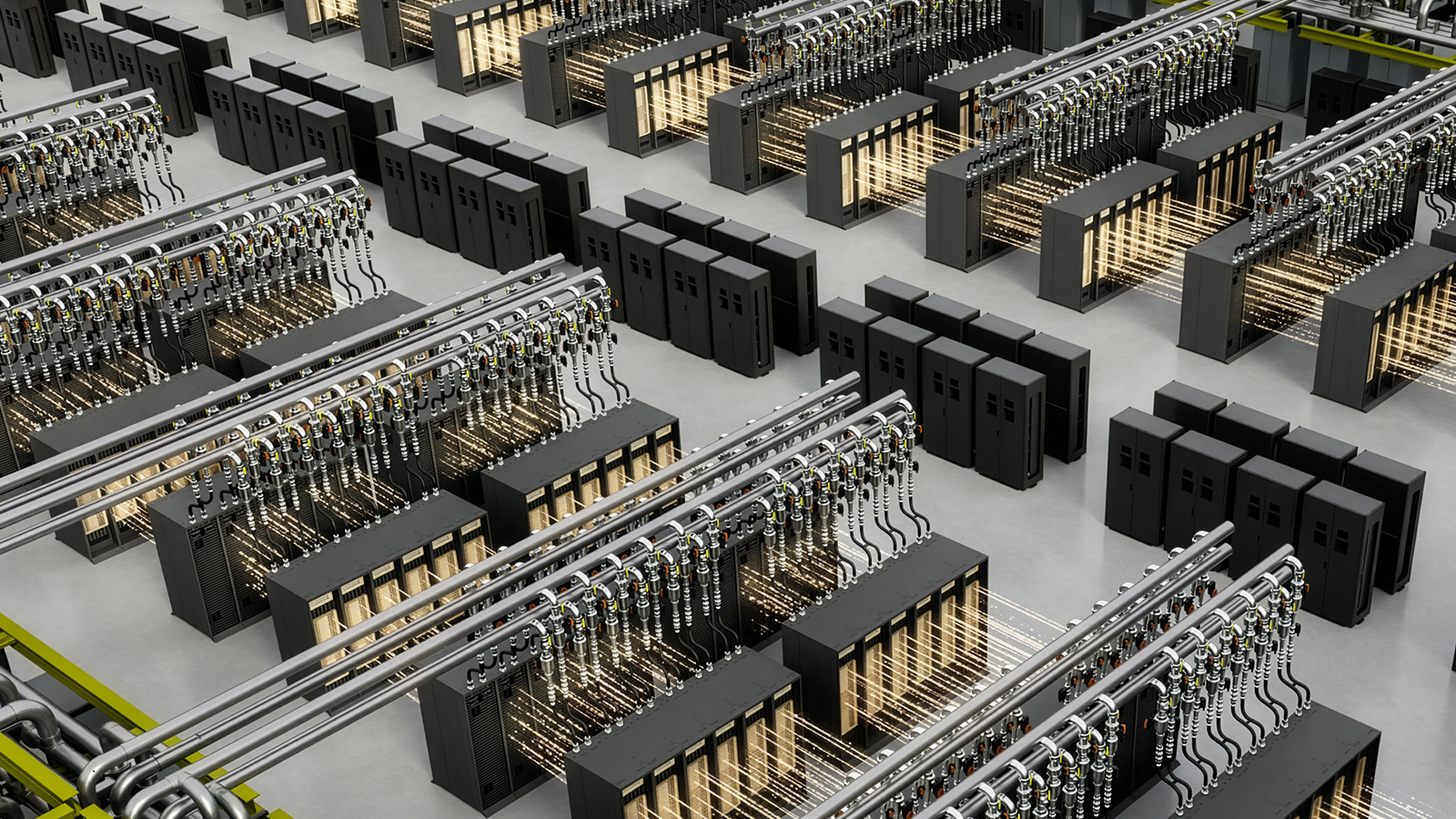
In a press Q&A, Huang argued that inference, AI's day-to-day reasoning, will dwarf training as agents run 24/7, pumping out tokens like widgets on an assembly line. He framed the data center as an "AI factory," telling the press that Blackwell- and Rubin-powered systems alone could ring up $1 trillion in sales by 2027 (which we talked about a bit in yesterday's DTI), with every engineer soon granted an annual token budget.
|
That worldview dovetails with a flurry of infrastructure moves built to handle a 1,000,000x leap in computing demand.
Cisco and Nvidia's new Secure AI Factory bundles GPUs, networking, and BlueField DPUs to crank out tokens efficiently, while telecom giants from AT&T to T-Mobile are wiring AI grids at the network edge to slash latency and cost per token. Even cloud pricing is trending toward tokens-per-watt, as Vera Rubin racks pair new Groq 3 LPX accelerators with Rubin GPUs for up to 35× more throughput.
The big bet? If autonomous agents become the new software layer—and every query burns tokens—whoever controls the full stack wins. Nvidia aims to be that stack. It's locking down the "next ChatGPT" by wrapping the open-source OpenClaw framework in enterprise-grade OpenShell security to create NemoClaw, and using Cosmos 3 models to train robots in virtual worlds.
So yes, your future bonus might be paid in company scrip... and the vending machine will happily accept tokens. |
|
|
📊 See 7 Trends Steering Enterprise AI in 2026 The AI Adoption Trends in the Enterprise 2026 report reveals seven must-watch shifts—and the hurdles behind them—to help you scale pilots, secure talent, and outpace slower competitors.
🚀 Compare the Best Project Management Software
A quick rundown of the Best Project Management Software lets you test-drive monday, Wrike, Smartsheet, and more—so your Gantt charts look genius before Q1 crunch time.
☁️ Master Cloud Skills—83% Off
The 2026 Cloud Computing Course Bundle (CompTIA and AWS) plunges from $180 to less than $30. Score lifetime Cloud+, Azure and AWS security, and Spring Cloud microservices training in one shot. 💻 This section contains sponsored tech insights. Advertise with us! |
|
|
Is Your Epic Infrastructure Future-Ready? |
Healthcare leaders are reassessing Epic infrastructure as cloud capabilities mature. The challenge is balancing modernization with resilience and compliance.
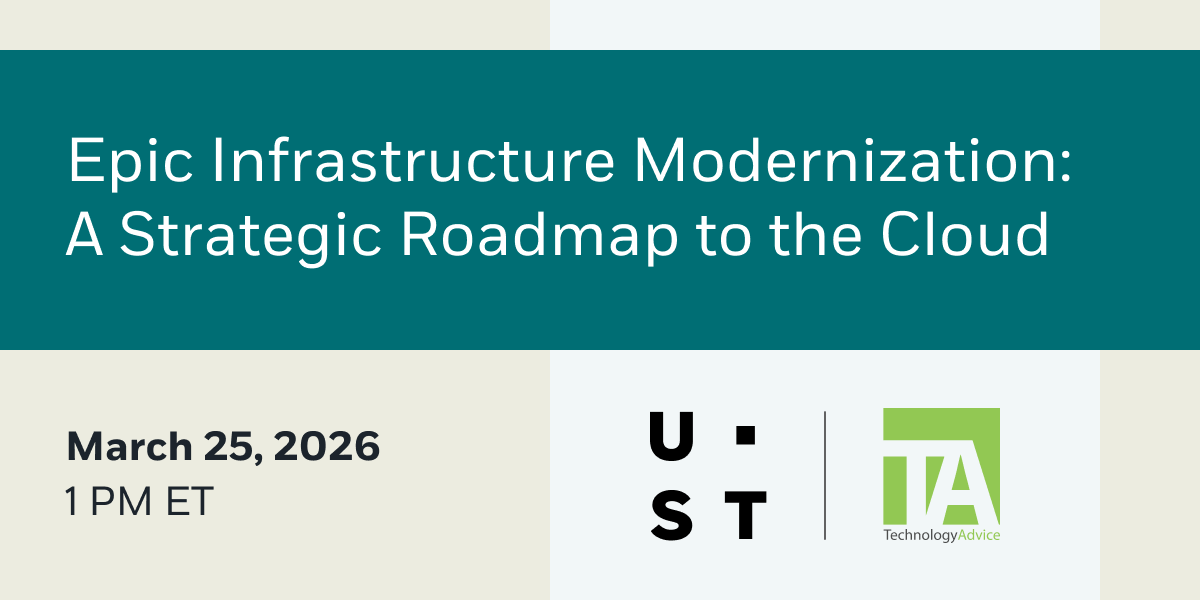
Join TechnologyAdvice and UST on March 25, 2026, at 1:00 p.m. ET for Epic Infrastructure Modernization: A Strategic Roadmap to the Cloud. This session outlines a practical road map for isolated recovery environments, disaster recovery, and enterprise-scale Epic on cloud.
Evaluate your infrastructure strategy before your next major investment decision. |
|
|
DarkSword Exploit: iPhones Hijacked in Seconds |
The "hit-and-run" DarkSword exploit chain is currently emptying iPhones running iOS 18.4 through 18.7—found just weeks after Coruna, a similar toolkit, hit the wild. By simply loading a compromised webpage, victims lose messages, photos, and crypto wallets in minutes.
Google and Lookout linked the surge to Russian spies (UNC6353) and commercial vendors using the tool in watering-hole attacks from Ukraine to Malaysia. The kicker? The hackers carelessly left the fully commented code open on infected sites for anyone to clone.
|
Apple patched the six flaws, including two zero-days, over the last few weeks, but 25% of users remain exposed. Update to at least iOS 26.3 if your device supports it, or at least 18.7.3 immediately.
If you're high-risk, enable Lockdown Mode, reboot daily to flush fileless memory implants, and move crypto seeds off-device. |
Apple's First Background Fix Silently Patches Safari Bug |
Apple is now shipping Background Security Improvements (BSIs), bite-sized updates that slip in between full device releases.
Tuesday's debut BSI—labeled iOS 26.3.1 (a), iPadOS 26.3.1 (a), and macOS 26.3.1/26.3.2 (a)—closes CVE-2026-20643, a WebKit flaw that lets a malicious site read data from other open tabs.
BSIs download automatically and install after a quick reboot. To lock down your data, go to Settings ▸ Privacy & Security ▸ Background Security Improvements and keep "Automatically Install" toggled on. Otherwise, install it manually from there or wait for the next standard update.
Patch break something? Tap the ⓘ icon to remove it and roll back. |
Nvidia Aims GPUs at Orbiting AI Data Centers |
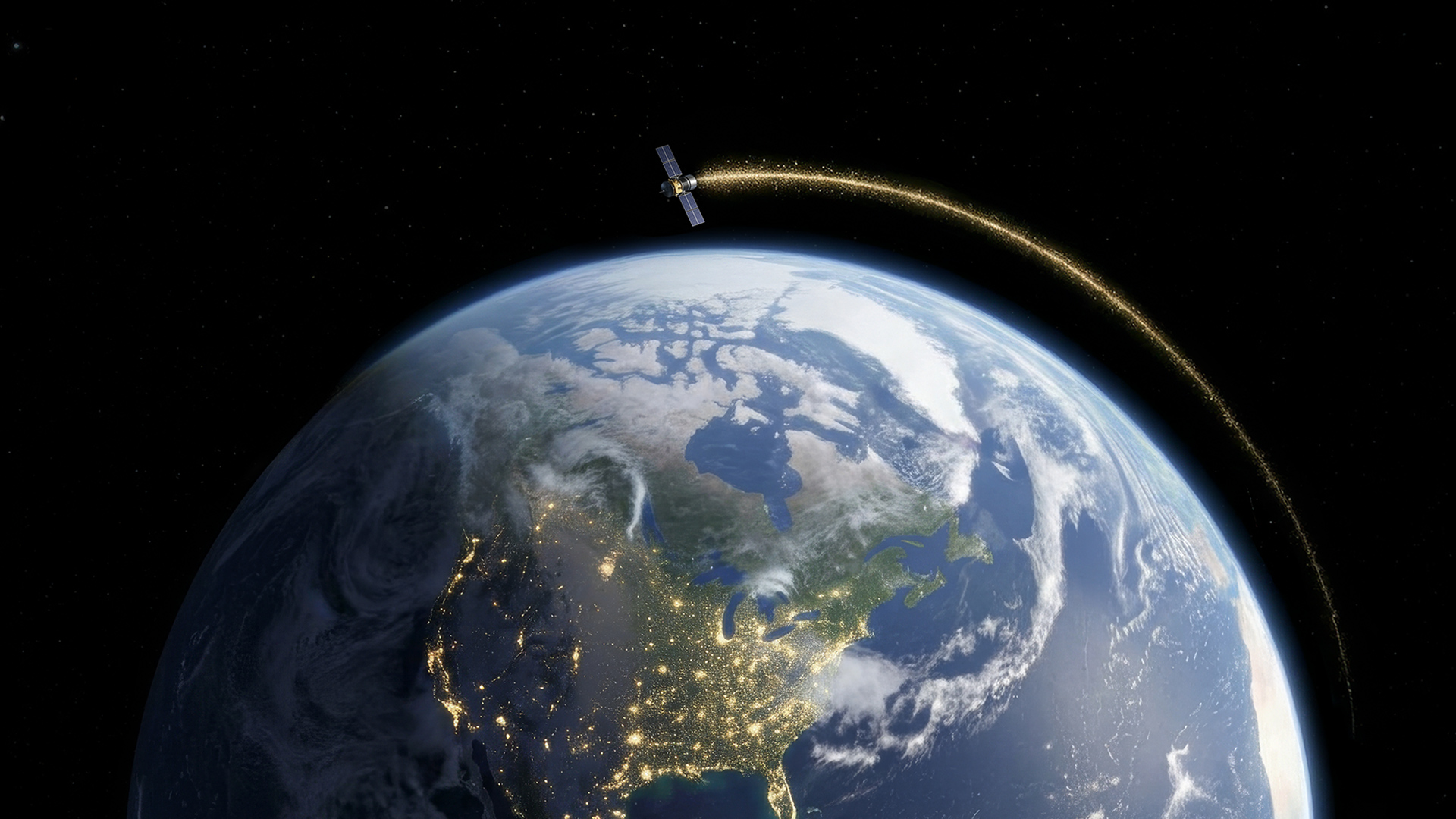
During Nvidia's GTC 2026 this week, CEO Jensen Huang announced the Space-1 Vera Rubin Module alongside IGX Thor and Jetson Orin platforms—rugged, low-power systems built to survive radiation, vacuum, and the ultimate lack of server-room HVAC.
Rubin's GPU promises up to 25× the inference throughput of the 2022-era H100, giving satellites enough muscle to run large models on raw imagery before it ever beams home.
Partners such as Starcloud, Planet Labs, Axiom Space, Kepler Communications, Sophia Space, and Aetherflux plan to slot the hardware into space missions and forthcoming orbital data-center constellations. |
Why ship compute to space? Unlimited solar power, reduced downlink costs, and near-real-time geospatial insights (at least in theory).
Huang conceded that launch prices, shielding, and "no-convection" cooling still make economics tricky, but predicted rapid improvement as rocket costs fall. But this isn't just sci-fi: Starcloud already successfully launched and tested an H100 on a test satellite last November.
Rivals aren't waiting: Google's Project Suncatcher, SpaceX/xAI (which recently asked the FCC to launch a casual one million satellites), Blue Origin, and others are sketching their own orbital bit barns. Starcloud alone has filed for 88,000 of its own. They are laying the groundwork for an off-planet cloud where GPUs circle the globe instead of taking up terrestrial real estate.
"Please contact support if your server drifts out of orbit." |
|
|
|
Writer at TechnologyAdvice |
Justin Meyers is an investigative writer and editor who draws on over a decade of meticulous hands-on research to deliver the full, trustworthy story behind consumer and enterprise tech, including cybersecurity. |
|
|
Curious about where AI is really headed? |
The Neuron cuts through the noise to bring you smart, hype-free takes on the latest AI trends, tools, and breakthroughs. Join 500,000+ professionals from top companies like Microsoft, Apple, Salesforce and more.
|
|
|
Advertise in Daily Tech Insider! Daily Tech Insider is a TechnologyAdvice business.
© 2026 TechnologyAdvice, LLC. All rights reserved. TechnologyAdvice, 3343 Perimeter Hill Dr., Suite 215, Nashville, TN 37211, USA. |
|
|
|