Game time, Tech Insiders.
AI rivals are swapping your chat memories like baseball cards while hardware giants throw cash to keep their MVPs from defecting. And security patches and surprise outages prove the season's far from over. Step up to the plate; here's today's lineup. |
|
|
Here's what you need to know today: |
|
|
Google Gemini Rolls Out Easy Import Tools |
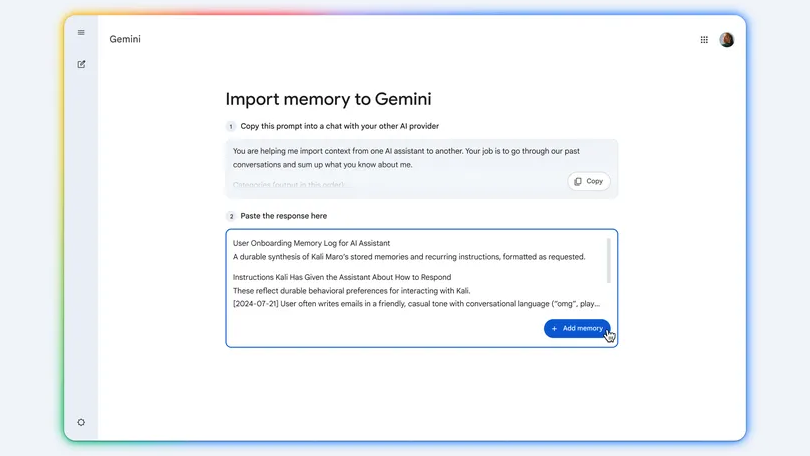
Stuck lugging digital baggage between chatbots? Google just rolled up with the bellhop. In case you missed it, Google's new "switching tools" let you paste a one-shot Memory Import prompt so Gemini immediately writes in your voice instead of asking who you are.
You can also upload up to 5 GB of zipped chat history to save your old conversations. The feature lives in Settings for free and paid consumer accounts. Also, the old past "Chats" pane will be rebranded to simply "Memory" over the next few weeks.
To import memory: Grab Gemini's prompt in Settings, feed it to your old AI, and paste the resulting summary back into Gemini.
Just keep your expectations grounded with chat histories; they act more like a searchable reference library than active context. You can continue old threads, but you'll still need to prompt Gemini to "spark" its memory if you want it to reference them in new chats. |
- ChatGPT: Settings → Data controls → Export data
- Claude: Settings → Privacy → Export data
|
Uploads bring prompts and responses, but not project files, attachments, or AI-generated images. The rollout skips the UK, Switzerland, the wider EEA, and anyone on business, enterprise, school, or supervised Google accounts, so workplaces may need to sit tight.
With ChatGPT boasting 900 million weekly users, Google is banking on painless onboarding (and the latest Gemini 3.1 voice upgrade) to finally poach the AI-loyal.
Why it matters: Data-portability wars are heating up. If Google makes switching friction-free, your "AI loyalty" could flip as fast as your next export-import cycle. |
|
|
How many different chatbots do you actively use each week? |
|
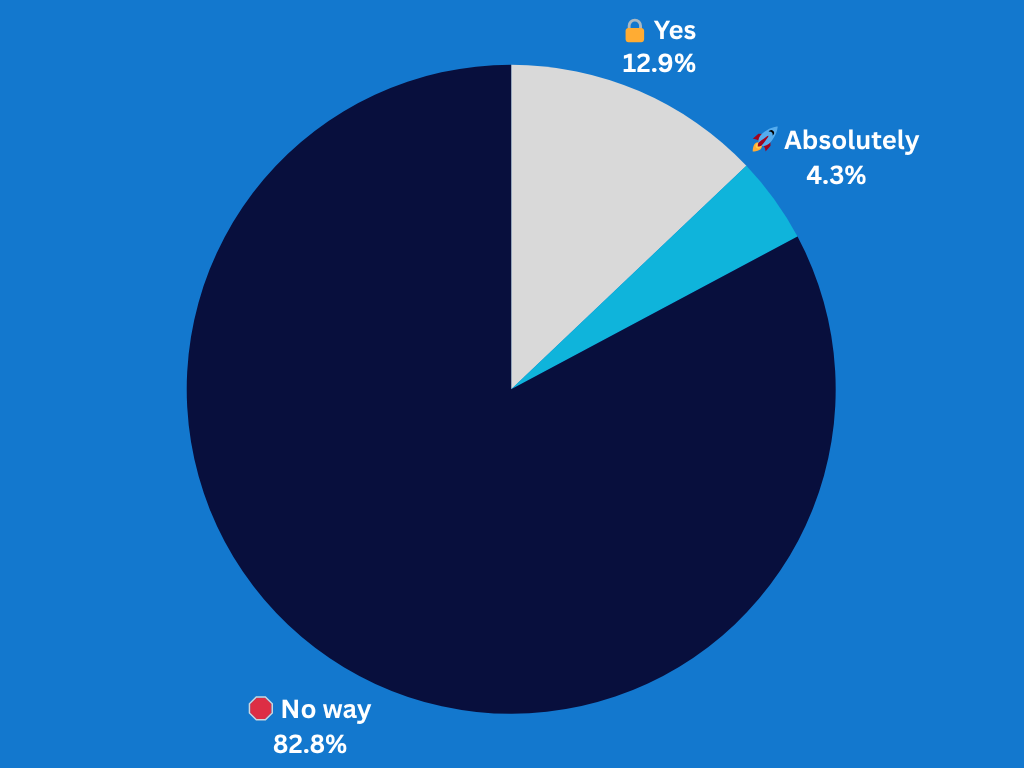
| Results from Yesterday's Pulse Check |
Should Anthropic release Claude Mythos broadly this year? |
|
|
Apple Pays Up to Keep iPhone Designers From OpenAI |
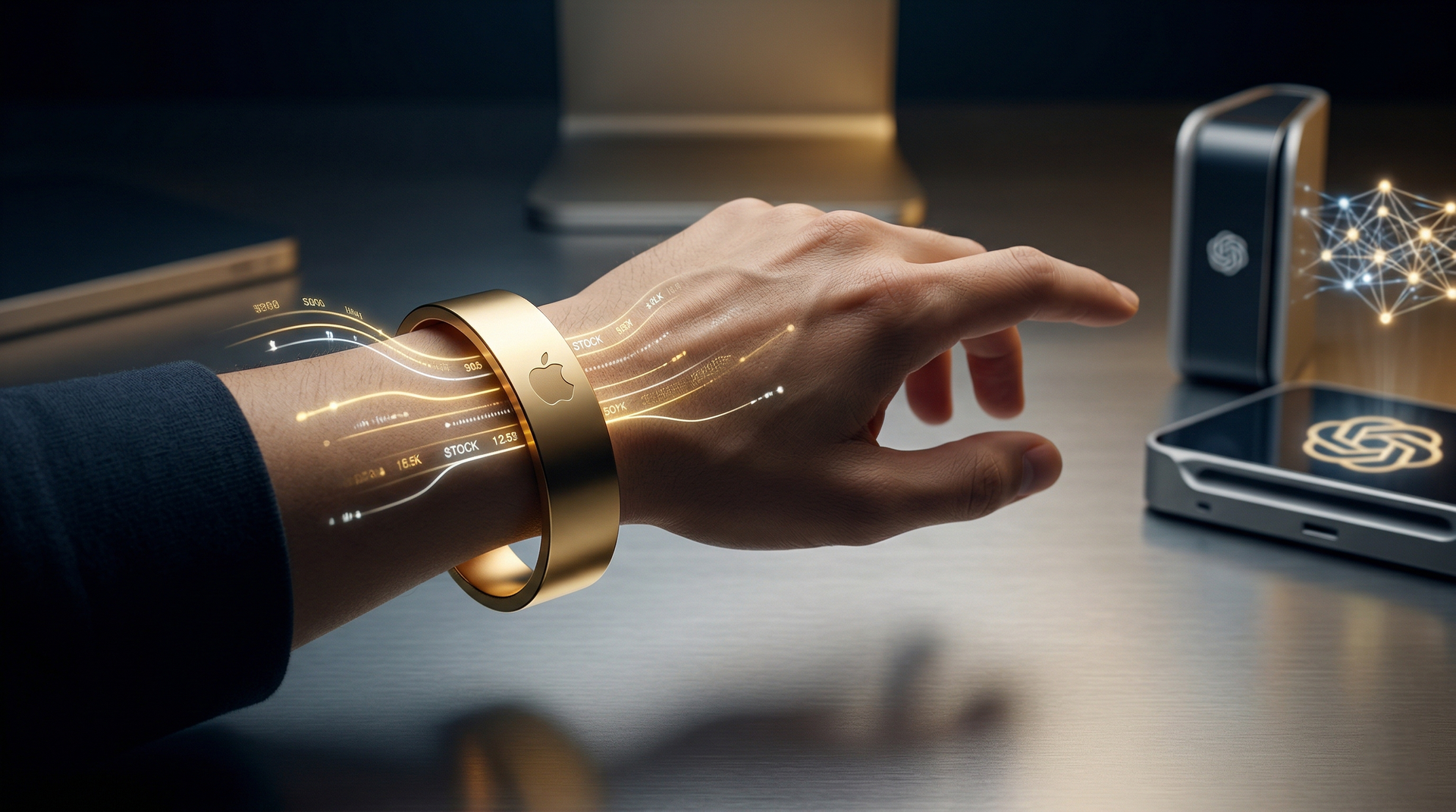
Apple is shelling out rare, out-of-cycle six-figure stock bonuses to its iPhone Product Design squad to plug a widening brain drain toward deep-pocketed AI ventures.
According to Bloomberg, designers are receiving restricted stock units worth $200K–$400K that vest over four years—budget-friendly golden handcuffs timed precisely as OpenAI and fresh-funded upstarts like Hark dangle offers reportedly topping $1 million a year in stock. |
Image created with Nano Banana Pro |
The poaching threat is personal. OpenAI's hardware push is run by ex-Apple VP Tang Tan alongside design legend Jony Ive (whose startup, io Products, OpenAI acquired). It has already hired dozens of Apple engineers from iPhone to Vision Pro projects. Hark, launched by Figure AI's Brett Adcock, just grabbed iPhone Air designer Abidur Chowdhury, plus two product design engineers.
Apple has used emergency retention pay before, but the timing underscores how fast the device market is pivoting to AI wearables (smart glasses, camera AirPods, even a Siri pendant) that could sideline the iPhone itself. Cash may buy time, but with its 50th anniversary looming next month, Cupertino still needs a killer comeback.
Your move, OpenAI. Hope you kept the receipt. |
|
|
📇 Secure, Simplify, and Centralize Your HR Data BambooHR—an employee database that's easy to manage, use, and secure.
🤖 Fast-Track Your AI Analyst Hunt
The AI Analyst Hiring Kit helps you find and hire top AI analysts with a complete recruiting package filled with salary benchmarks, turnkey job specs, and precision interview prompts. 📧 Compare Top Email Marketing Platforms Now
Dive into the Best Email Marketing Software and find the tool that lifts open rates without lifting your budget.
💻 This section contains sponsored tech insights. Advertise with us! |
|
|
AI is evolving fast, and building efficiently and effectively is key for startups. Google Cloud just updated the Startup technical guide: AI agents. This guide offers an easy, step-by-step process to help you move from idea to production-ready AI, bringing you up to speed on essential concepts.
🛠️ Ready to build your AI agents? Get the guide! |
|
|
MacOS Blocks Sneaky Terminal Paste Malware |
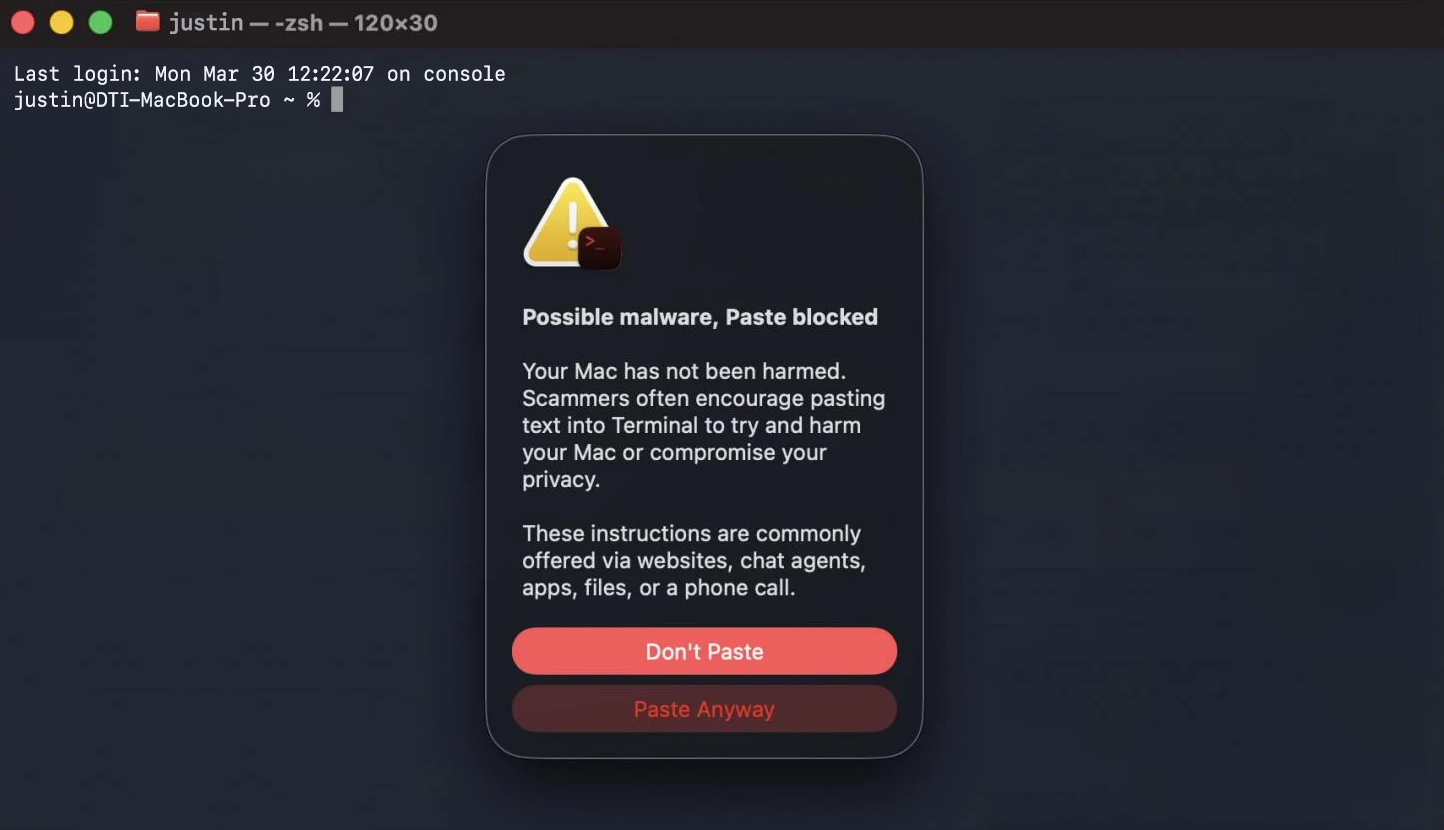
Apple's macOS Tahoe 26.4 quietly arms Terminal with a tripwire: paste a shady command copied from Safari or another app, and the system flashes a "Possible malware, Paste blocked" banner, halting execution on the spot.
The safeguard targets ClickFix scams that coax users—especially fresh MacBook Neo owners—into "fixing" issues by pasting commands that actually fetch infostealers. |
The alert evaluates the command's risk and usually appears only once per session, still letting power users tap "Paste Anyway," but crooks lose their one-click detonation.
To stay safe, update to 26.4, slow down, never copy-paste code you don't fully understand, type commands manually when feasible, and keep real-time antimalware active. Pro tip: If a random site says to run sudo rm -rf /, just close the tab; no Terminal can undo self-destruct mode. |
ChatGPT and Codex Flaws Quietly Leaked Data |
OpenAI fixed a stealthy ChatGPT bug on Feb. 20 that let a malicious prompt siphon chat history and files through covert DNS lookups, turning the code-execution sandbox into a tunnel, per Check Point Research. Meanwhile, a Codex flaw exposing GitHub tokens was patched on Feb. 5, according to BeyondTrust.
While patched, these are good examples of why things like this will always happen. With outbound web traffic blocked but DNS lookups allowed, the exploit dodged guardrails. Companies should log unusual DNS spikes, sandbox GPTs, and treat AI runtimes like any internet-facing service, because the next "prompt-to-pwn" proof of concept is already in someone's clipboard. |
DeepSeek's 7-Hour Snooze Rattles 355 Million Users |
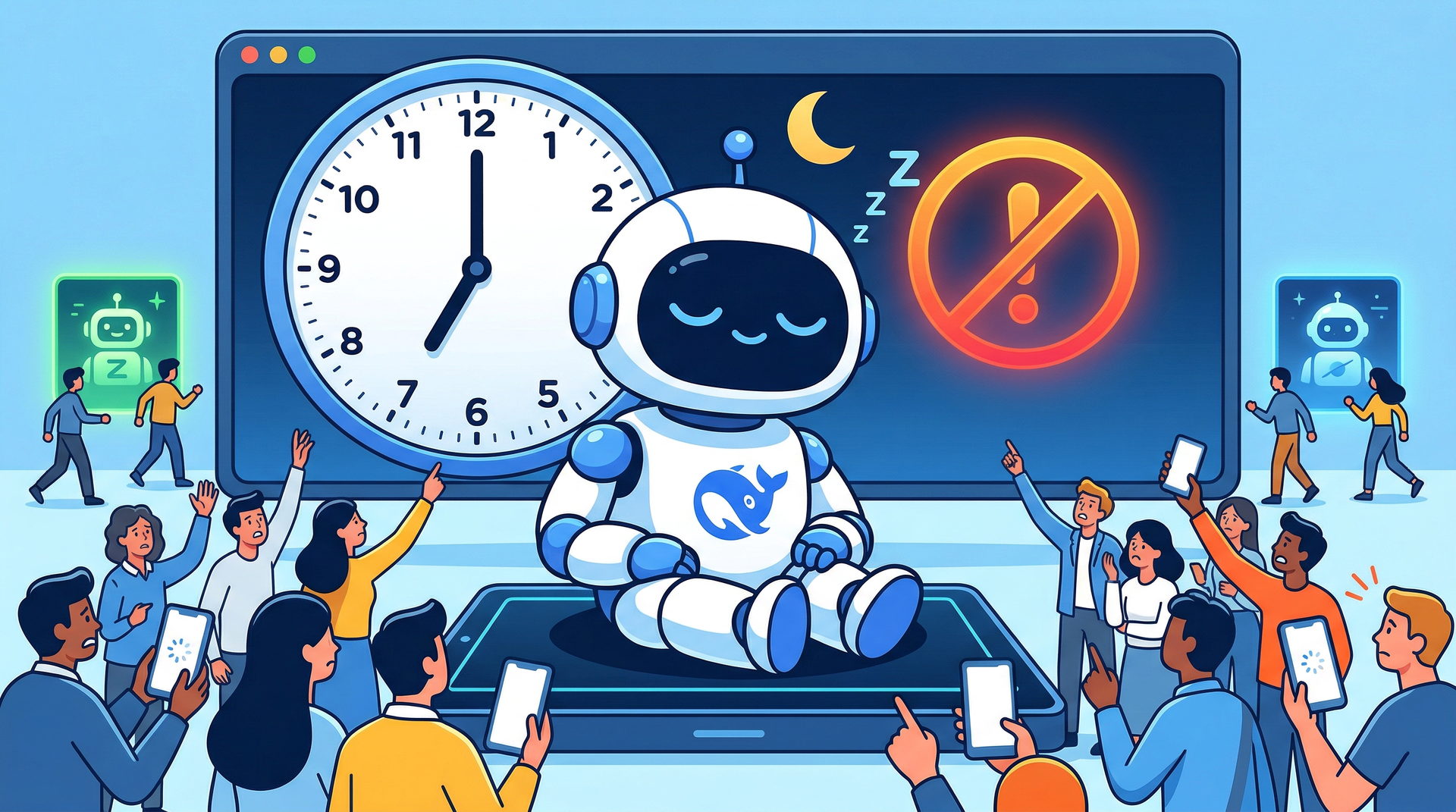
China's top ChatGPT rival, DeepSeek, went dark for more than 7 hours early Monday, its longest blackout for its consumer chatbot since the startup's breakout year in 2025.
The outage froze both its consumer interface and developer API, sending millions to social media for help—and to competitors like Zhipu and Moonshot for emergency prompts. |
Image created with Nano Banana Pro |
Status logs show DeepSeek engineers wrestling with "performance anomalies" well into Monday morning before declaring the fix complete at 10:33 a.m. Beijing time. While DeepSeek offered no cause, analysts point to everything from rushed code pushes to capacity strain ahead of the long-teased V4 multimodal model, which is reportedly being trained on domestic Huawei chips.
The timing hurts: the service now boasts 355 million monthly users and powers countless automations inside Chinese and global firms. For enterprises treating generative AI as mission-critical, the incident is a reminder to build failovers. Keep alternate models on standby, export prompt chains regularly, and monitor vendor status feeds with the same urgency as cloud uptime dashboards. Developers using the DeepSeek API, which already suffered full-day outages back in January 2025, should add circuit-breaker logic and graceful degradation paths to avoid cascading failures the next time a chatbot naps. |
|
|
|
Writer at TechnologyAdvice |
Justin Meyers is an investigative writer and editor who draws on over a decade of meticulous hands-on research to deliver the full, trustworthy story behind consumer and enterprise tech, including cybersecurity. |
|
|
Curious about where AI is really headed? |
The Neuron cuts through the noise to bring you smart, hype-free takes on the latest AI trends, tools, and breakthroughs. Join 500,000+ professionals from top companies like Microsoft, Apple, Salesforce and more.
|
|
|
Advertise in Daily Tech Insider! Daily Tech Insider is a TechnologyAdvice business.
© 2026 TechnologyAdvice, LLC. All rights reserved. TechnologyAdvice, 3343 Perimeter Hill Dr., Suite 215, Nashville, TN 37211, USA. |
|
|
|