Mind the blast zone, Tech Insiders.
Glasswing hunts bugs at warp speed, BlueHammer's already loose, and CISA's armor is thinning—all while Anthropic stockpiles silicon warheads. Step behind the yellow tape; the breach briefings start now. |
|
|
Here's what you need to know today: |
|
|
Big Tech Forges 'Project Glasswing' for AI Security |
Other companies form committees, but these folks formed an Avengers sequel. Anthropic's new initiative, Project Glasswing, unites a dozen major organizations—including Apple, Google, Microsoft, AWS, Nvidia, Cisco, CrowdStrike, JPMorgan Chase, Broadcom, Palo Alto Networks, and the Linux Foundation—to scan the planet's most critical code for lurking bugs.
The coalition's secret sauce is Claude Mythos Preview, an unreleased AI model Anthropic says has already unearthed "thousands" of zero-day flaws across every major OS and browser.
To keep white hats ahead of the inevitable black-hat gold rush, Anthropic is front-loading the effort with $4 million in open-source grants and $100 million in Mythos compute credits. Launch partners have begun firing the model at their own stacks and must share findings to harden the wider ecosystem. |
Why the sudden kumbaya? Mythos can allegedly compress months of human vulnerability hunting into minutes, shrinking defenders' reaction time to a tweet-length window.
Anthropic, still locked in a legal tussle with the Pentagon and fresh off ironically leaking its own source code and the existence of Mythos in a CMS data spill last month, argues that slow-rolling a public release is safer than letting the genie strut straight onto hacker forums.
Why it matters: If Mythos lives up to the hype, yesterday's exploit timelines vanish, forcing enterprises to patch at warp speed or risk mass, machine-scale breaches. It's either the dawn of AI-augmented defense or the industry's loudest admission that legacy security playbooks just expired. |
|
|
AI zero-day bloodhound: hero or hazard? |
|
|
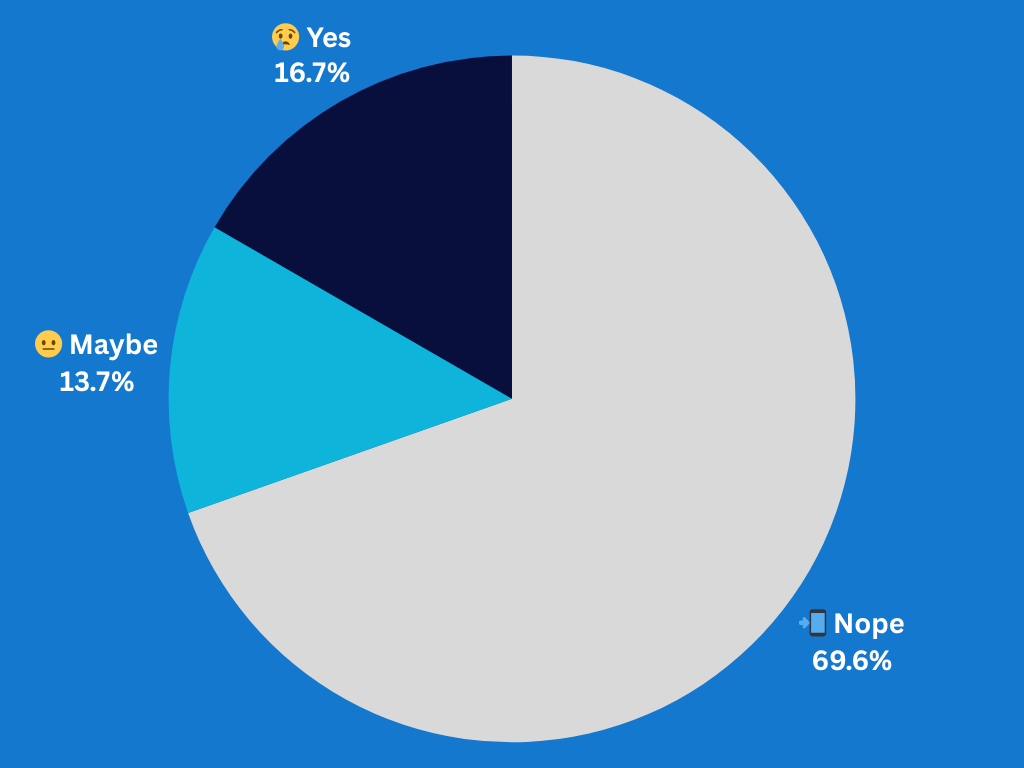
Results from Yesterday's Pulse Check |
Will you miss Samsung Messages? |
|
|
OpenAI's New Deal for the AI Era |
"Robot taxes?"—because even Terminators should chip in.
On Monday, OpenAI fired off a 13-page policy flare titled "Industrial Policy for the Intelligence Age," arguing that superintelligent AI will upend jobs, taxes, and public systems faster than incremental tweaks can keep up. With CEO Sam Altman actively warning of imminent cyber and biological threats, the company proposes shifting the tax base from wages to capital and "automated labor" so Social Security and Medicaid aren't starved if payrolls shrink.
OpenAI also floats a public wealth fund seeded by AI profits, paying every American a slice of the upside. |
Image created with ChatGPT |
To translate productivity into people-friendly gains, OpenAI urges pilots of a 32-hour workweek at full pay, plus "efficiency dividends" like bigger retirement matches and subsidized childcare. Portable benefits would follow workers across gigs, while automatic safety-net triggers would expand unemployment insurance and cash aid when AI layoffs spike.
The blueprint doesn't stop at wallets: it calls for rapid grid expansion (conveniently subsidized by public partnerships) to power data centers, an "AI trust stack" for auditing models, and containment playbooks for rogue systems.
Framed as a conversation starter, the paper lands as Congress readies AI legislation and the 2026 midterms loom—a strategic, bipartisan play putting OpenAI in the spotlight as both architect and beneficiary of the coming AI economy. So yes, the lab that makes the bots also wants to tax them. Talk about hedging your algorithmic bets. |
|
|
📅 File Taxes Early With Guided Software
April 15 is fast approaching, and for many people, that means it's time to think seriously about filing taxes. TurboTax is a widely used tax preparation platform designed to help individuals and businesses complete their returns through guided, software-driven workflows. 📊 Unlock Data Clarity With Top BI Picks
The Best Business Intelligence Software of 2026 compares leading platforms side by side so you can choose analytics tools that turn raw numbers into boardroom-ready insights.
💻 Score a Refurb MacBook Air for Pennies
Apple MacBook Air (2017) 13" i5 Silver (Refurbished) with 1.8 GHz processor, 8 GB RAM, and a 128 GB SSD delivers 12-hour battery life and impressive speed for about $200—79% off the original price. 💻 This section contains sponsored tech insights. Advertise with us! |
|
|
Last Chance to Prepare for What Comes After Migration |
On April 9, 2026, at 11:00 AM ET, Rewind will outline how to secure SaaS data, validate recovery workflows, and meet audit standards before issues arise. Resilience should be engineered, not assumed. |
|
|
BlueHammer Zero-Day Gives Hackers System Powers (Mostly) |
A disgruntled researcher going by "Chaotic Eclipse" has publicly dropped the full exploit code for a Windows zero-day dubbed BlueHammer, after a spat with Microsoft's Security Response Center. There is no patch, elevating the flaw to true zero-day status. |
Image created with ChatGPT |
BlueHammer chains a time-of-check-to-time-of-use race with path confusion in Defender's signature-update process, leaking the SAM database. It then temporarily overwrites local admin passwords and lets an attacker with a foothold pop a SYSTEM-level shell—or just elevated admin on Windows Server.
Thankfully, testers note the proof of concept only fires sporadically.
Until Microsoft issues a fix, monitor Defender directories for reparse points or symbolic links, watch for SAM copies in %TEMP%, disable unused local admin accounts, and lean on endpoint detection and response (EDR) platforms.
Friendly reminder: Any file named FunnyApp.exe probably isn't here to amuse you. |
Trump Targets CISA Budget With Deep 2027 Cuts |
President Trump's FY 2027 blueprint yanks $707 million from the Cybersecurity and Infrastructure Security Agency (CISA), scrapping stakeholder engagement, "misinformation," election security, and school safety programs to "refocus" on federal network defense.
The cut sits within a larger DHS overhaul that slashes nearly 870 jobs and awaits Capitol Hill's red pen. Without CISA's broad sensor network, hospitals, utilities, and SaaS vendors could get slower warnings about new exploits.
Analysts urge CISOs to join sector ISACs (information sharing and analysis centers), harden identity controls, automate patching, rehearse incident response drills, and plan for fewer free pen tests and regional advisors before the midyear threat season heats up this summer. |
Anthropic Taps 3.5 GW TPU Deal to Feed Claude's Surging Appetite |
Anthropic is turning the dial to 11 on compute, signing a three-way pact with Google and Broadcom for roughly 3.5 gigawatts of next-generation TPU capacity coming online in 2027.
The commitment—its largest yet—extends a $50 billion pledge to bolster US AI infrastructure. Meanwhile, a separate pact secures Broadcom's gig as Google's custom-silicon designer and networking supplier through up to 2031. |
Image created with ChatGPT |
Demand is soaring: Anthropic says its annualized revenue has climbed from about $9 billion at the end of 2025 to more than $30 billion today, and more than 1,000 enterprise customers now spend over $1 million a year on Claude (double the tally from February).
All this explosive growth comes despite a recent, highly public spat with the Pentagon, which labeled Anthropic a "supply-chain risk." Clearly, enterprise clients don't mind a little danger. To keep pace, the startup will continue its multicloud approach, mixing AWS Trainium, Nvidia GPUs, and Google TPUs. And yes, it still insists AWS is its "primary" cloud partner—classic tech polyamory.
For Google and Broadcom, the deal showcases TPU viability against Nvidia's GPU dominance and could channel tens of billions in AI silicon revenue to Broadcom by 2027.
The filing notes Anthropic's ability to draw down all that power hinges on "continued commercial success," but a 6% jump in Broadcom shares on Tuesday suggests investors aren't too worried.
Claude's appetite for teraflops is growing faster than your fridge's for leftovers. Plan accordingly. |
|
|
|
Writer at TechnologyAdvice |
Justin Meyers is an investigative writer and editor who draws on over a decade of meticulous hands-on research to deliver the full, trustworthy story behind consumer and enterprise tech, including cybersecurity. |
|
|
Curious about where AI is really headed? |
The Neuron cuts through the noise to bring you smart, hype-free takes on the latest AI trends, tools, and breakthroughs. Join 500,000+ professionals from top companies like Microsoft, Apple, Salesforce and more.
|
|
|
Advertise in Daily Tech Insider! Daily Tech Insider is a TechnologyAdvice business.
© 2026 TechnologyAdvice, LLC. All rights reserved. TechnologyAdvice, 3343 Perimeter Hill Dr., Suite 215, Nashville, TN 37211, USA. |
|
|
|