Memory engaged, Tech Insiders.
ChatGPT just leveled up its recall while cybercrooks poke new holes in developer tools and Android assistants. Grab your mental broom. We'll sweep up the fixes once you've seen the mess. |
|
|
|
Here's what you need to know today: |
|
|
| OpenAI's 'Dreaming V3' Supercharges ChatGPT's Memory |
Turns out even chatbots daydream.
OpenAI has unveiled Dreaming V3, an overhauled memory architecture that automatically weaves details from your past chats into a cohesive profile, trimming staleness and doubling storage for Plus and Pro subscribers in the US as of yesterday. Rollout to Free and Go users begins "within weeks," thanks to a 5× efficiency boost that makes the feature cheap enough to run at scale.
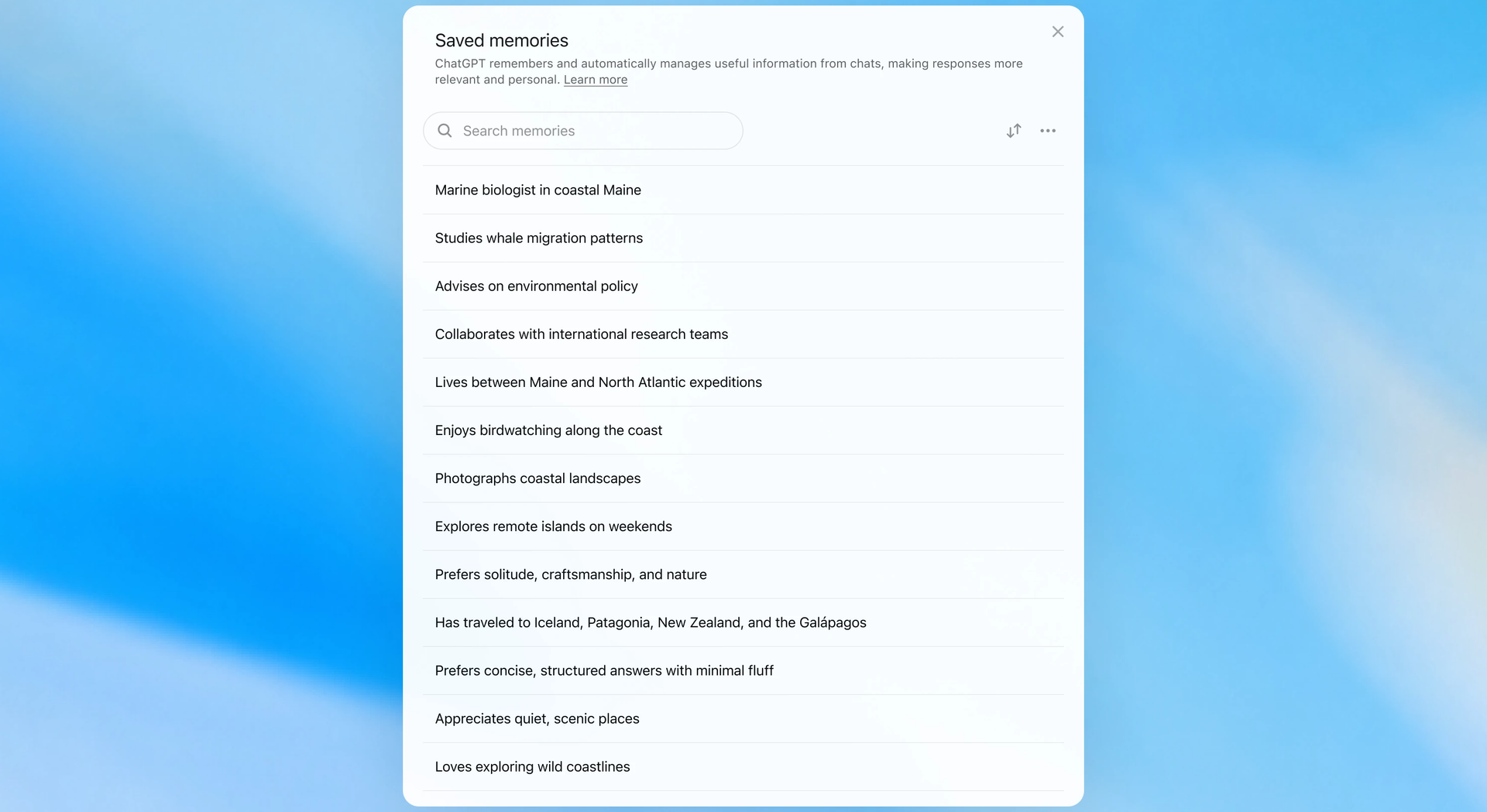
Beyond the under-the-hood magic, a new memory summary page lets you audit (and edit) what ChatGPT knows about your hobbies, work, and travel, while granular toggles and Temporary Chats give privacy-minded users an escape hatch. |
The upgrade also promises sharper personalization. Think gear recommendations that remember your exact camera rig or travel tips that respect your vegetarian streak. And it silently ages out details once they're no longer relevant.
There is a catch, though: truly purging a memory requires a tedious digital scrub across your saved memories, chat history, files, and connected apps. Also, sorry Europe—file and Gmail memory sources are MIA in the EEA, UK, and Switzerland.
Why it matters: Persistent, self-curating memory pushes ChatGPT closer to a true digital assistant that works the way you actually live—without the Groundhog Day repetition. With ChatGPT just hitting a record 1 billion monthly active users, that is a lot of automated dossiers. But the trade-off is trust: users will have to balance convenience against the creepiness of an AI that never forgets.
|
|
|
|
Will you turn on ChatGPT's new memory features? |
|
|
|
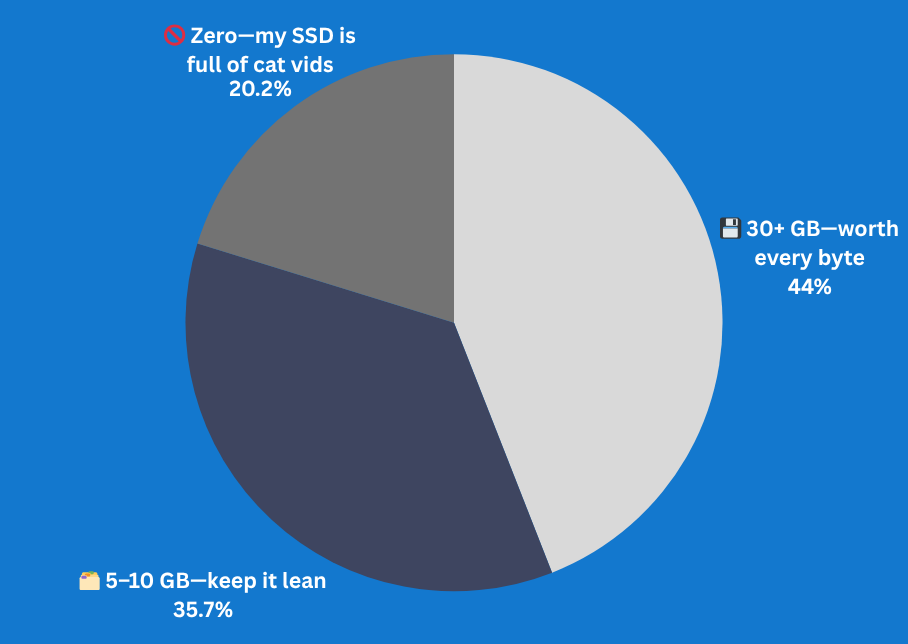
Results from Yesterday's Pulse Check |
How much storage would you sacrifice for a powerful local AI model? |
|
|
|
Pinterest Pins $4B AWS Deal to Scale AI |
Pinning might be free for users, but it's costing Pinterest a $4 billion cloud.
Yesterday, Pinterest locked in a $4 billion commitment to Amazon Web Services through 2031, its biggest infrastructure deal yet, to fuel AI-powered visual search and discovery for more than 600 million monthly pinners.
The platform will train large language and vision models on AWS Trainium and expand its Graviton footprint—processors already running a third of its compute—to drive the new Pinterest Assistant, boost its Performance+ ad suite, and deliver hyperpersonalized recommendations. |
Image via Pinterest/Amazon |
The agreement also shifts Pinterest from traditional Elastic Compute Cloud (EC2) fleets to Kubernetes on Amazon Elastic Kubernetes Service (EKS), a modernization push expected to boost developer velocity, operational reliability, and infrastructure efficiency.
Wall Street noticed: Pinterest shares jumped about 4.5% at close yesterday, and Amazon gained around 1.5% after the twin announcements, which landed the same day Google and IBM touted their own Gemini agent pact.
With TikTok and Meta nipping at its ad dollars, Pinterest is betting that cheaper, faster silicon will turn inspiration boards into buy buttons. Cue the cloud-native mood boards. |
|
|
|
Wrike helps teams turn scattered tasks, shifting priorities, and timezone ping-pong into cleaner, more visible workflows. Its project management platform brings collaboration, automation, AI features, and scalable workflow tools into one place, so teams can spend less time chasing updates and more time doing the work that actually moves projects forward. |
|
|
|
One-Click GitHub Token Heist Hits VS Code Web |
A newly disclosed zero-day in github.dev, GitHub's browser-based VS Code, let attackers steal full OAuth tokens with a single click, exposing private code.
Researcher Ammar Askar dropped a proof of concept on June 2, giving Microsoft a petty one-hour heads-up because he was sick of its sluggish disclosure process. Microsoft shipped mitigations the next day, claiming no customer action is required. Because the stolen keys aren't repo-scoped, an attacker could clone, delete, or backdoor any project the victim touches. While Microsoft insists the desktop editor is immune, researchers warn that cloning a malicious repo can still trigger the exploit locally.
Play it safe by clearing github.dev cookies and site data, disabling Workspace Recommendations to block sneaky extension installs, reviewing your personal access tokens, and thinking twice before opening random repos or Jupyter notebooks.
No surprise: even your IDE wants zero-trust rules now. |
Malicious Messages Could Hijack Gemini on Android |
Researchers just revealed a now-patched flaw that let crafted WhatsApp, Slack, SMS, and other alerts hijack Google Gemini on millions of Android devices—without a single malicious app installed.
Dubbed Fake Context Alignment, the trick smuggled hidden instructions, sometimes in Chinese or muted hyperlinks, into notification text so the Gemini voice assistant would open smart-home windows, force you to join Zoom calls, or poison its own long-term memory once you casually said "yes" to a seemingly harmless audio prompt.
Google rolled out a server-side classifier fix last November and sees no evidence of real-world abuse, but Android users can still cut risk by revoking Gemini's notification-reading permission or disabling the Utilities agent.
Maybe mute those group chats before your AI starts redecorating the house. |
Traditional QA signals are struggling to keep pace with AI-driven development. As release cycles accelerate, fragmented workflows and disconnected visibility make it harder to measure true software quality.
DZone and SmartBear bring you AI-Driven Quality: Shifting Beyond Traditional Test Metrics on June 11, 2026, at 11:00 a.m. ET, focused on improving release confidence with unified visibility, measurable assurance, and real-time quality insights. Learn practical ways to strengthen quality workflows without adding unnecessary complexity. |
SpaceX's $75B IPO Shoots Past Records |
SpaceX has set a fixed $135 share price for its June 12 Nasdaq debut, aiming to raise $75 billion and value itself at $1.77 trillion, eclipsing Saudi Aramco's 2019 record by a massive margin.
The one-price approach skips Wall Street's usual range dance and signals Elon Musk's supreme confidence; bankers now expect a first-day pop that could finally push him past the trillion-dollar mark.
Morningstar pegs fair value at just $780 billion. Meanwhile, skeptics are side-eyeing a valuation that sits at a staggering 90 times the company's actual revenue, while pointing out that Starlink had to carry 69% of the weight in Q1 sales. SpaceX also burned $4.94 billion last year as it plowed cash into AI compute, Starship, and orbital data centers, not to mention a looming option to acquire AI coding assistant Cursor for $60 billion in stock.
|
Image created with ChatGPT |
Retail traders can chase shares through Robinhood, Fidelity, and other brokers, up to an unprecedented 30% of the float. Yet Musk will still wield over 82% of voting power, while gifting 5% of shares to select friends and employees who are conveniently exempt from the standard 366-day lockup, leaving outsiders along for the ride.
Between immediate friends-and-family dumping and whispers of a future Tesla mega-merger, fueled by Tesla already owning 19 million SpaceX shares, this blast-off could get wildly volatile. |
|
|
|
|
Writer at TechnologyAdvice |
Justin Meyers is an investigative writer and editor who draws on over a decade of meticulous hands-on research to deliver the full, trustworthy story behind consumer and enterprise tech, including cybersecurity. |
|
|
|
Curious about where AI is really headed? |
The Neuron cuts through the noise to bring you smart, hype-free takes on the latest AI trends, tools, and breakthroughs. Join 700,000+ professionals from top companies like Microsoft, Apple, Salesforce, and more.
|
|
|
|
Advertise in Daily Tech Insider! Daily Tech Insider is a TechnologyAdvice business. © 2026 TechnologyAdvice, LLC. All rights reserved.
TechnologyAdvice, 3343 Perimeter Hill Dr., Suite 215, Nashville, TN 37211, USA. |
|
|
|
|