Hybrid hustle time, Tech Insiders.
Apple is pairing its own models with Nvidia GPUs and Google's Gemini power in the cloud, while OpenAI rolls ChatGPT, Codex, and Atlas into one desktop hub. Grab your keycard; let's tour the new AI mashups. |
|
|
|
Here's what you need to know today: |
|
|
|
Apple Leans on Google, Nvidia to Supercharge Private AI |
Turns out even Apple knows when it's time to borrow the neighbor's lawnmower, especially when that lawn grows to data-center size.
Since we already covered Siri AI's new features yesterday, let's take a deeper look at the engine that powers it and other Apple Intelligence features.
On-device tasks rely on two new Apple Foundation Models: AFM 3 Core and the beefier, multimodal AFM 3 Core Advanced. Heavier requests detour to AFM 3 Cloud Pro, running on Nvidia chips in Google Cloud. Crucially, Apple isn't white-labeling Google's AI; these proprietary models are merely "refined" with Gemini outputs, with zero Google code included.
To keep its privacy halo, Cupertino extends Private Cloud Compute to those third-party servers, touting stateless processing, cryptographic attestation, and a public ledger of every rack. |
Not every device gets the magic locally: Apple's top on-device model needs at least 12 GB of RAM, currently found only in the iPhone 17 Pro, 17 Pro Max, iPhone Air, M4 iPads, M3 Macs, and M5 Vision Pro. Older hardware leans on the smaller local model and the cloud. (Sorry, EU: you miss out on the AI magic on iOS completely thanks to DMA snags.)
Developers score free access to Apple's cloud models—if they have fewer than two million app downloads—plus a framework that swaps in Gemini or Claude with one code change.
Why it matters: Apple rewrote its AI playbook, opting for a hybrid model promising Google can't peek. Consumers get flashier features (if they buy new gear), devs get cheaper taps, and rivals must match privacy guarantees, not just raw flops. |
|
|
|
Would you trust Apple's Google-powered cloud nodes with your private prompts? |
|
|
|
Results from Yesterday's Pulse Check |
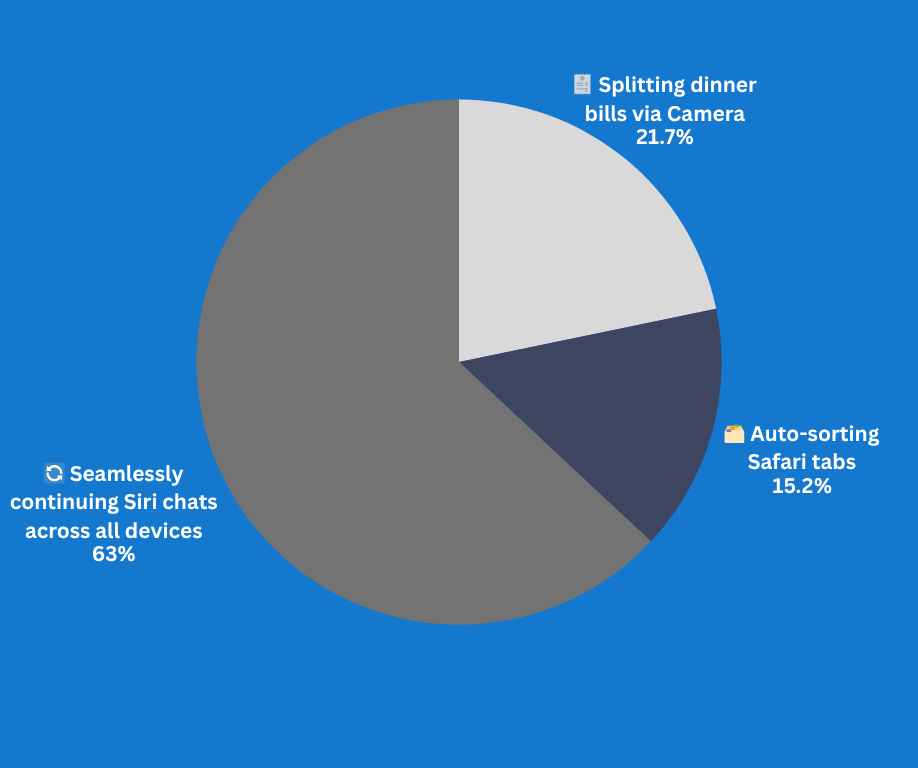
Which new Siri trick sounds most useful? |
|
|
|
OpenAI Bundles ChatGPT, Codex Into Desktop Superapp |
Because juggling three AI apps was so 2025.
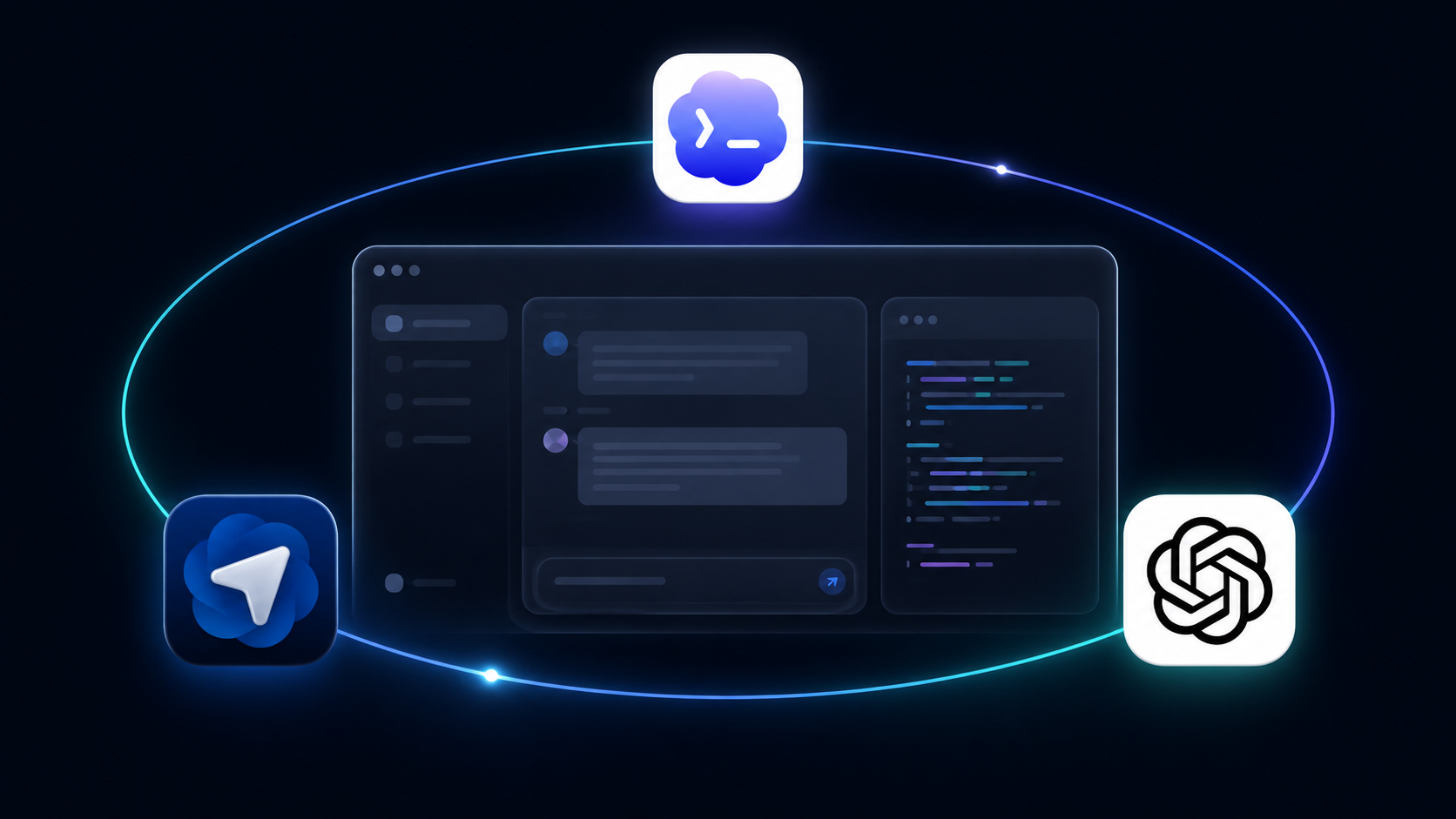
OpenAI is prepping a desktop "superapp" that fuses ChatGPT, Codex, and the Atlas browser into a single work hub. The move, internally codenamed "Aria," has one senior employee declaring "Chat is dead," as it turns the once-simple chatbot into a launchpad for coding tools, AI agents, and third-party services.
Co-founder Greg Brockman is steering product, while applications chief Fidji Simo is driving a commercial redesign that nudges free users toward paid features and steers enterprises to integrated partner apps like Canva and Booking.com. An internal memo bluntly blamed product sprawl for slowing quality and growth. |
Image created with ChatGPT |
While we've known about an upcoming superapp for months, the recent news is strategic: OpenAI is racing to catch up to rival Anthropic, which confidentially filed for its own IPO on June 1 after heavily cutting into OpenAI's enterprise market share. Two million business customers already generate 40% of OpenAI's revenue, and leadership wants that above 50% before its own public listing, which the company confidentially filed for this week. Codex's own user base has climbed past five million weekly actives, giving OpenAI a paying audience to upsell inside the new shell.
Security teams, meanwhile, spy fresh headaches. Codex can already run plugins, tap remote devboxes, and manipulate live documents—useful for workflow automation, risky for governance. Critics warn that autonomous agents plus broader app permissions could widen the prompt-injection and supply-chain attack surface just as enterprises consider deeper adoption. Let's hope the superapp kills context-switching, not your security budget. |
|
|
|
🐘 Back Up 5 TB Across 10 Devices
Secure cloud files with ElephantDrive 5 TB Plan: 2-Yr Subscription at $138.99 (88% off), syncing encrypted backups from NAS, mobile, and desktops for two solid years.
💼 Streamline HR With Top Tools
The Best Human Resources Software guide ranks Rippling, BambooHR, ADP, and more, so you can pick and deploy the right HR suite in minutes instead of months.
💪 Nab Windows Pro Power for $13
Microsoft Windows 11 Pro licenses cost just $12.97—upgrade your PC with lifetime support, enhanced security, and pro productivity features at 93% off.
💻 This section contains sponsored tech insights. Advertise with us! |
|
|
|
Many organisations still lack the operational visibility needed to confidently prioritise refresh decisions and improve workforce experience outcomes.
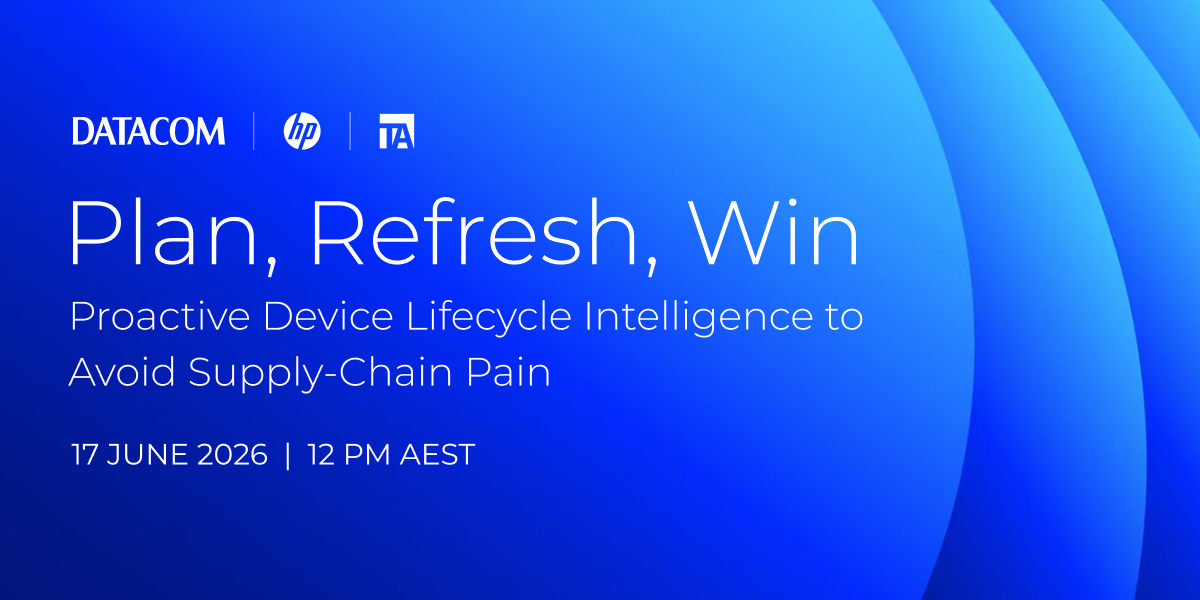
Join Datacom, HP, and TechnologyAdvice on June 17, 2026, at 12:00 p.m. AEST for a live demonstration of the upgraded HP Workforce Experience Platform (WXP) and Datacom Insights, including AI navigation, intelligent remediation, optimisation reporting, and Australian-hosted data capabilities. |
|
|
|
Check Point VPN Zero-Day Under Active Attack |
Check Point has issued emergency fixes after attackers began exploiting CVE-2026-50751, a 9.3-rated flaw that lets unauthenticated attackers skip the password screen on Remote Access VPNs, Mobile Access deployments, and Spark firewalls. The bug, active since May 7 and now linked to a suspected Qilin ransomware affiliate, only hits gateways still running the legacy IKEv1 protocol (first released in 1998). Fortunately, hackers still need additional post-authentication exploits to actually reach internal resources, limiting the current blast radius to a few dozen organizations. |
Still, CISA has ordered federal agencies to patch by June 11. (The update also patches a secondary man-in-the-middle bug, CVE-2026-50752).
Can't patch today? Switch VPNs to IKEv2-only, require machine certificates, drop legacy clients, and comb logs back to early May for suspicious logins. Because nothing ruins a Wednesday like a no-password VPN. |
Chrome Zero-Day Exploit Makes Browser Updates Urgent |
On Monday, Google pushed emergency fixes for CVE-2026-11645, a Chrome V8 zero-day already exploited in real-world attacks, alongside patches for 73 other vulnerabilities (17 of which are critical).
The out-of-bounds read/write flaw scores an 8.8 high-severity rating and lets a malicious webpage execute code inside the browser sandbox.
Update to version 149.0.7827.102 or .103 on Windows and macOS (149.0.7827.102 on Linux and Android) via Settings › About Chrome, then relaunch. Confirm that auto-updates are actually toggled on, especially if you manage endpoints or have a bad habit of sabotaging your own security settings.
Edge, Brave, Opera, and other Chromium browsers will follow (if they haven't already); until then, avoid sketchy sites or flip on strict site-isolation flags. It's the browser's fifth exploited zero-day this year, underscoring how quickly attackers weaponize engine bugs.
Blink and V8 will hack you before breakfast, so hit that Update button now. |
OpenAI Quietly Files IPO, Stokes Billion-Dollar AI Race |
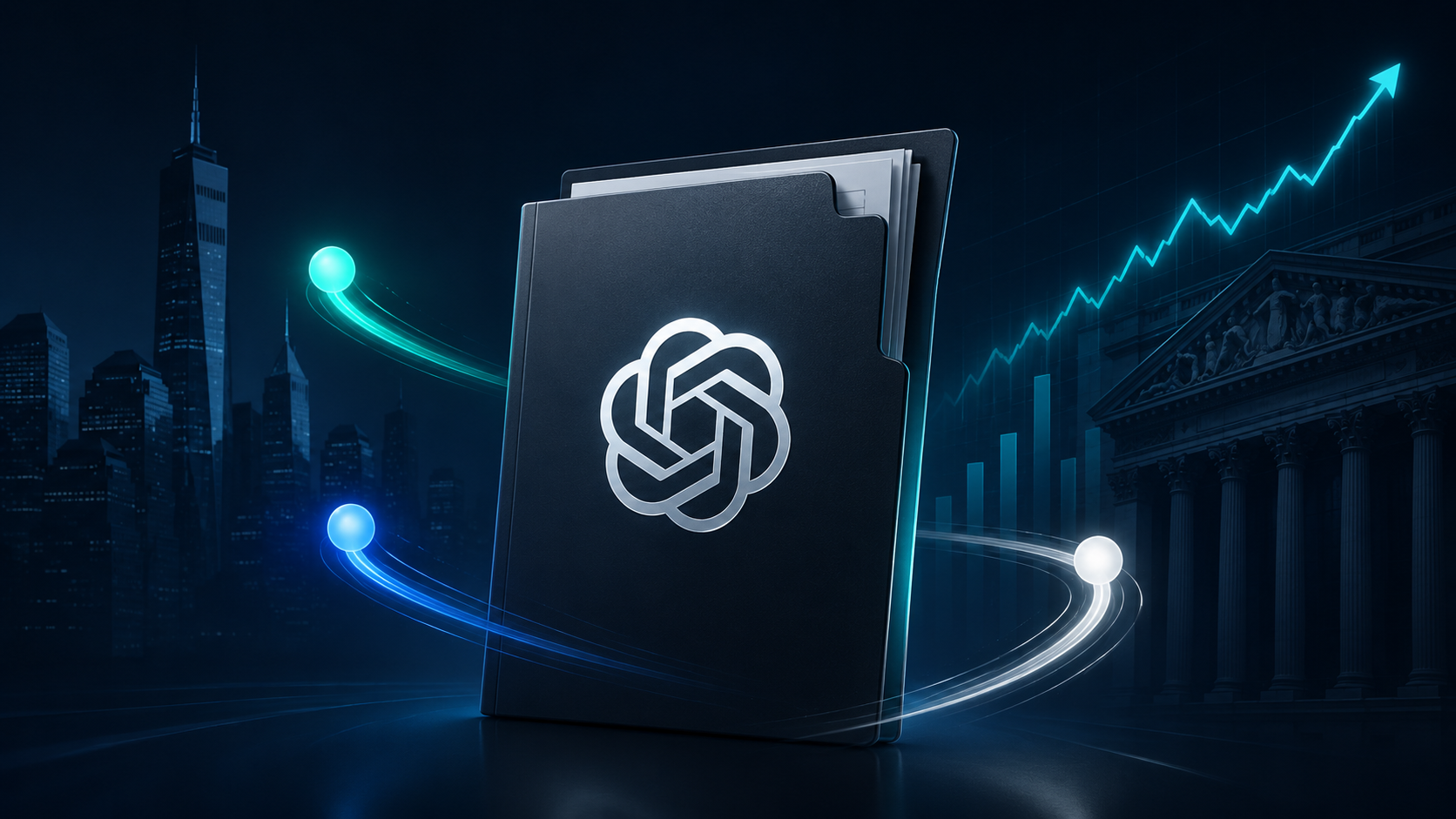
As we touched on earlier, OpenAI has submitted a confidential S-1 to the SEC, the company confirmed on June 8, teeing up what could become one of history's priciest tech debuts, and the ultimate test of Wall Street's AI appetite.
The filing locks in regulatory review without revealing terms. Insiders say the ChatGPT maker is weighing a valuation near $1 trillion, up from the $852 billion valuation it snagged during March's $122 billion fundraise. Still, it hasn't picked a listing date. However, it's currently playing second fiddle to chief rival Anthropic, which just hit a staggering $965 billion valuation.
The stealth move lands one week after Anthropic's own confidential filing and just days before SpaceX's $1.77 trillion market debut, setting up a three-way dash for investor cash. Analysts warn this triple-threat mega-IPO wave could exhaust public market capital, leaving the laggards to fight over scraps. |
Image created with ChatGPT |
A confidential S-1 keeps OpenAI's financials under wraps—for now. The public version will expose revenue, losses, and compute burn that insiders admit could top $100 billion a year and keep the company in the red until at least 2030.
Still, OpenAI touts 900 million weekly users and roughly $2 billion in monthly sales as proof that demand is real, and it even plans to toss a slice of the IPO pie to everyday retail investors.
Regulatory clouds linger—antitrust probes, safety lawsuits, and governance questions—but the recent dismissal of Elon Musk's lawsuit removed a headline risk. Until a full prospectus drops, though, Wall Street is betting blind on just how expensive artificial general intelligence really is. Turns out even the smartest models can't hide their report cards forever. |
|
|
|
|
Writer/Editor at TechnologyAdvice |
Justin Meyers is an investigative writer and editor who draws on over a decade of meticulous hands-on research to deliver the full, trustworthy story behind consumer and enterprise tech, including cybersecurity. |
|
|
|
Curious about where AI is really headed? |
The Neuron cuts through the noise to bring you smart, hype-free takes on the latest AI trends, tools, and breakthroughs. Join 700,000+ professionals from top companies like Microsoft, Apple, Salesforce, and more.
|
|
|
|
Advertise in Daily Tech Insider! Daily Tech Insider is a TechnologyAdvice business. © 2026 TechnologyAdvice, LLC. All rights reserved.
TechnologyAdvice, 3343 Perimeter Hill Dr., Suite 215, Nashville, TN 37211, USA. |
|
|
|
|