Beta on deck, Tech Insiders.
Apple's public builds unleash Siri's smarter side while watchdogs chase a rogue Chrome add-on and a ShareFile zero-day. Step right up; fresh code and fresh threats await just below. |
|
|
|
Here's what you need to know today: |
|
|
|
Siri AI Lands in iOS 27 Public Beta |
Apple just handed curious iPhone owners a shiny new toy. Now the question is whether you're brave enough to play with it.
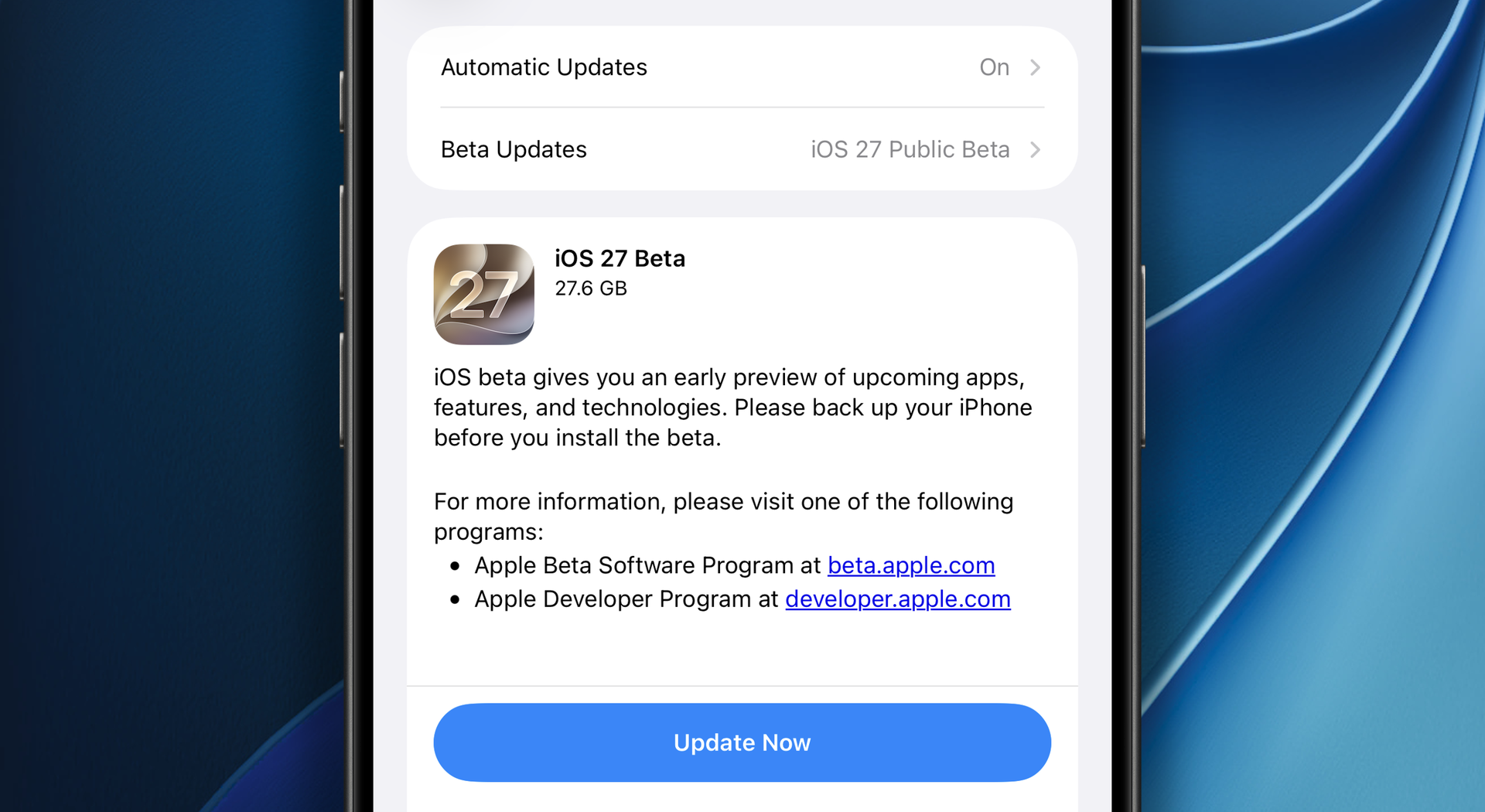
The iOS 27, iPadOS 27, and macOS 27 Golden Gate public betas are now open, so non-developers can finally take Siri AI for a spin. The overhauled assistant can hold real conversations, scan your local data to dig up buried emails or photos, and even identify what the Camera app sees.
Early access to the new Siri comes with caveats: you'll need at least an iPhone 15 Pro, the feature is English-only for now, EU users are in limbo, and there's a waitlist (plus a lengthy device-indexing period) before Siri's new brain is enabled.
|
Even without the AI, iOS 27's broader performance perks may tempt fence-sitters. Apple claims apps launch up to 30% faster, photos appear 70% quicker, and AirDrop moves files 80% faster. Safari stacks tabs by topic, a wiser Passwords app fixes weak logins, Photos gains AI-powered Extend and Spatial Reframing tools, and a Liquid Glass slider lets you tone down iOS's glassy look, while watchOS 27 testers also get Siri AI chat on the wrist.
So far, public sentiment is upbeat. YouTuber Aaron Zollo calls these "the best betas in years," and early adopters report solid stability. After a month of poking every corner of the beta myself, I've watched Siri jump from timer jockey to legit sidekick, finally dishing out context-aware answers instead of polite shrugs. Still, Apple warns beta software can nibble battery life, bork apps, and require a full wipe to roll back, so think before you leap.
Why it matters: Siri AI is Apple's loudest answer yet to ChatGPT and Gemini. Enrolling in the Apple Beta Software Program lets you shape how Apple's on-device AI evolves—and glimpse whether the company's privacy-first approach can match cloud-heavy rivals—months before the masses get their turn. |
|
|
|
Will you install iOS 27's public beta on your iPhone? |
|
|
|
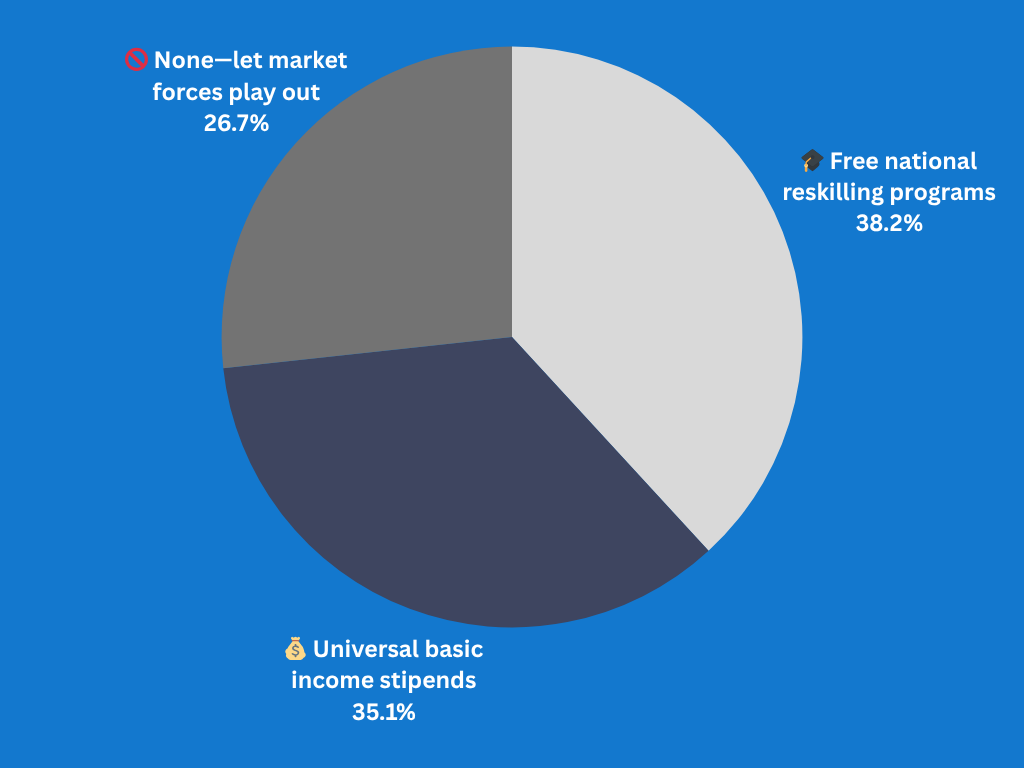
Results from Yesterday's Pulse Check |
Which policy would best cushion workers if AI slashes jobs? |
|
|
|
Nadella Says Firms Pay Double for AI Smarts |
Step aside, Trojan horse. Your enemy now arrives via fine print and per-token invoices.
Microsoft CEO Satya Nadella warns in a new essay that enterprises "pay for intelligence twice"—once for the API bill and again with the proprietary data they surrender to make models work.
He dubs the bind a "reverse information paradox" and calls it hypocritical for labs like OpenAI and Anthropic to decry model distillation while freely scraping the web and soaking up customers' corrections. (The irony here is rich, considering Microsoft holds a roughly 27% stake in OpenAI.)
|
Image created with ChatGPT |
Nadella's fix is hardly selfless: erect a private learning environment (ideally on Azure), keep ownership of prompts, traces, and adapted weights, and add an orchestration layer so you can hop between closed- and open-source models without lock-in. Giants from T-Mobile to SAP are already piloting on-prem deployments to stem data leakage and trim costs.
The timing stings. Frontier labs are urging Congress to crack down on distillation, pointing to Alibaba's alleged 29-million-prompt raid on Claude. Nadella flips the script, warning buyers that convenience today could become tomorrow's competitive leak. In short: tighten the data spigot now or watch your moat drip away. |
|
|
|
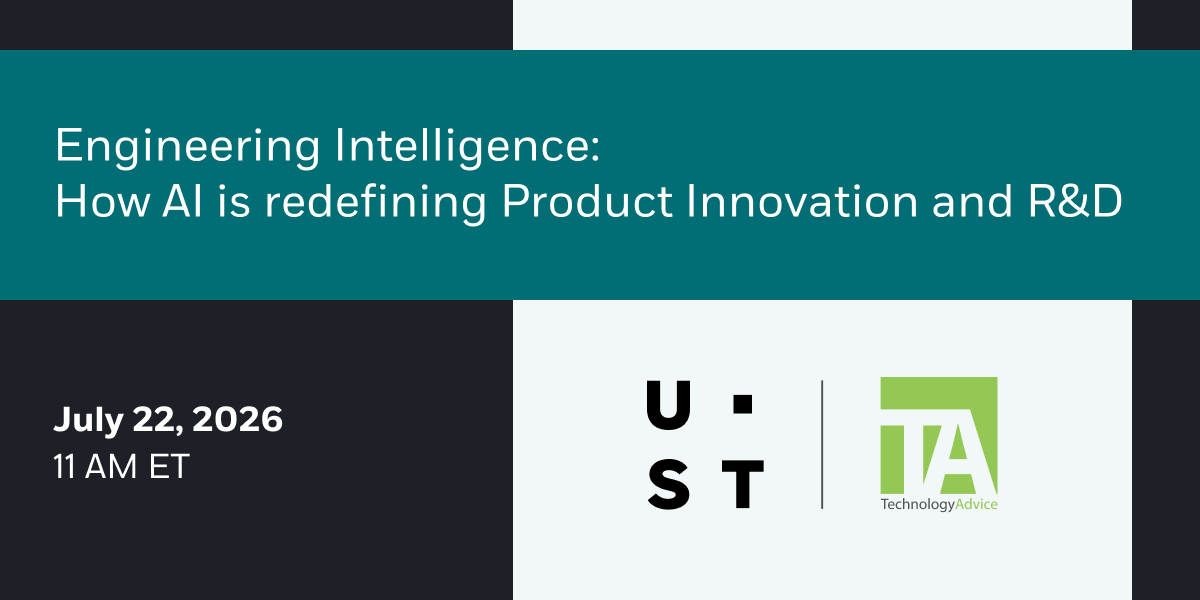
What does it take to shorten development cycles without sacrificing quality? TechnologyAdvice and UST invite you to an exclusive discussion on July 22, 2026 at 11:00 AM ET focused on how AI is helping engineering teams reduce delays, improve decision-making, and scale innovation.
Learn how organizations are applying engineering intelligence to create faster, smarter, and more predictable product development processes. |
|
|
|
Trusted ModHeader Extension Flagged as Malware After 1.6M Installs |
UK security firm Stripe OLT found version 7.0.18 of ModHeader hides dormant spyware able to scramble a list of up to 1,000 websites you've visited and stage them for a secret upload. Following the discovery, Google and Microsoft pulled the header-editing extension and its 1.6 million installs.
The collector is kept inactive by a blank allow-list, but its fingerprinting, heavy-duty AES-GCM encryption, and daily data uploads to a fake Stanford University domain are already baked into the signed Chrome and Edge builds, so one silent update could light it up.
|
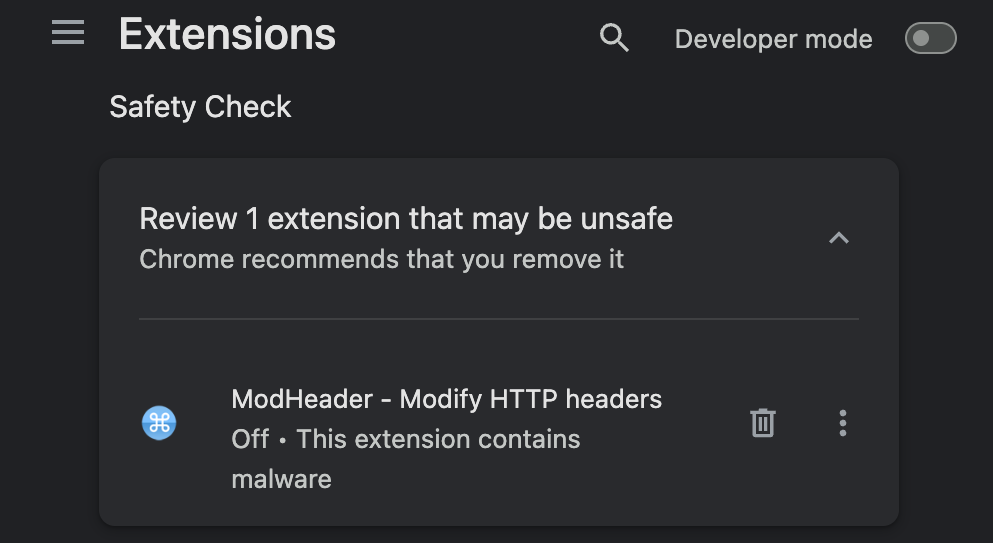
Run Chrome's Safety Check and it doesn't mince words: it flags the add-on as "malware" and explicitly warns you to remove it before it can "see and change your data on sites you visit, including your personal info."
Remove extension IDs idgpnmonknjnojddfkpgkljpfnnfcklj (Chrome) and opgbiafapkbbnbnjcdomjaghbckfkglc (Edge), rotate any tokens stored in custom headers, and block the malicious "stanfordstudies" and "extensions-hub" domains; Chrome should handle the malware flag for individual profiles, but managed fleets need an audit. Another day, another "trusted" add-on turned trap. |
ShareFile Zero-Day Forces Urgent Storage Zone Shutdown |
Pulling the plug beats losing the files.
Progress Software revealed that a severe path traversal zero-day in ShareFile's Storage Zone Controller triggered last week's sudden directive to power down servers. The good news? The company finally released patches (versions 5.12.5 and 6.0.2) to bring systems back online.
The flaw allows an authenticated admin to access or inject arbitrary files—ideal for stealing data or planting malware across the on-prem half of a hybrid ShareFile deployment. Fortunately, Progress states there is currently no evidence of active exploitation or unauthorized data access.
Before you boot everything back up, snapshot disks, preserve logs, and hunt for rogue accounts, then patch and reset keys before reconnecting to the internet. Patch early, sleep soundly. |
Smartphone Shipments Hit a 13-Year Low Amid Memory Crunch |
Global smartphone shipments plunged 11% year over year in Q2 2026—the worst second quarter since 2013—as DRAM and NAND supplies were siphoned to AI data centers, driving component costs sky-high.
Memory now devours about 60% of the bill of materials for sub-$400 handsets, and prices are up to 5× higher than a year ago. That math clobbered budget brands: Xiaomi, Oppo, and Vivo all logged double-digit shipment declines while consumers stretched upgrade cycles or shopped for refurbished devices. |
Image created with Gemini |
Heavyweights moved the other way. Samsung leaped back to No. 1 with a 24% share on Galaxy S26 momentum, and Apple hit a record 20% (bolstered by a 24.4% shipment surge in China) thanks to holding iPhone prices steady despite the squeeze.
Meanwhile, Google and Huawei laughed off the crunch with 16% and 6% global shipment growth, respectively, proving that deep pockets and domestic loyalty can buy your way out of a parts crisis. Counterpoint still sees a 14% slide for the full year and warns the shortage may last into 2027, nudging vendors to kill low-margin models and double down on premium tiers and trade-in programs.
Cheap phones just got shelved by pricey chips. |
|
|
|
| Writer/Editor at TechnologyAdvice |
Justin Meyers is an investigative writer and editor who draws on over a decade of meticulous hands-on research to deliver the full, trustworthy story behind consumer and enterprise tech, including cybersecurity. |
|
|
|
Curious about where AI is really headed? |
The Neuron cuts through the noise to bring you smart, hype-free takes on the latest AI trends, tools, and breakthroughs. Join 700,000+ professionals from top companies like Microsoft, Apple, Salesforce, and more.
|
|
|
|
Advertise in Daily Tech Insider! Daily Tech Insider is a TechnologyAdvice business. © 2026 TechnologyAdvice, LLC. All rights reserved.
TechnologyAdvice, 3343 Perimeter Hill Dr., Suite 215, Nashville, TN 37211, USA. |
|
|
|
|