Check the guest list, Tech Insiders. Microsoft wants agents on your PC, Apple reportedly wants LG at your front door, and Meta and Walmart want businesses to recognize authorized shopping bots. Let's see who's cleared to enter. |
|
|
|
Here's what you need to know today: |
|
|
|
Microsoft Gives Local AI a Price Tag |
Your next coworker apparently needs its own motherboard.
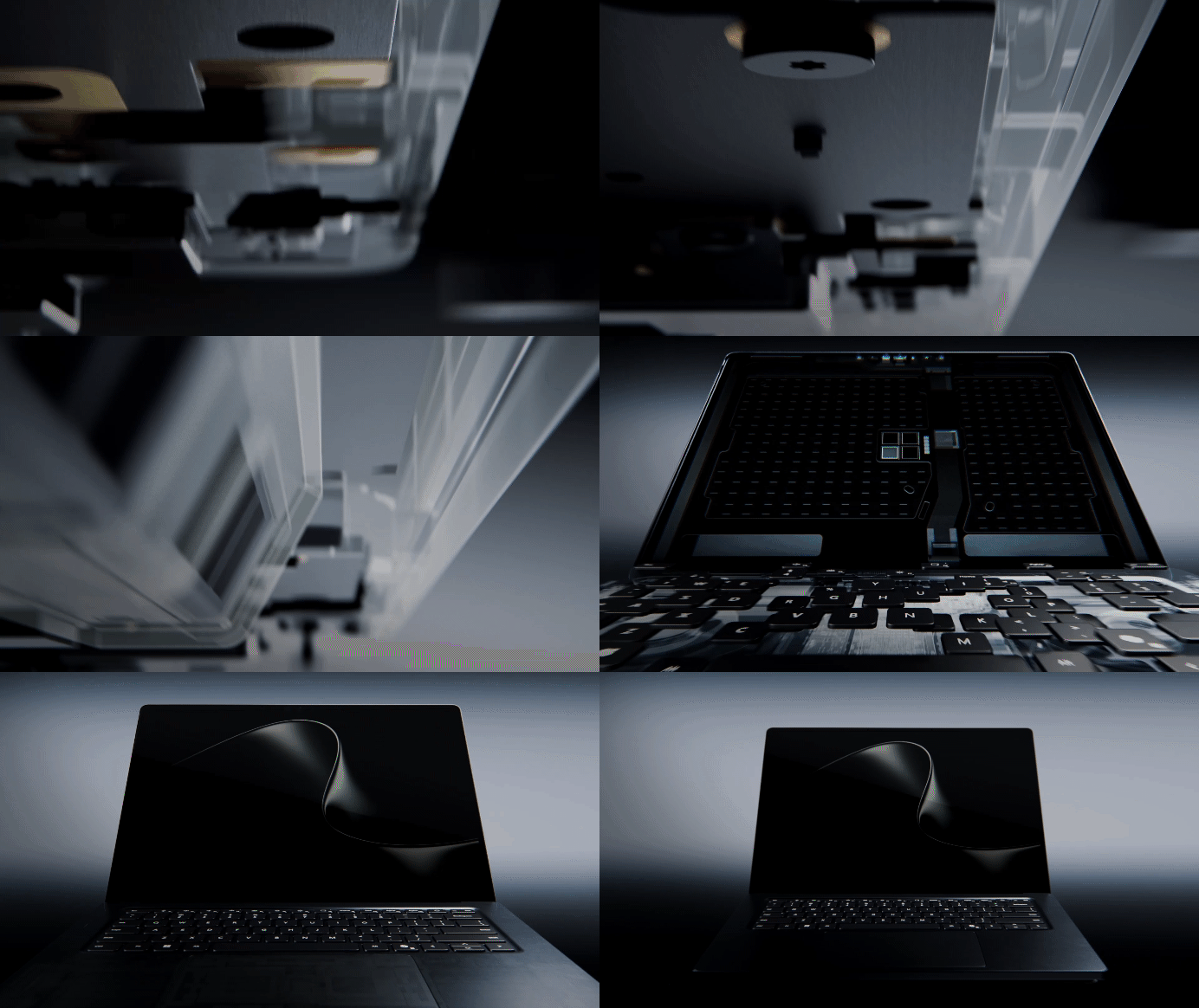
Microsoft opened preorders for its Nvidia-powered Surface Laptop Ultra yesterday, starting at a cool $2,599.99 (or $2,749.99 for the business edition), with availability slated for Oct. 16. The Windows 11 rig targets developers and creators eager to run AI agents locally instead of burning cloud tokens.
Its Arm-based RTX Spark chip pairs a Grace CPU with Blackwell RTX graphics and up to 128GB of unified memory. The catch? The base model settles for 24GB, while maxing out at 128GB will set you back $5,899.99. Your cloud bill might shrink, but your hardware budget will definitely feel the dent.
For the deskbound, there's the Surface RTX Spark Dev Box: a $5,999 mini-PC packing 128GB and preinstalled coding tools, shipping in November. Nvidia also previewed DGX Station for Windows, bringing its beefy AI workstation into Microsoft's ecosystem.
|
Microsoft also announced general availability of Microsoft Execution Containers, letting developers sandbox agents' file and network access. Entra-based agent identity and expanded management controls are on the road map. Giving the bot more horsepower doesn't mean handing it the master keys.
Why it matters: Microsoft is selling both the muscle to run agents and the leash to keep them in line. With local and cloud models sharing the workload, buyers need to figure out which jobs warrant a meter and whether avoiding cloud fees justifies several thousand dollars upfront. |
|
|
|
Would you pay $2,599 or more for a laptop built to run AI locally? |
|
|
|
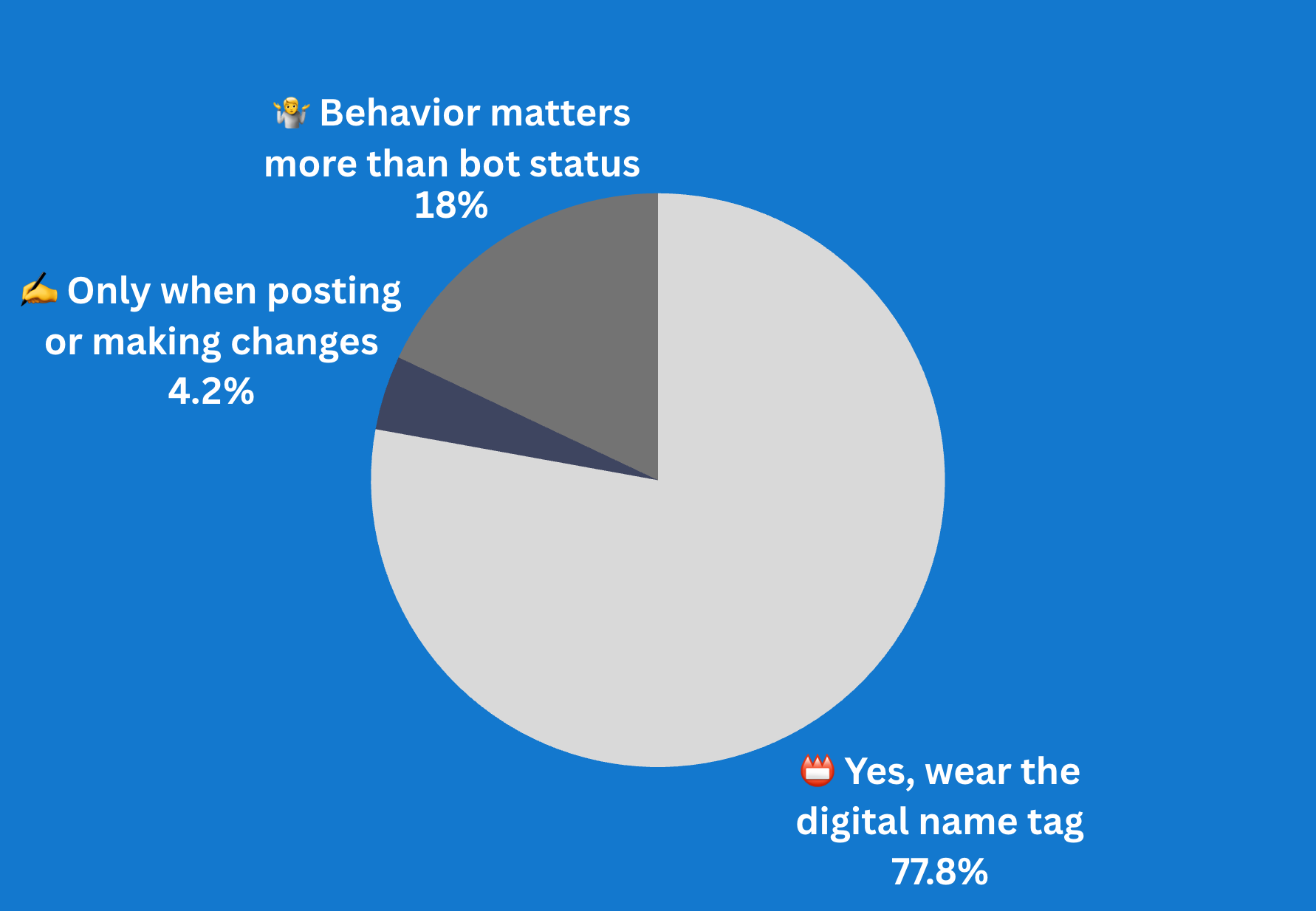
Results from Yesterday's Pulse Check |
Should AI bots have to announce themselves on every website they visit? |
|
|
|
Building the Agentic Software Factory with SonarQube |
Join this afternoon session with Sonar to learn more about the Agent Centric Development Cycle and how you can use it to design your own agentic software factory. You'll leave with a working framework to build out your own software factory around agentic, CI verification, and code remediation loops. |
|
|
Apple Recruits LG to Build Its Smarter Home |
Apple wants a smarter house without building every gadget in it.
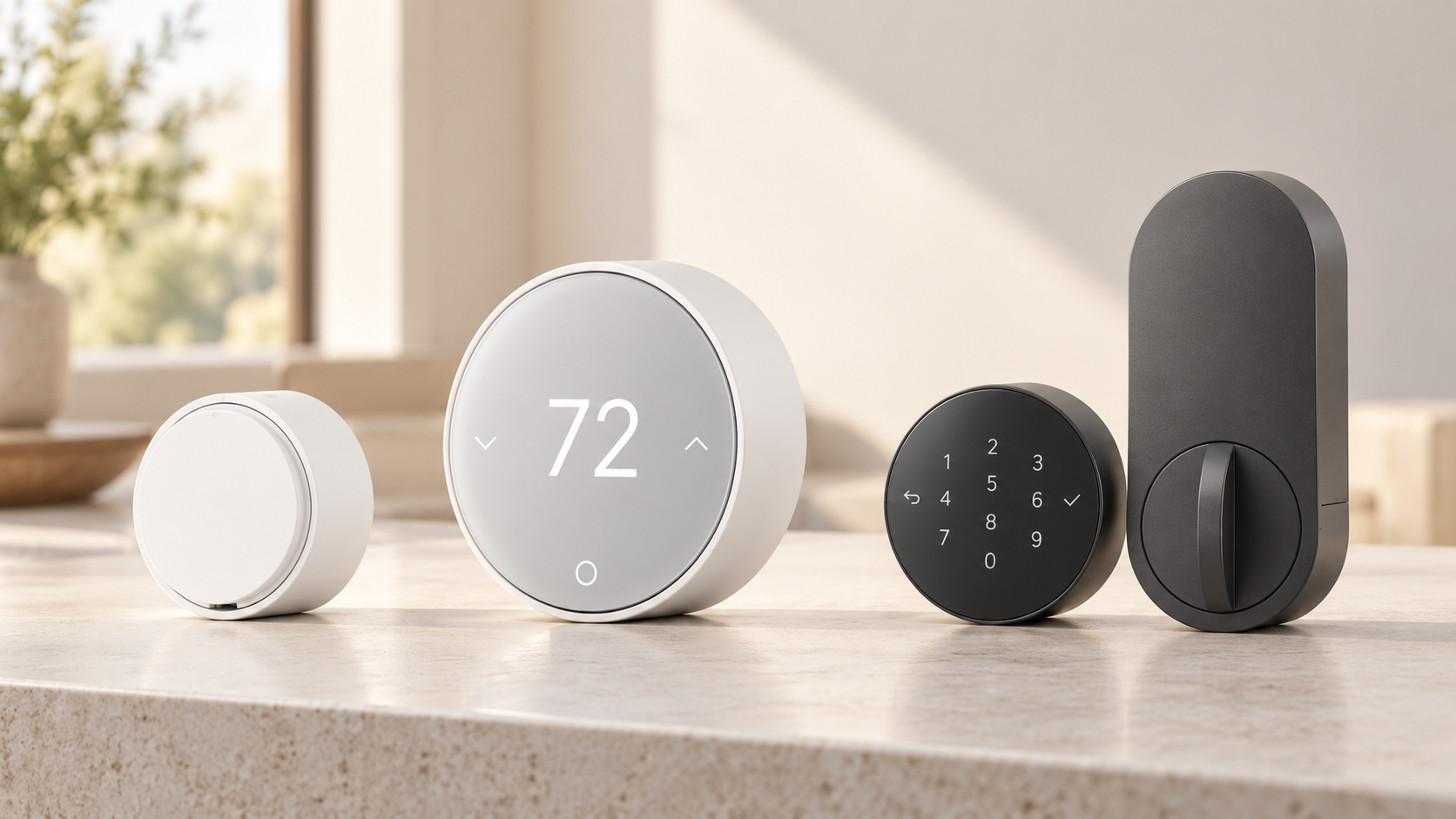
Apple is reportedly codeveloping smart home gear with LG, including a video doorbell, lock, thermostat, temperature sensor, and cameras. LG will handle manufacturing and support, while Apple pulls the design strings.
Bloomberg reports that the arrangement lets Apple dictate the hardware vision without taking on the massive overhead of the accessory business. For a HomeKit platform trailing Ring and Nest, that's a savvy shortcut. Apple can fill the shelves instead of waiting for third-party makers to stock them. |
Image created with ChatGPT (based on renders from pdfu on X) |
The filings offer intriguing specifics. The lock verifies your phone's credentials via Bluetooth before triggering ultra-wideband sensors to pinpoint its location for automatic unlocking. The thermostat features a 60 GHz radar sensor that might sense when someone walks up to it. Your heating controls might notice you before anyone else does.
The catch is timing. Apple's hub, refreshed HomePod mini, and Apple TV are reportedly due Oct. 13, but LG's accessories remain months away. Regulatory filings outline LG's products, but Apple's involvement was uncovered by Bloomberg.
Meanwhile, Apple's own privacy-focused home camera remains a separate project reportedly expected in 2027. For buyers, having Apple at the design table could mean better integration, but LG branding matters when checking support terms. Exact prices and ecosystem compatibility remain under wraps. A smarter front door is coming. The delivery date still needs work. |
|
|
|
As technology and threats evolve, many organizations lack the resources and expertise to keep pace. On Oct. 14, 2026, at 12:00 p.m. ET, Channel Insider and ESET will explore how AI-powered protection and MDR can help MSPs extend enterprise-grade security without scaling operational complexity. Discover how to protect more organizations while preserving profitability. |
|
|
Chrome 155 Patches 247 Flaws, Four Critical |
Image created with Gemini and ChatGPT |
Interestingly, an Anthropic researcher sniffed out two of the critical flaws with Claude's help. Finally, AI is doing the digital dishes instead of just generating weird hands.
Mobile users aren't off the hook, either. Android's update mirrors the desktop fixes, and the iOS app also got a tune-up.
On desktop, navigate to Help > About Google Chrome or Chrome > About Google Chrome and actually relaunch your browser. IT admins, verify your endpoints are patching instead of blindly trusting background updates. The rollout is gradual. Your precious collection of 142 open tabs doesn't grant you a patching exemption. |
Android's October Patches Go Beyond the OS Upgrade |
Google's October Android patches are out, sweeping up 25 unique flaws—including seven critical bugs lurking in Android 17 and older releases. The nastiest let attackers trigger remote denial of service and local privilege escalation without you ever touching your screen. Thankfully, Google hasn't spotted active exploitation.
Pixels get six additional fixes—three critical—plus model-dependent TLC for vanishing keyboards, distorted VoIP ringtones, and upside-down photos. Yes, a security patch that literally teaches your camera which way is up.
Meanwhile, Samsung's package brings Galaxy-specific fixes for flaws letting local attackers execute code. Manually update Samsung Internet to 30.0.5.24, too; a One UI upgrade won't magically deliver its separate script-injection patch. Verify your patch dates: Oct. 1 covers the main bulletin, while Pixels need Oct. 5. Rollouts vary, so IT teams should actually audit fleet patch levels. Android 17 is a version number, not a permission slip to skip patches. |
|
|
|
Microsoft, Meta Cut Claude - Impact on Your Apps Big tech is quietly cutting internal Claude use—Microsoft and Meta are steering employees to in‑house AI to slash costs and tighten data control. Customers still get model choice; partners must rethink procurement, spending caps, and governance. Details inside. |
|
|
|
🛠️ See how InstaDeep is putting agentic AI to work in PCB design with Dell AI Factory with NVIDIA.
Discover how reinforcement learning-based AI agents are helping automate complex design tasks, accelerate model training by up to 40%, reduce infrastructure costs, and dramatically shorten PCB design cycles. Watch now. 💾 Clone Your Windows Drive Without Starting Over
Transferring data between PCs, migrating operating systems, and more is easy with a lifetime license to EaseUS Disk Copy, now half off at just $29.99.
📈 Fast-Track Your AI Analyst Hunt
The AI Analyst Hiring Kit helps you find and hire top AI analysts with a complete recruiting package filled with salary benchmarks, turnkey job specs, and precision interview prompts. 💻 This section contains sponsored tech insights. Advertise with us! |
|
|
|
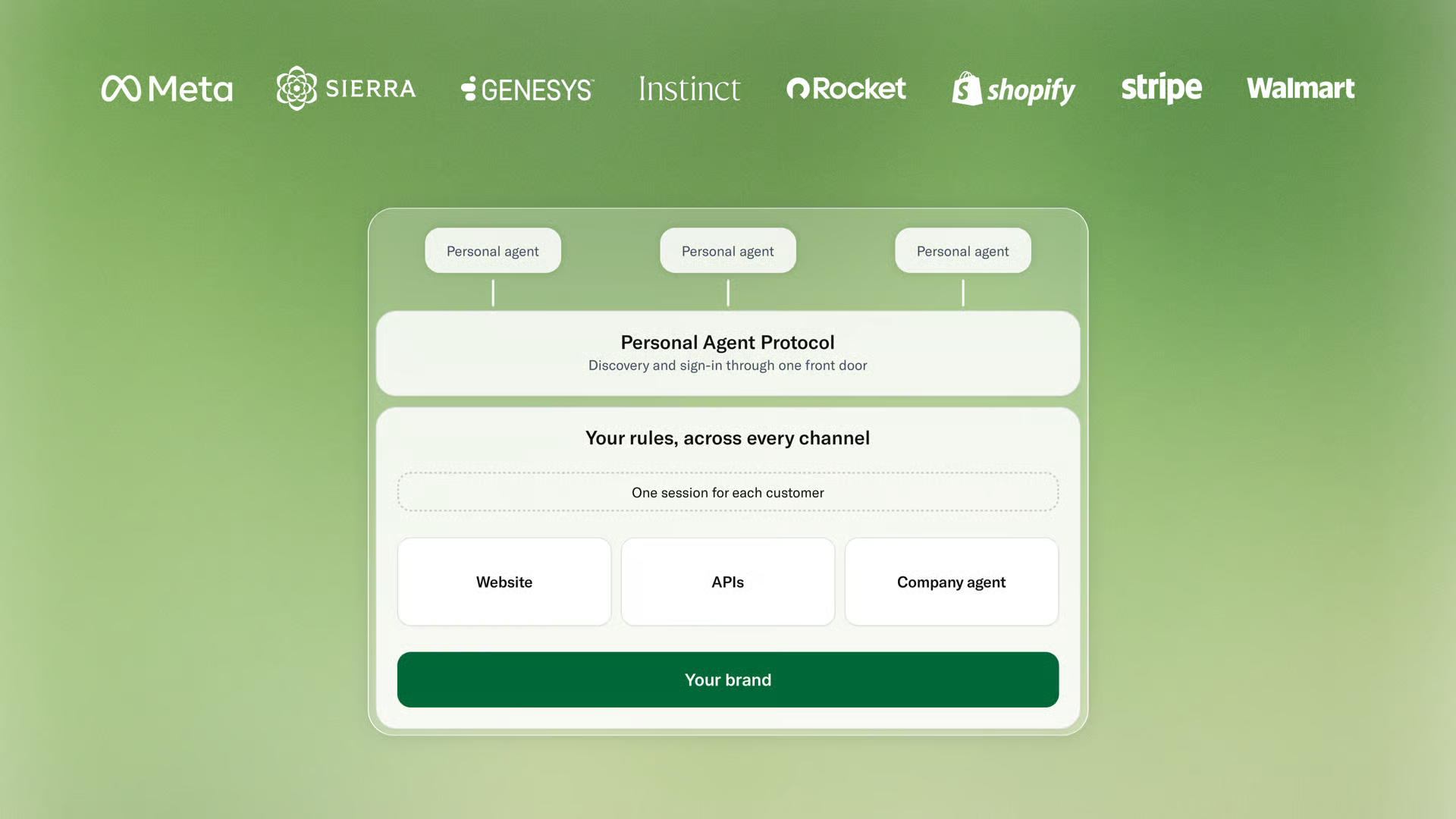
Meta and Walmart Want Rules for AI Shopping |
Of course, this grand universal handshake is currently just a draft. Sierra plans to publish version 0.1 later in October; detailed permissions and payment extensions are possible future additions. Major players like OpenAI and Anthropic haven't signed on yet, even though Sierra co-founder Bret Taylor also chairs OpenAI. Apparently, boardroom overlap doesn't guarantee a group text invite.
For retailers, the stakes extend way beyond basic bot detection. Customer experience vendor Genesys warns that because bots can effortlessly compare prices and switch providers, brands can no longer coast on sheer consumer laziness to maintain loyalty. If that prediction holds, businesses will actually have to compete on value while connecting agents to their existing systems.
Your shopping assistant is getting rules. Your impulse control remains your problem. |
|
|
|
|
Writer/Editor at TechnologyAdvice |
Justin Meyers is an investigative writer and editor who draws on over a decade of meticulous hands-on research to deliver the full, trustworthy story behind consumer and enterprise tech, including cybersecurity. |
|
|
|
Curious about where AI is really headed? |
The Neuron cuts through the noise to bring you smart, hype-free takes on the latest AI trends, tools, and breakthroughs. Join 700,000+ professionals from top companies like Microsoft, Apple, Salesforce, and more.
|
|
|
|
Advertise in Daily Tech Insider! Daily Tech Insider is a TechnologyAdvice business. © 2026 TechnologyAdvice, LLC. All rights reserved.
TechnologyAdvice, 3343 Perimeter Hill Dr., Suite 215, Nashville, TN 37211, USA. |
|
|
|
|