Go hands-on, Tech Insiders. ChatGPT is giving its answers buttons, Google is putting a meeting assistant on your Mac, and Nvidia is reportedly eyeing another billion-dollar bet on robots that still need practice. Let's see what happens when the demos meet the day job. |
|
|
|
Here's what you need to know today: |
|
|
|
GPT-6 Gives ChatGPT Answers You Can Actually Use |
ChatGPT's next trick: giving your follow-up question a slider.
OpenAI is rolling out Intelligent UI in ChatGPT, finally rescuing us from endless walls of text by injecting interactive charts, forms, and calculators directly into the chat. Instead of furiously retyping a prompt every time a single variable changes, you can now drag a slider to tweak your retirement savings or tap through a diagram to dissect bicycle mechanics. You don't need to know how to code—you just need to boss the bot into building the exact tool you want on the spot.
Of course, all this visual flair comes with a necessary reality check. In TechRadar's hands-on test, slick sliders allowed the reviewer to re-weight how much price and battery life influenced laptop recommendations. But one battery-life figure turned out to be a total guess by the AI. Turns out, a hallucination wrapped in a beautiful interactive widget is still a hallucination.
|
GPT-6 is also learning to talk while it thinks. OpenAI claims its Instant tier fires off web-search responses 44% faster on average than its GPT-5.6 predecessor. Notice the careful corporate phrasing there? You'll stare at a blank screen for 44% less time, but there is absolutely no guarantee the bot will finish its entire thought any quicker.
The rollout began Wednesday for the paying elite (Plus, Pro, Business, and Enterprise), with Free and Go users getting their first taste yesterday. Intelligent UI plays nice with the web and updated mobile apps, but you're completely out of luck if you're utilizing the "Pro" thinking effort or clinging to aging Mac and Windows desktop apps.
Why it matters: This much-needed facelift finally makes ChatGPT practical for visualizing budget scenarios and weighing real-time trade-offs. Just remember to verify the AI's underlying math before a shiny bespoke calculator talks you into making a catastrophic financial decision. |
|
|
|
Would interactive charts and calculators make ChatGPT more useful to you? |
|
|
|
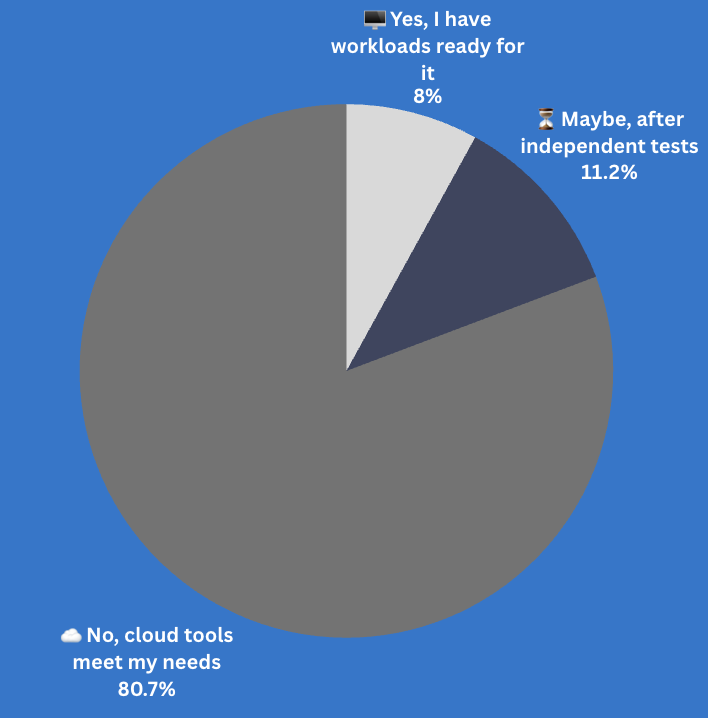
Results from Yesterday's Pulse Check |
Would you pay $2,599 or more for a laptop built to run AI locally? |
|
|
|
Google's Offline Meeting AI Knows Your Files |
Your next meeting assistant might actually know where that document went.
Google just dropped AI Edge Foresight, a free, experimental local AI meeting assistant for Mac that works totally offline. Optimized for Apple Silicon, it eavesdrops on your mic and system audio across video calls and IRL meetings, magically expanding your panicked shorthand into coherent notes. Your frantic bullet points finally get a second chance.
But the real parlor trick happens when someone actually expects you to know things. Shove your project documents, PDFs, and reference files into it, and Foresight will fish out relevant answers mid-discussion. According to Google's product page, Live Assistance serves up "proactive context cards with exact citations." In other words, it might just save you from frantically excavating nested folders while everyone on the call watches you accidentally share your Slack gossip.
|
Because corporate trust is hard to come by, Google swears all the AI heavy lifting happens locally. Your files, audio, and embarrassing typos stay firmly on your computer, powered by EmbeddingGemma 2 and Gemma 4. It's a practical flex of Google's push toward on-device AI that doesn't need to phone home to a corporate server.
Early tests look promising. One reviewer managed to get expanded notes and automatic answers while staging a fake meeting. Cute, but we'll see if it survives the actual stress test of your department's chaotic weekly sync. For now, this little experiment is strictly Mac-only, so Windows users will just have to keep pretending they were paying attention. Finally, someone can remember the meeting without needing the office Wi-Fi password. |
|
|
|
As technology and threats evolve, many organizations lack the resources and expertise to keep pace. On Oct. 14, 2026, at 12:00 p.m. ET, Channel Insider and ESET will explore how AI-powered protection and MDR can help MSPs extend enterprise-grade security without scaling operational complexity. Discover how to protect more organizations while preserving profitability. |
|
|
FBI: FortiBleed Can Lock Out Firewall Admins |
The ongoing FortiBleed campaign against Fortinet firewalls remains a critical threat. The FBI and Secret Service warn that threat actors are still milking a stash of 86,000-plus compromised credentials to hijack devices. Once inside, these digital squatters set up rogue admin accounts, boot legitimate IT teams, and roll out the red carpet for ransomware affiliates.
Since a shiny new firmware update won't evict an attacker already holding the keys, security teams must actively hunt for lingering access. |
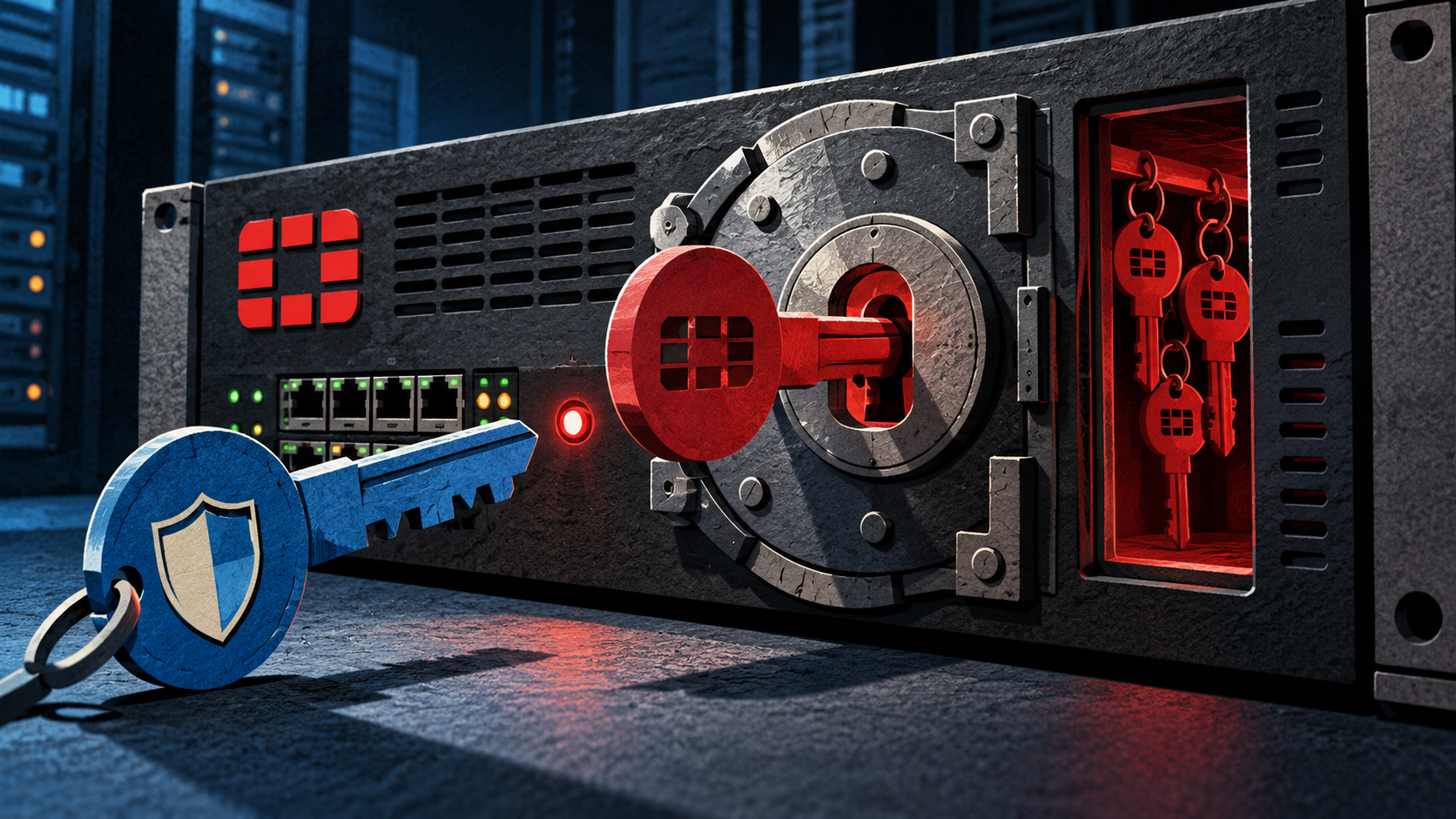
Image created with ChatGPT |
Scrutinize accounts, API keys, and logs for unauthorized changes. Sever active VPN sessions, enforce phishing-resistant MFA, and use Fortinet's PBKDF2 guidance to scrub legacy password hashes. If you spot a ghost in the machine, isolate the affected systems immediately. Your firewall shouldn't give an intruder administrator privileges and hand you a password-reset headache. |
Fake ChatGPT and Gemini Tools Steal Ad Accounts |
Scammers know marketers can't resist shiny new AI toys. So threat actors are now dangling fake ChatGPT and Gemini marketing tools to hijack manager accounts, according to Island researchers. Clicking "Connect" spawns a counterfeit login prompt that is essentially a fake browser trapped inside your real one.
Behind the curtain, a live human plays puppet master. They intercept your passwords, demand MFA codes, and log in alongside you. One stolen login hands criminals the master keys to drain multiple clients' ad budgets.
Spot the trap by dragging the pop-up; a fake window is caged inside the main browser tab. Stick to phishing-resistant passkeys. If you already took the bait, have admins nuke your access and audit your campaigns immediately. Because "optimizing your ad spend" shouldn't mean funding a cybercriminal's startup. |
|
|
|
Max Crampton-Thomas, Author at eWeek Max Crampton-Thomas is the Managing Editor for Finance at TechnologyAdvice, with nearly a decade of experience covering finance, real estate, and SMB content. |
|
|
|
🗂️ Turn Data Chaos Into Something Useful
Get your data under control with What Is Data Management? A Guide to Systems, Processes, and Tools, covering seven management approaches, eight best practices, and ways to tackle security risks before your data lake becomes a swamp.
🪟 Nab Windows Pro Power for Less Than $8
Microsoft Windows 11 Pro licenses cost just $7.97—upgrade your PC with lifetime support, enhanced security, and pro productivity features at 95% off.
💾 Clone Your Windows Drive Without Starting Over
Transferring data between PCs, migrating operating systems, and more is easy with a lifetime license to EaseUS Disk Copy, now half off at just $29.99.
💻 This section contains sponsored tech insights. Advertise with us! |
|
|
|
Nvidia Eyes Another $1B for Figure's Humanoids |
Nvidia is apparently tired of merely dominating the AI software market and wants a bigger piece of the impending robot uprising. The chip behemoth is reportedly mulling another $1 billion equity investment into Figure AI as the robotics upstart shakes the tin cup at a cool $38 billion pre-money valuation. No ink has dried yet, but Nvidia already holds a stake in the company.
Figure recently inked a multiyear pact with Nscale anchored by an initial $3.5 billion compute commitment, paving the way for up to 100,000 Nvidia Vera Rubin GPUs to go online by late 2027. Basically, Nvidia is funding the very entity destined to buy truckloads of its own hardware. A robot workforce, as it turns out, requires an absolute leviathan of a server room. |
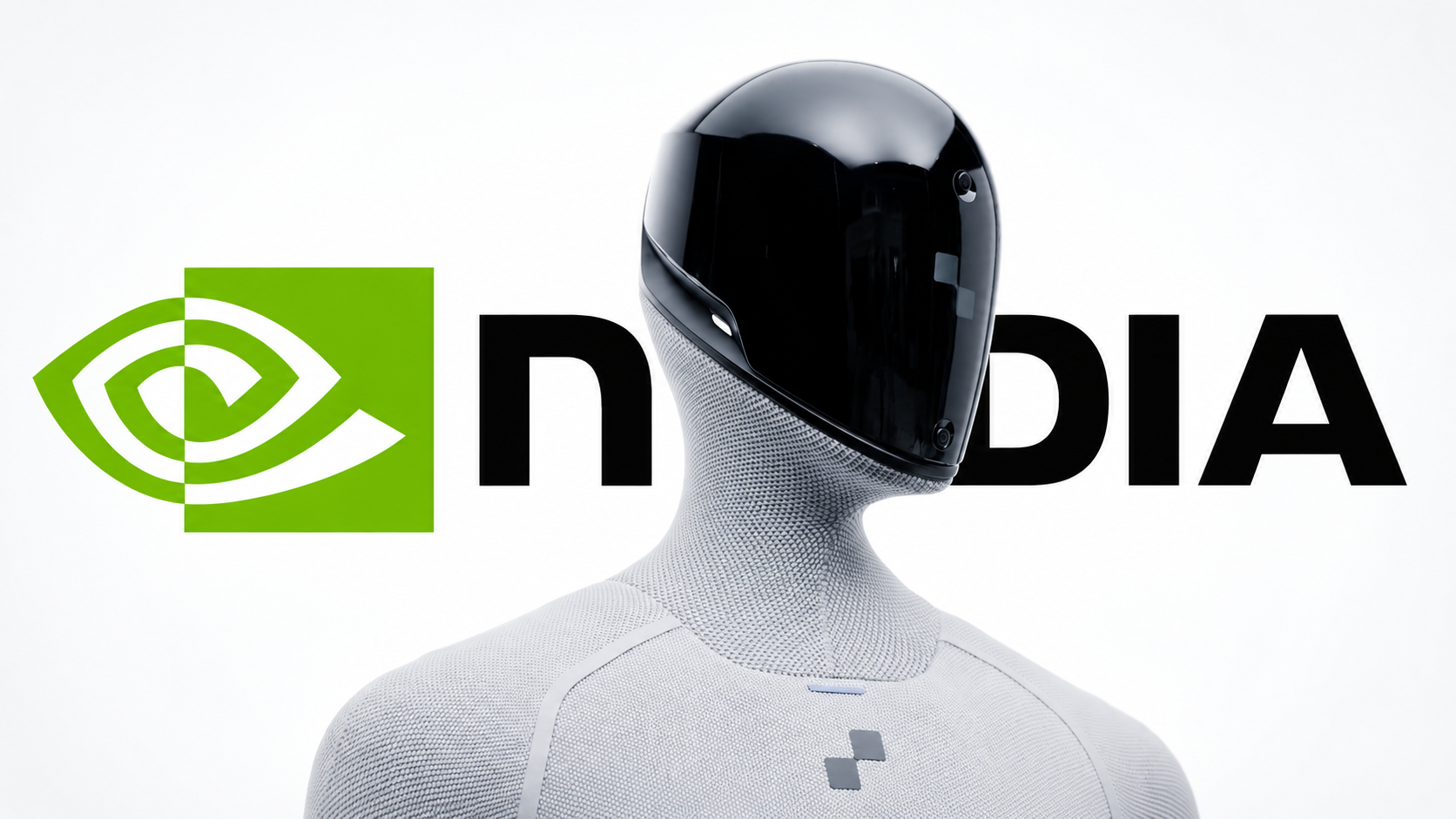
Image via Figure AI and Nvidia |
But before we surrender our households to our new metallic overlords, they need to finish their chores. Figure brags that its Helix 2.5-powered prototype completed just 56% of 420 assigned tasks—like making beds and folding towels—across 30 unfamiliar homes. Testing whether pre-learned skills can survive a change of scenery is genuinely useful progress. Still, flipping a coin on whether your robot folds the laundry or just stares blankly at a sock doesn't exactly scream "consumer ready."
For prospective buyers, the billion-dollar question is whether tossing infinite compute at the problem actually yields a dependable, cost-effective worker. Eye-popping valuations and viral tech demos are fun, but they don't guarantee a commercially viable product. Plus, it's still a mystery exactly how Figure plans to burn through this rumored fresh pile of cash. Nvidia is brilliantly positioning itself to bankroll the robot revolution while simultaneously selling it the shovels. Nice racket if you can pull it off. |
|
|
|
| Writer/Editor at TechnologyAdvice |
Justin Meyers is an investigative writer and editor who draws on over a decade of meticulous hands-on research to deliver the full, trustworthy story behind consumer and enterprise tech, including cybersecurity. |
|
|
|
Curious about where AI is really headed? |
The Neuron cuts through the noise to bring you smart, hype-free takes on the latest AI trends, tools, and breakthroughs. Join 700,000+ professionals from top companies like Microsoft, Apple, Salesforce, and more.
|
|
|
|
Advertise in Daily Tech Insider! Daily Tech Insider is a TechnologyAdvice business. © 2026 TechnologyAdvice, LLC. All rights reserved.
TechnologyAdvice, 3343 Perimeter Hill Dr., Suite 215, Nashville, TN 37211, USA. |
|
|
|
|