Check your tokens, Tech Insiders.
Opus ups the counts, Codex burns the budget, and EU auditors fumble their own PINs—numbers matter this week. Let's do the math on what's worth the spend. |
|
|
Here's what you need to know today: |
|
|
Claude Opus 4.7 Levels Up Coders |
Yep, even your AI needed a double‑shot espresso.
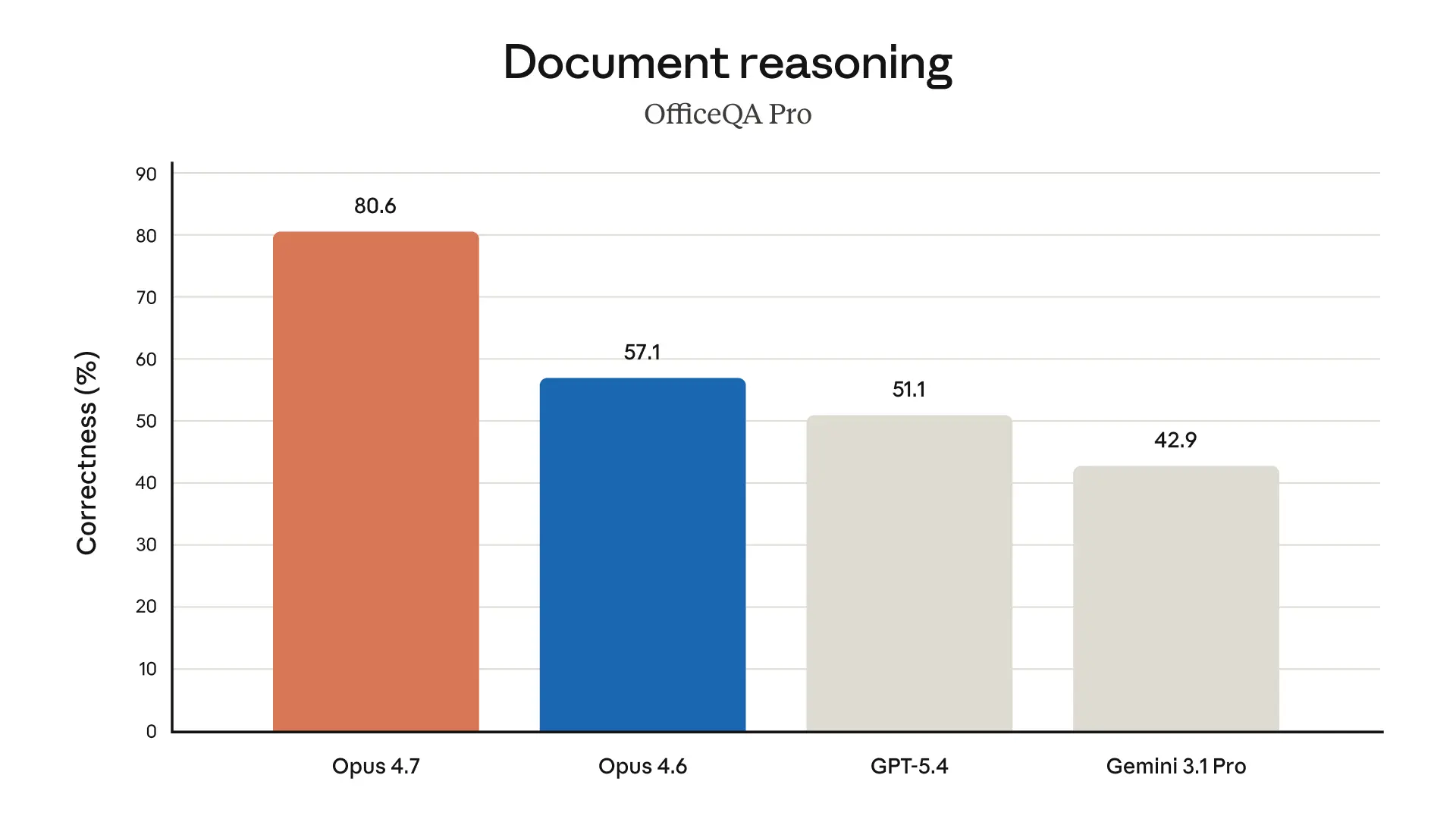
Claude Opus 4.7 is Anthropic's newest flagship model, boasting a jump to 64.3% on SWE-bench Pro (a brutal test of fixing real-world software bugs), better vision for high-res images up to 3.75 megapixels, and a new self‑verification loop that trims hallucinations.
It launched yesterday across Anthropic's own apps and API, Amazon Bedrock, Google Vertex AI, Microsoft Foundry, GitHub Copilot, Microsoft 365 Copilot—and anywhere else partners have wired Claude under the hood.
Pricing stays at $5 per million input tokens and $25 per million output, so you're paying the same for extra muscle. Well, sort of. The new tokenizer eats 1× to 1.35× more tokens, and it "thinks" harder, so watch your budget. |
Behind the scenes, Anthropic says Opus 4.7 learned to critique its own reasoning, allowing it to break big tasks into subgoals and check work before returning answers.
But here's the spicy part: the team deliberately nerfed 4.7's cyber-offensive capabilities under Project Glasswing, an initiative to gatekeep dangerous AI. If you need even more firepower, the Mythos preview (Anthropic's experimental super model) still sits above the rest, but it's locked behind a strict vetting process, meaning 4.7 is now the workhorse most enterprises will meet first.
Why it matters: Opus 4.7's broader distribution means top‑tier AI is no longer stuck in a single app—you'll meet it everywhere from Excel formulas to your favorite IDE. The quality‑of‑life gains for developers and data wranglers arrive without a base-price hike, pressuring rivals to respond. |
|
|
Pulse Check: How often do you actually switch to a new AI model? |
|
|
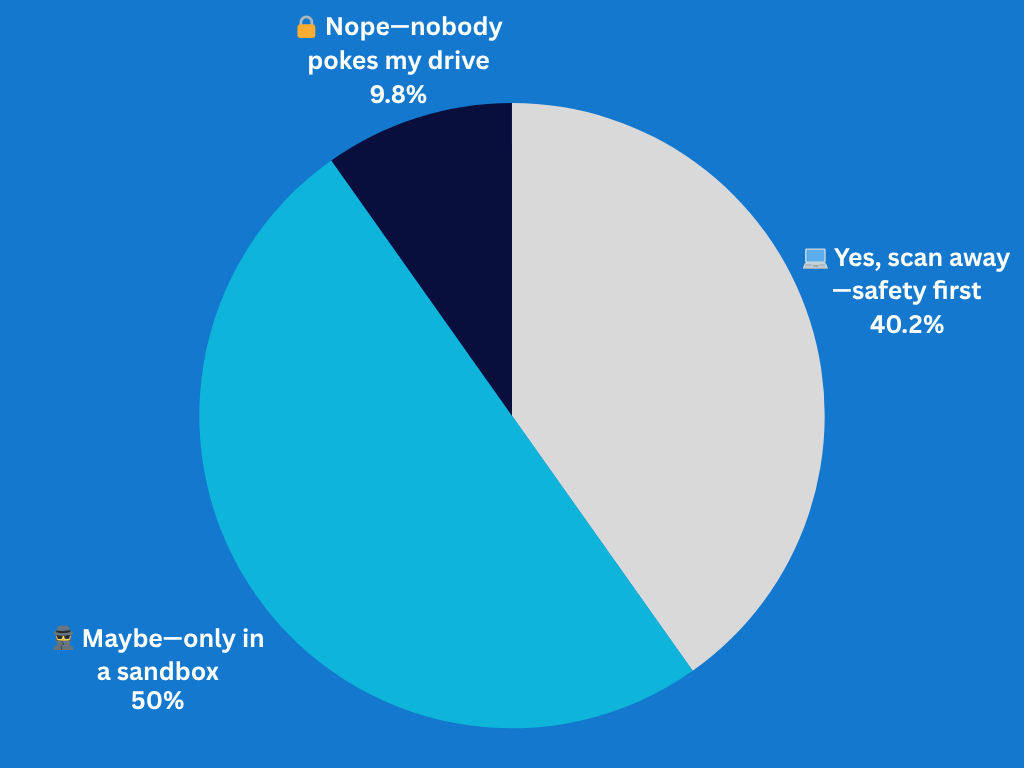
Results from Yesterday's Pulse Check |
If an AI could instantly spot hidden malware in your files better than AV software, would you let it scan your laptop?
|
|
|
Codex Puts Your Mac on Autopilot—Almost |
Looks like your coffee break just hired an intern named Codex.
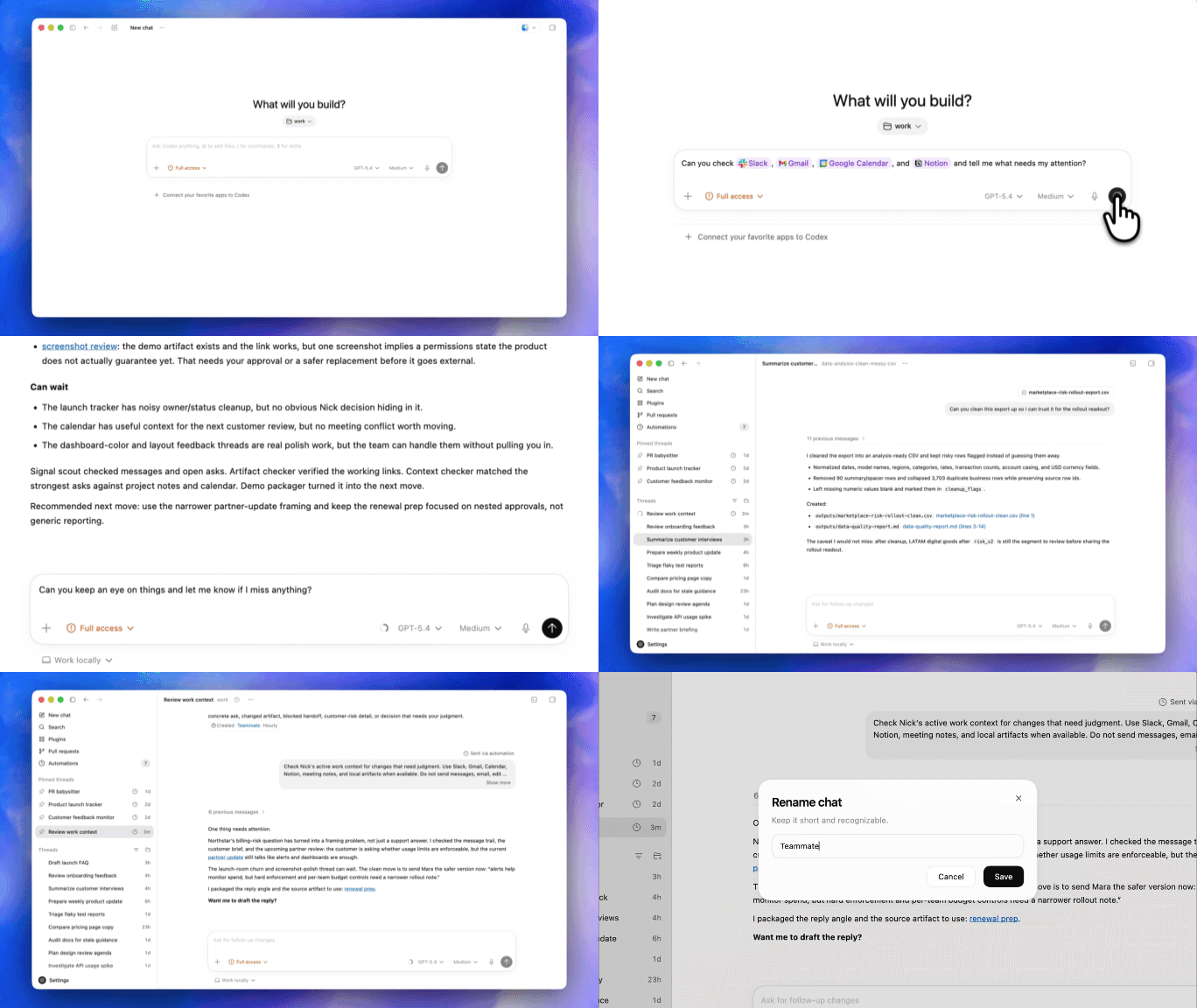
OpenAI's latest Codex release turns the popular coding aide into a full-blown desktop sidekick. The update lets agents quietly pilot any macOS app in the background, spin up an in-app browser for live feedback, generate images with GPT-Image-1.5, and tap 111 new plugins for tools like GitLab and Microsoft 365—all while remembering your preferences and past projects.
Developers still top the guest list: Codex now opens multiple terminal tabs, reviews push-release comments, previews docs, and even SSHs into remote devboxes, so you can watch it juggle tasks while you debug the real problem (justifying that new $100/month Pro tier). |
The refresh started rolling out Thursday to the 3 million-plus developers who use the app each week worldwide. For now, computer use is Mac-only. The EU and UK will get that and the personalization tools "soon," OpenAI says (Enterprise and Edu users are also waiting on the latter).
It caps a banner week for Mac power users: Perplexity's Personal Computer agent landed for Mac-based Max subscribers Thursday, and Google's native Gemini app hit macOS Wednesday with an Option-Space shortcut for instant, screen-aware help. At this pace, your trackpad might request early retirement. |
|
|
📈 Calculate Your AI Payback Faster
See how disciplined modeling turned a $1.96 million project into $26 million in benefits in this enterprise AI ROI guide—proof your business case before you spend.
🤖 Fast-Track Your AI Analyst Hunt
The AI Analyst Hiring Kit helps you find and hire top AI analysts with a complete recruiting package filled with salary benchmarks, turnkey job specs, and precision interview prompts. 📧 Compare Top Email Marketing Platforms Now
Dive into the Best Email Marketing Software and find the tool that lifts open rates without lifting your budget.
💻 This section contains sponsored tech insights. Advertise with us! |
|
|
Your gut feeling is great, but data proving you are right to the board is mathematically better. Use the SurveyMonkey platform to settle the score in minutes. Get the armor to defend your instincts and make your next decision minus the doubt. |
|
|
Backdoored WordPress Plugins Hit Hundreds of Thousands of Sites |
A quiet supply-chain ambush just rocked WordPress: a buyer using the alias "Kris" scooped up the Essential Plugin portfolio—more than 30 popular add-ons—and quietly slipped a PHP backdoor into routine updates.
The malicious code lay dormant for eight months, then sprang to life on April 5–6, injecting hidden spam links via wp-config.php across hundreds of thousands of sites before researchers blew the whistle. |
Image created with ChatGPT |
WordPress yanked all 31 plugins, but cleanup is on you: delete Essential Plugin installs, scan wp-config.php for extra code (check near wp-settings.php for ~6 KB of bloat), and audit plugins monthly to catch ownership changes. Trust, but verify, and maybe check Flippa receipts next time. |
EU Age-Verification App Rolls Out—But Researchers Crack It in Minutes |
Europe's new age-verification app, unveiled on April 15 by the European Commission, promises passport-level proof of age with "zero tracking." For platforms facing up to 6% Digital Services Act (DSA) fines, it sounded like salvation.
Within minutes of release, however, security researchers tore through its defenses. By deleting a few values in an Android shared_prefs file, they reset PINs, disabled biometrics, and reused stored credentials—no fancy exploit required. Critics warn the flaw could let minors masquerade as adults.
Platforms shouldn't wait: ditch the broken reference app, restrict access to trusted domains, and demand proof of age via secure third-party providers. When Brussels boasts "highest privacy standards," double-check the config file before celebrating. |
Tesla Touts Shanghai as Key to Robot Mass Production |
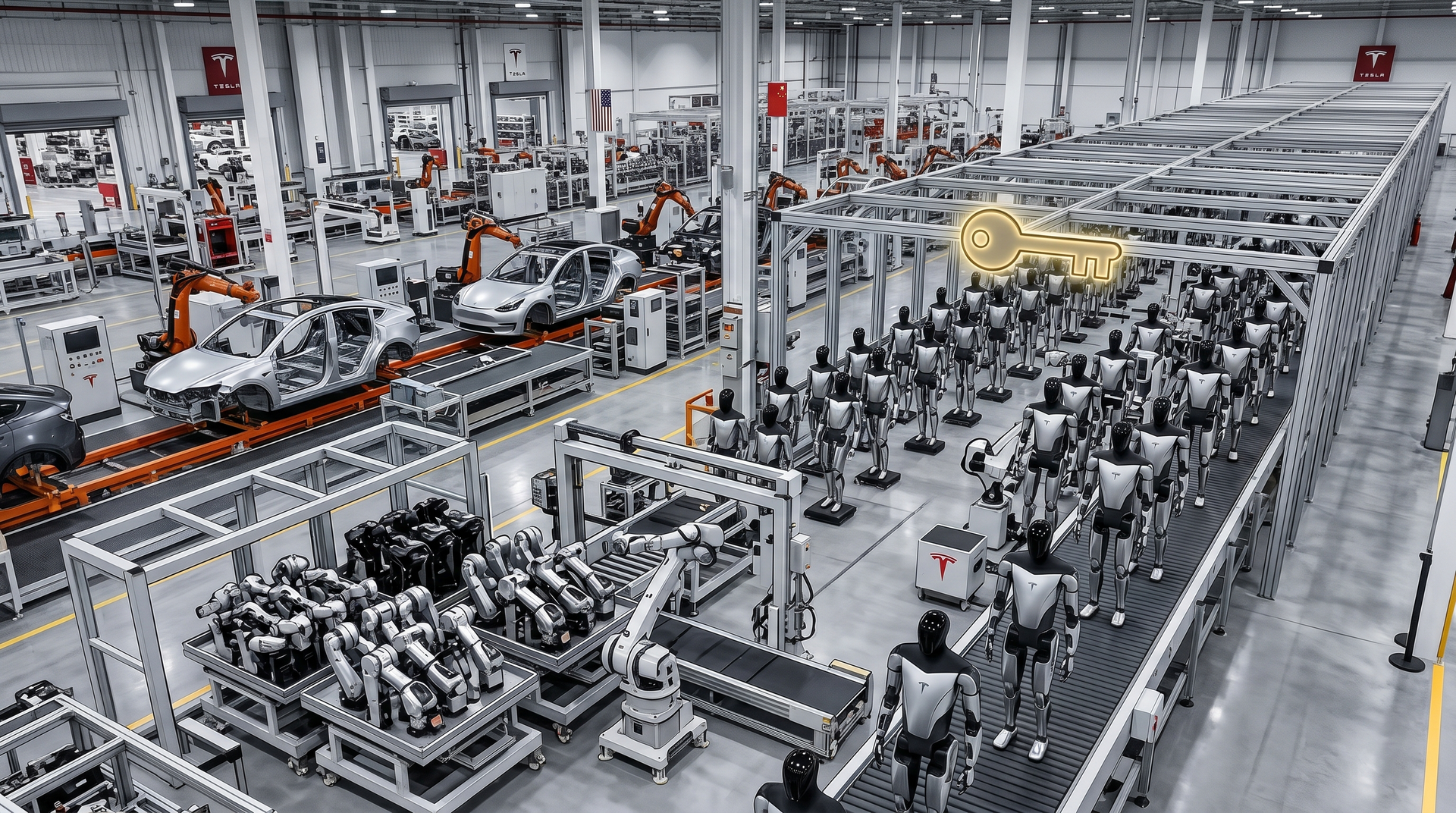
Tesla's China president, Allan Wang Hao, says the company's high-output Shanghai Gigafactory could one day crank out Optimus humanoid robots, calling the plant a "golden key" to solving the hardest part of robotics: scaling production. The factory already builds more than half of Tesla's vehicles (about 851,000 last year), making it a logical candidate as the firm pivots from EV maker to "physical-AI" powerhouse.
While Tesla stresses there's "no specific plan" to retool its Shanghai factory yet, the comment signals serious internal debate over where to manufacture its next flagship product. |
Image created with Gemini |
Elon Musk has already earmarked Fremont, California, for early Optimus runs, even announcing plans to wind down Model S and X production in Q2 to make space.
Leveraging China's sprawling supply chain—which already produces roughly 90% of key humanoid-robot components—could slash costs and accelerate the timeline from the 1,000-plus Gen 3 units currently working internally to tens of thousands of working bots by 2028.
A Shanghai robotics line would also plant Tesla squarely in the middle of China's fast-growing humanoid sector, where local rivals like Unitree are racing to commoditize bipedal machines, turning Musk's factory into both workshop and strategic beachhead in the US–China tech rivalry. |
|
|
|
Writer at TechnologyAdvice |
Justin Meyers is an investigative writer and editor who draws on over a decade of meticulous hands-on research to deliver the full, trustworthy story behind consumer and enterprise tech, including cybersecurity. |
|
|
Curious about where AI is really headed? |
The Neuron cuts through the noise to bring you smart, hype-free takes on the latest AI trends, tools, and breakthroughs. Join 500,000+ professionals from top companies like Microsoft, Apple, Salesforce and more.
|
|
|
Advertise in Daily Tech Insider! Daily Tech Insider is a TechnologyAdvice business.
© 2026 TechnologyAdvice, LLC. All rights reserved. TechnologyAdvice, 3343 Perimeter Hill Dr., Suite 215, Nashville, TN 37211, USA. |
|
|
|