Hear this, Tech Insiders.
AI is finding its voice while regulators try to verify yours—the week's headlines span OpenAI's chatty models to the FCC's de-anonymizing paperwork parade. Ready to hear the signal over the noise? |
|
|
|
Here's what you need to know today: |
|
|
| OpenAI's GPT-5 Voice Models Debut |
Siri's and Alexa's resumes are suddenly looking a little thin.
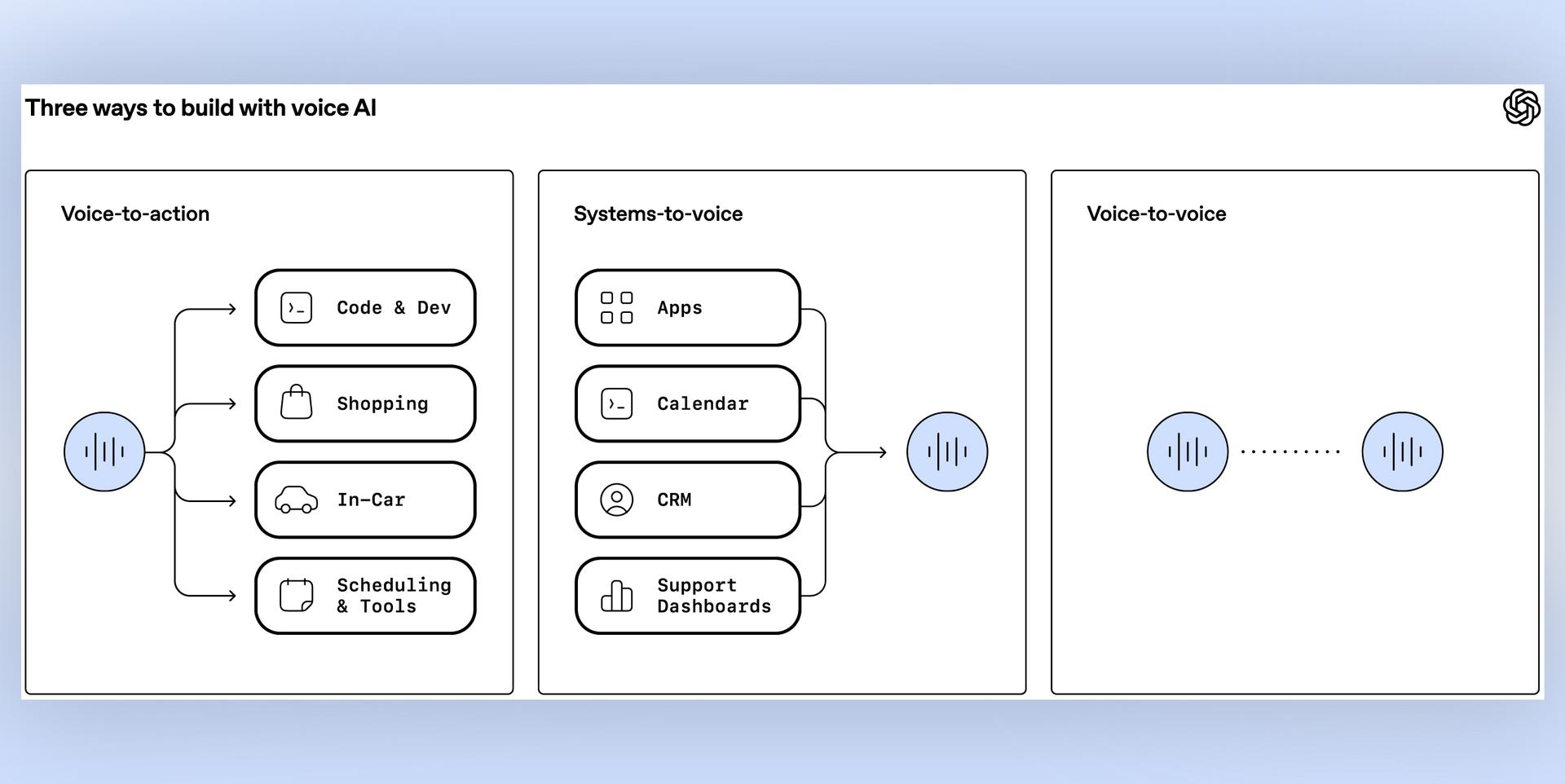
OpenAI recently rolled out three real-time audio models—GPT-Realtime-2, GPT-Realtime-Translate, and GPT-Realtime-Whisper—bringing GPT-5-class reasoning, live translation, and streaming transcription to its Realtime API.
GPT-Realtime-2 is the star. It listens, thinks, and speaks in one loop, lets devs dial its "reasoning effort" up or down to balance brains and latency, can call multiple tools simultaneously, drops quick preambles like "let me check that," and remembers up to 128K tokens of chat history. The meter runs at $32 per million audio input tokens (cached tokens are a mere $0.40, while audio output costs double to $64).
|
Billed at $0.034 and $0.017 per minute, respectively, GPT-Realtime-Translate turns 70-plus input languages into 13 output tongues in real time, while Realtime-Whisper spits out text as you speak. Zillow, Priceline, Deutsche Telekom, and Vimeo are already baking the trio into home-hunting, travel, support, and captioning apps.
By unbundling reasoning, translation, and transcription, OpenAI is taking aim at rival voice stacks and hoping to end the viral timer-fail memes. Built-in guardrails can pause shady chats, and EU data-residency options calm compliance nerves. Why it matters: Voice just moved from party trick to power tool. If these models behave in the wild, your next customer-service call, hotel booking, or meeting recap could be handled by an AI that understands nuance, multitasks midsentence, and answers in whatever language you throw at it—no waiting for the beep. |
|
|
|
Would you trust an AI voice agent to handle your everyday calls? |
|
|
|
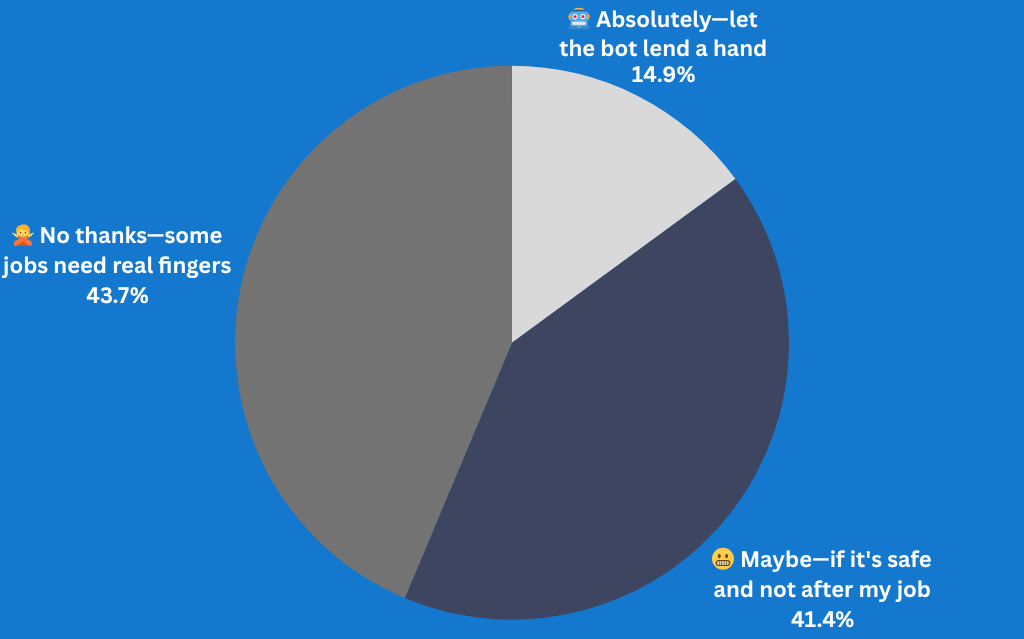
Results from Yesterday's Pulse Check |
Would you trust a robot with human-level hand skills in your workspace? |
|
|
|
Apple Taps Intel for Device Chips |
Intel just got a golden ticket back into Cupertino's chocolate factory.
Apple and Intel have hammered out a preliminary manufacturing pact that would see Intel produce at least some Apple-designed processors, according to multiple reports released late last week.
The move would give Apple a second source beyond Taiwan's TSMC—whose capacity is stretched so thin by the AI chip boom that Tim Cook recently blamed them for iPhone 17 and Mac supply shortages—and placate Washington's push to bring advanced semiconductor production onto US soil. President Trump, whose government now owns a 10% stake in Intel, even personally pitched Intel to Cook at the White House.
For Intel, landing Apple is a credibility stamp for CEO Lip-Bu Tan's foundry turnaround: shares jumped 15% on Friday, extended their rally Monday, and are now up more than 230% this year as its new Arizona fab ramps its advanced 18A chip production. |
Image created with ChatGPT |
Details remain fuzzy. Insiders say Intel may start with lower-end M-series silicon once a cleaner 18A-P manufacturing process is ready, but Apple could still court Samsung for additional capacity.
Either way, Apple gains leverage over TSMC pricing, Intel gains a marquee customer, and the US government gets the on-shore chips it lobbied for. Somewhere, ARM is munching popcorn to see which fab blinks first. |
|
|
|
📝 Share Your Tech Insights, Win Rewards
Help shape future TechRepublic coverage by taking our quick 5-minute audience survey. Share your insights on technology trends, purchasing decisions, and the content that matters most—plus enter for a chance to win a gift card.
📧 Compare Top Email Marketing Platforms Now
Dive into the Best Email Marketing Software and find the tool that lifts open rates without lifting your budget.
🌐 Unlock Global Streaming for Life Grab OysterVPN: VPN Lifetime Subscription for $29.99—85% off—to stream geo-blocked shows on 10 devices with AES-256 privacy. 💻 This section contains sponsored tech insights. Advertise with us! |
|
|
|
Incomplete data leads to incomplete decisions. Without location context, even the most advanced analytics can produce misleading results.
DZone and Precisely present Back to Basics: Smarter Decisions with AI-Ready Location Intelligence, happening May 19, 2026, at 1:00 p.m ET. Learn how enriched location data helps teams improve accuracy, align insights, and act faster. Make your data more reliable and your decisions more precise.
|
|
|
|
AI-Built Zero-Day Foiled by Google |
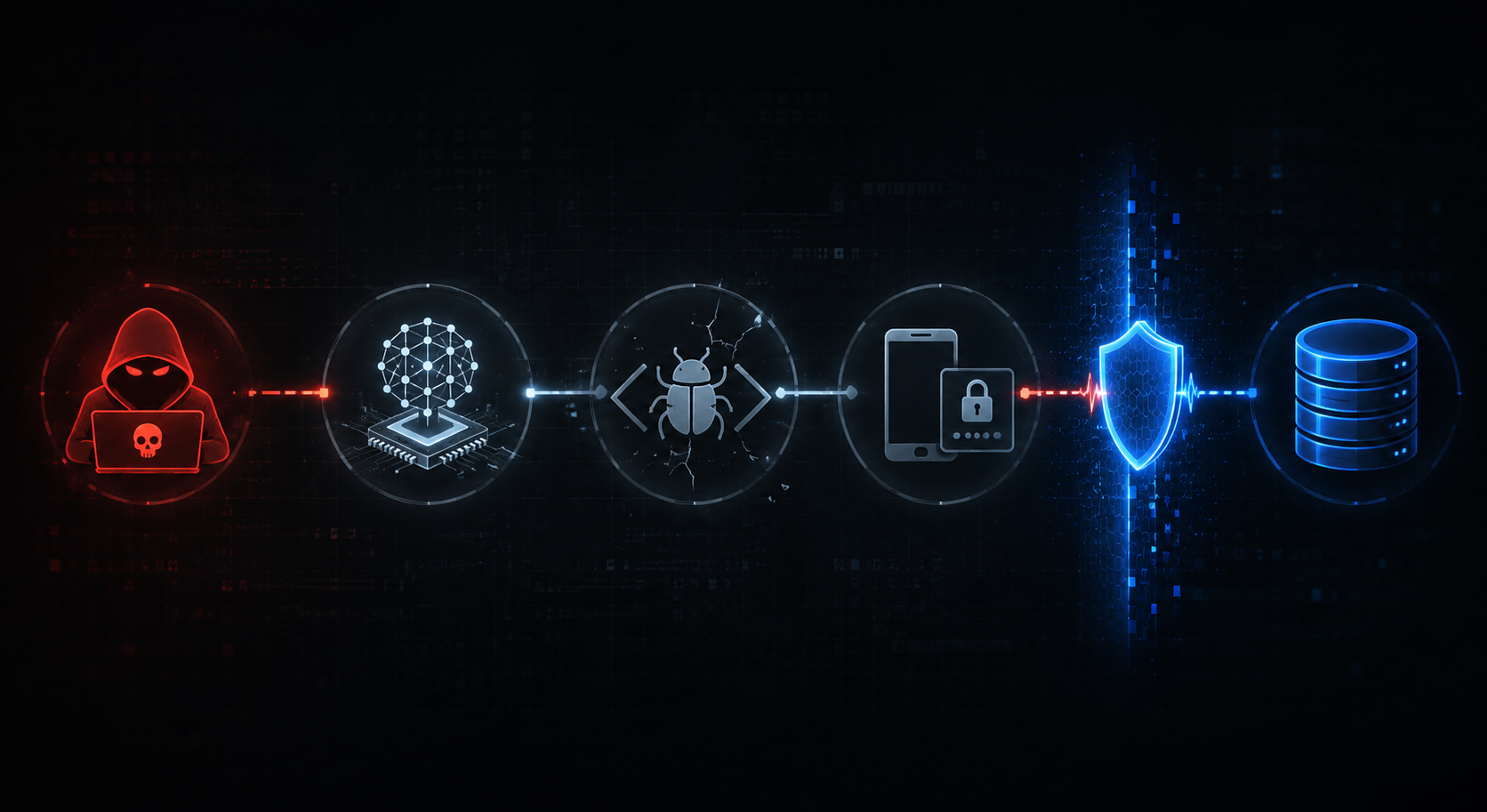
Image created with ChatGPT |
Crucially, the exploit still requires valid credentials. But this is hard proof that AI-driven bug hunting has moved from theory to practice.
Since Google kept the tool anonymous, admins can't just update it. Instead, secure your admin passwords, comb logs for 2FA-bypass attempts, and expect more machine-made exploits soon. Even the bugs have chatbots now. |
Dirty Frag Root Bug Hits Linux Again |
A fresh zero-day dubbed Dirty Frag, a nasty sequel to last month's Copy Fail, chains two nine-year-old kernel slips for an instant root shell (and potential container escape) on nearly every major Linux distro.
Both the ESP (IPsec) piece (CVE-2026-43284) and the companion RxRPC (remote networking) flaw (CVE-2026-43500) now have upstream patches. The exploit code is public and reportedly active in the wild.
If you haven't updated yet, block the vulnerable esp4, esp6, and rxrpc networking modules or disable unprivileged user namespaces (which only stops the ESP variant)—though this breaks IPsec VPNs and the Andrew File System (AFS). Otherwise, apply the weekend's distro patches and reboot.
Because nothing says "Tuesday fun" like pulling an emergency kernel patch. |
FCC ID Rule Could Kill Burner Phones |
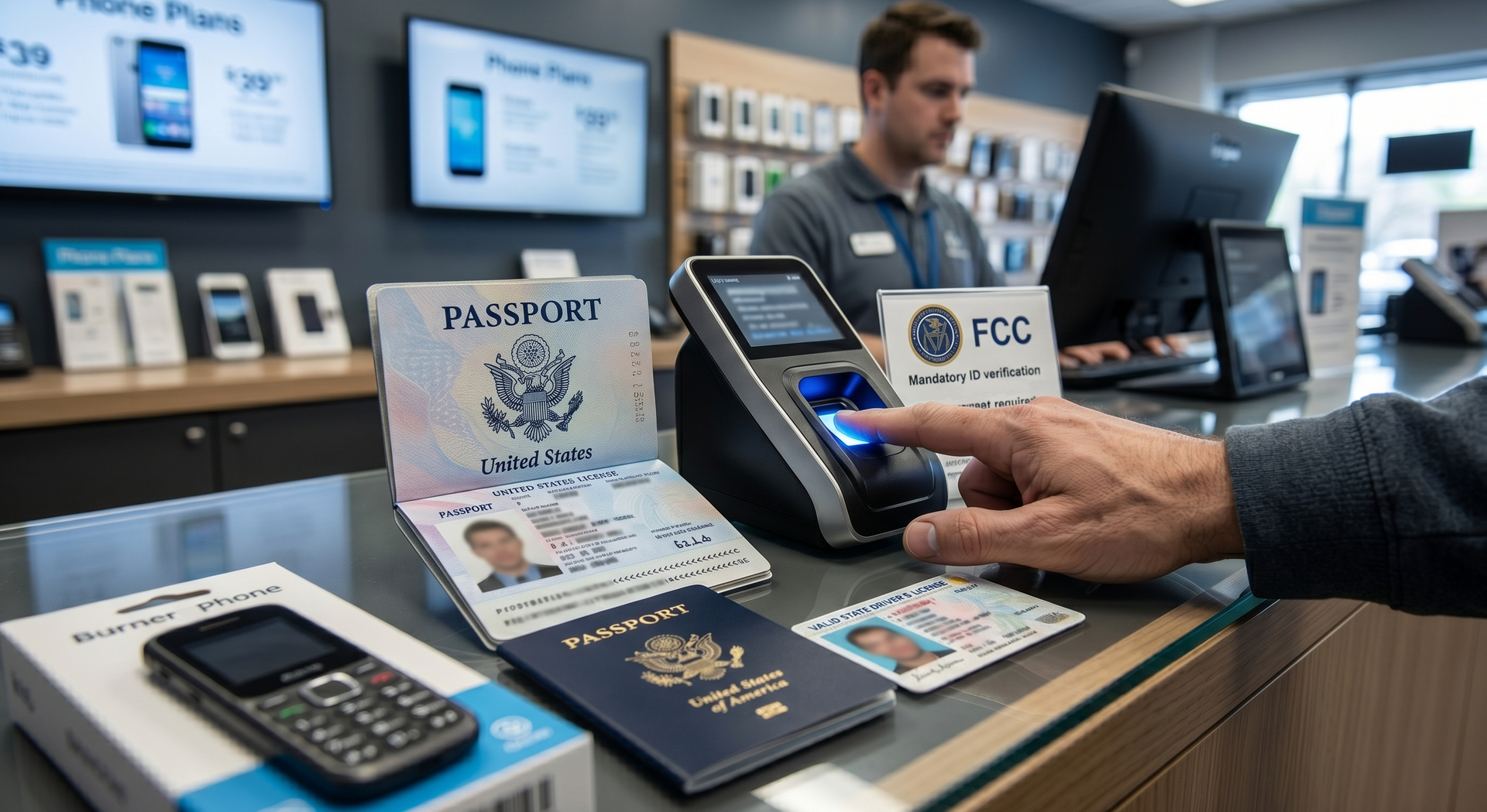
Image created with Gemini |
Privacy groups warn the cure shreds anonymity: prepaid burner phones, domestic-violence hotlines, and whistleblower lines would all need traceable ID, with data stored for four years and cross-checked against law-enforcement watchlists.
Furthermore, paying with cryptocurrency, using a virtual office, or providing a "suspicious" email address could trigger federal red flags.
The proposal is open for public comment now; final rules may arrive in 2027, and telecoms say the compliance burden is likely to be passed on to customers. Spam calls may be annoying, but handing over your passport and submitting to PATRIOT Act-style screening just to buy a SIM feels like dystopian overkill. |
|
|
|
| Writer at TechnologyAdvice |
Justin Meyers is an investigative writer and editor who draws on over a decade of meticulous hands-on research to deliver the full, trustworthy story behind consumer and enterprise tech, including cybersecurity. |
|
|
|
Curious about where AI is really headed? |
The Neuron cuts through the noise to bring you smart, hype-free takes on the latest AI trends, tools, and breakthroughs. Join 500,000+ professionals from top companies like Microsoft, Apple, Salesforce and more.
|
|
|
|
Advertise in Daily Tech Insider! Daily Tech Insider is a TechnologyAdvice business. © 2026 TechnologyAdvice, LLC. All rights reserved.
TechnologyAdvice, 3343 Perimeter Hill Dr., Suite 215, Nashville, TN 37211, USA. |
|
|
|
|