Trim the fat, Tech Insiders.
From Apple's model-shrinking sorcery to Microsoft's monster patch diet, everyone's counting bytes and bugs this week. Grab a (digital) salad fork; your tech is about to get portion-controlled. |
|
|
|
Here's what you need to know today: |
|
|
| OpenAI Plans ChatGPT Speaker With Moving Personality |
"Alexa, meet your hyperactive cousin."
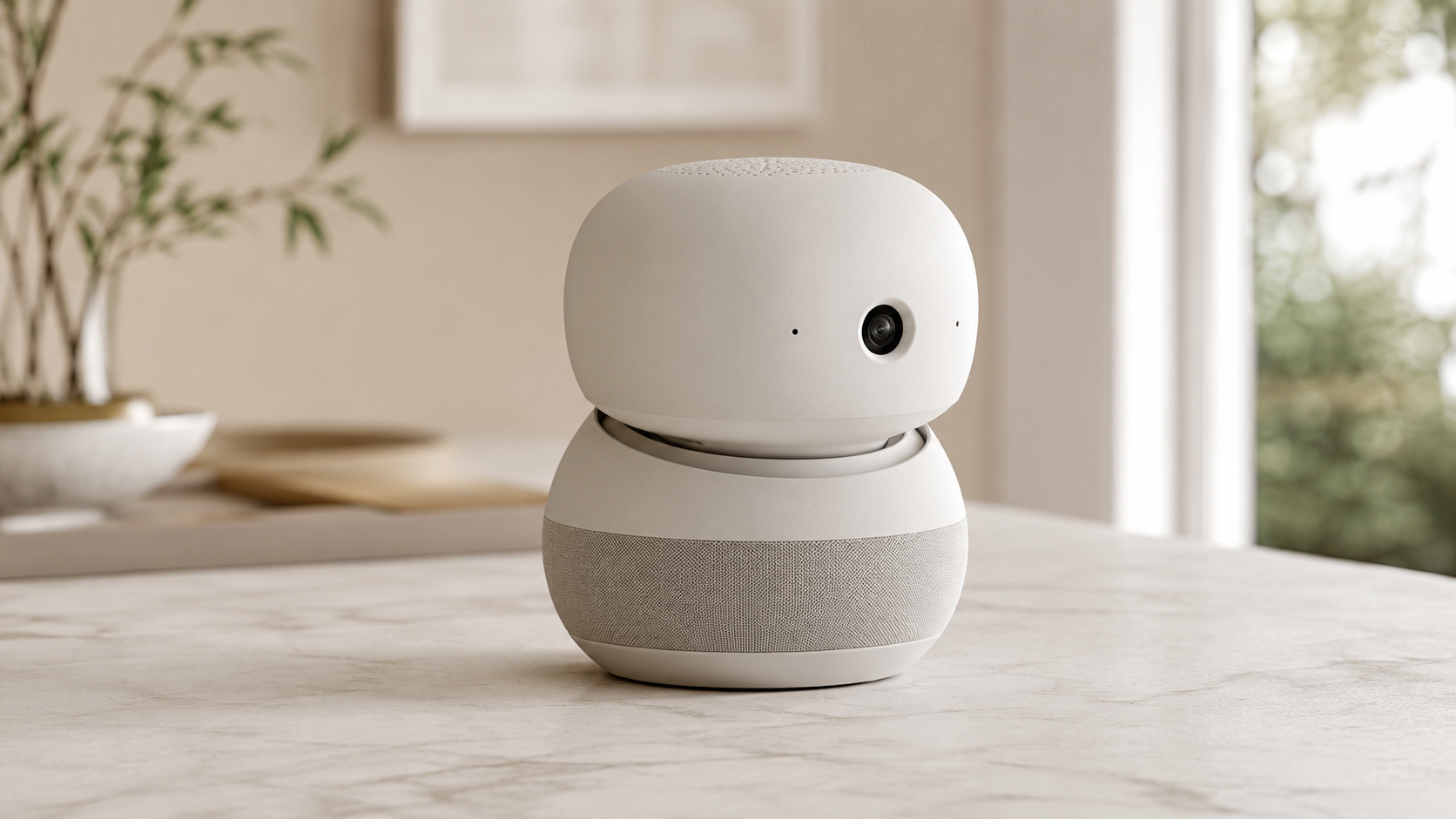
OpenAI's first major consumer gadget is reportedly a portable, screen-free smart speaker built to act as a "humanlike AI companion." Designed with Apple alum Jony Ive, it comes complete with cameras, microphones, environmental sensors, and mechanical parts that wiggle so the device feels alive.
Instead of just waiting for wake words, the battery-powered speaker could be easily carted from room to room, would use the upgraded GPT-Live voice model to chat in real time, and would learn its owner's habits by dipping into emails. Reports say the system is meant to anticipate needs before you ask. |
AI-generated rendering of a screenless speaker; created with ChatGPT |
Shipments aren't expected until 2027, with an estimated price tag of $200–$300. Earlier rumors pointed to an OpenAI smartphone, but as we covered in a February scoop that tipped a camera-equipped smart speaker, the company has picked a mainstream home act.
All of it unfolds under the shadow of Apple's trade-secret lawsuit, which could delay the launch.
Privacy watchdogs are already circling: a constantly recording, mobile microphone-and-lens device raises bigger questions than today's stationary smart speakers about where footage lives and who hears your laundry room pep talks. Why it matters: If OpenAI can pull this off, ChatGPT graduates from browser tab to physical roommate. But a gadget that watches, listens, and moves will test just how much intimacy consumers are willing to trade for convenience.
|
|
|
|
|
Also this week: While the smart speaker is still on the horizon, OpenAI did launch a piece of hardware today: the Codex Micro. Built with keyboard maker Work Louder, it's a $230 customizable macropad with a joystick, a dial, and six light-up mechanical keys designed specifically for power users of its Codex AI coding agent. |
| |
|
Would you trust a camera-equipped smart speaker in your home? |
|
|
|
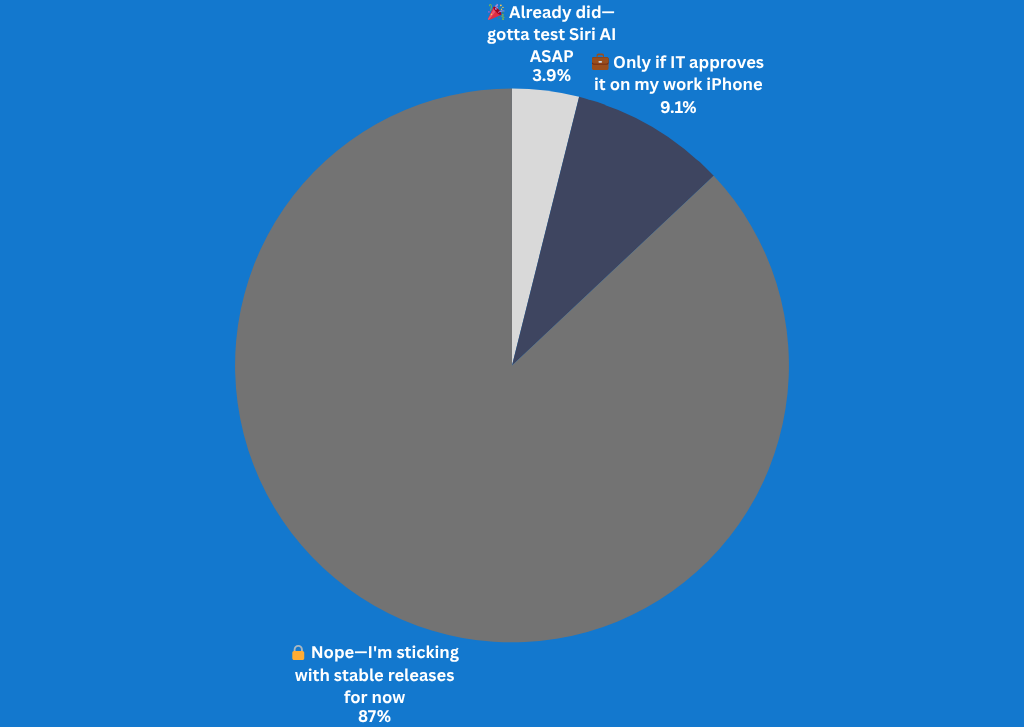
Results from Yesterday's Pulse Check |
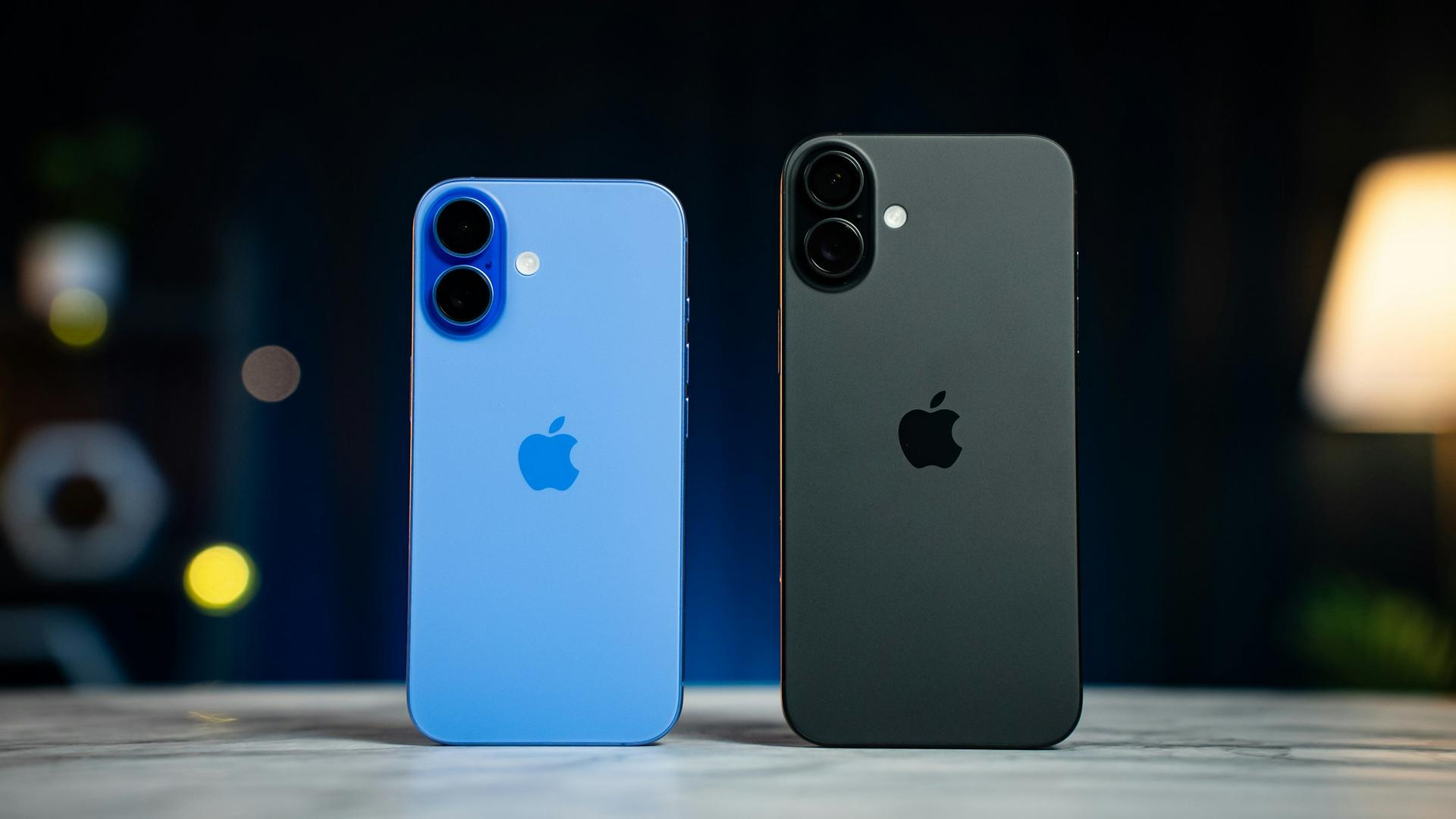
Will you install iOS 27's public beta on your iPhone? |
|
|
|
Apple Tests PrismML to Turbocharge On-Device AI |
Apple is quietly evaluating PrismML's Bonsai 27B compression toolkit, which shrinks Alibaba's 54 GB Qwen large language model to under 4 GB, allowing it to run entirely on an iPhone 15 or newer, according to a CNBC report earlier this week.
The Caltech spinout says its 1-bit and ternary weight schemes retain roughly 90–95% of full-precision accuracy while using up to 15× less memory, generating responses 6–8× faster, and drawing 3–6× less power. That could let future Siri or Apple Intelligence calls stay local, cutting latency, cloud bills, and privacy worries. |
Discussions are still early. Apple declined to comment, and skeptics note Cupertino already distills Google Gemini for its cloud AI, while relying on its own sparse architecture for on-device tasks. Some analysts even suggest PrismML is just talking up the talks to lure investors.
Yet if the math holds, Apple might unlock bigger multimodal agents, offline vision tools, and laptop-class coding on a phone, while shifting some AI chip demand from data centers back into consumers' pockets. Memo to battery: start doing push-ups. |
|
|
|
|
The ultimate synergy: In a massive regulatory win, Apple Intelligence just cleared its final hurdle to launch in mainland China by partnering with local tech giants Baidu and, ironically enough, Alibaba, meaning a Qwen model will officially drive Apple's text and image generation natively for Chinese iPhone users. |
|
|
|
Smart factories, AI, and connected operations are transforming manufacturing. But many organizations are still constrained by service management processes that create delays and operational friction. Join TechRepublic and Freshworks on July 28, 2026, at 2:00 p.m. ET for Built to run: How modern manufacturers are transforming IT service management.
Discover how manufacturers are reducing downtime, improving resilience, and creating more agile service operations. |
|
| |
Microsoft's Record Patch Blitz Needs Fast Follow-Up |
Image via CROCOTHERY/Adobe Stock |
Windows 11 quietly gained a new setting to pause updates for up to 35 days (which you can repeatedly extend), yet security teams warn that attackers reverse-engineer these patches faster than IT can smoke-test images.
Action items: Prioritize the two actively exploited zero-days in SharePoint and AD FS immediately. Also, audit your Kerberos RC4 configurations before updating, or this patch will instantly break your service account logins. Good luck. |
Unpatched Claude for Chrome Bug Risks Gmail Reads |
Researchers say two unpatched flaws in Anthropic's Claude for Chrome extension let any other extension silently trigger Gmail, Docs, or Calendar tasks, even in the latest v1.0.80 released July 7.
Reported back in May and bafflingly closed as "resolved" by Anthropic, the attack forges a click on Claude's hidden onboarding button using just six lines of JavaScript. Because the handler skips the event.isTrusted check, a rogue add-on can load a canned "read inbox" prompt. If users enabled "Act without asking," the read runs with zero approval.
Until Anthropic actually ships a fix, turn off "Act without asking," purge untrusted extensions that can access claude.ai, or disable the beta entirely on systems handling sensitive Google accounts. |
Meta Workers Sue Over Alleged AI-Driven Layoff Discrimination |
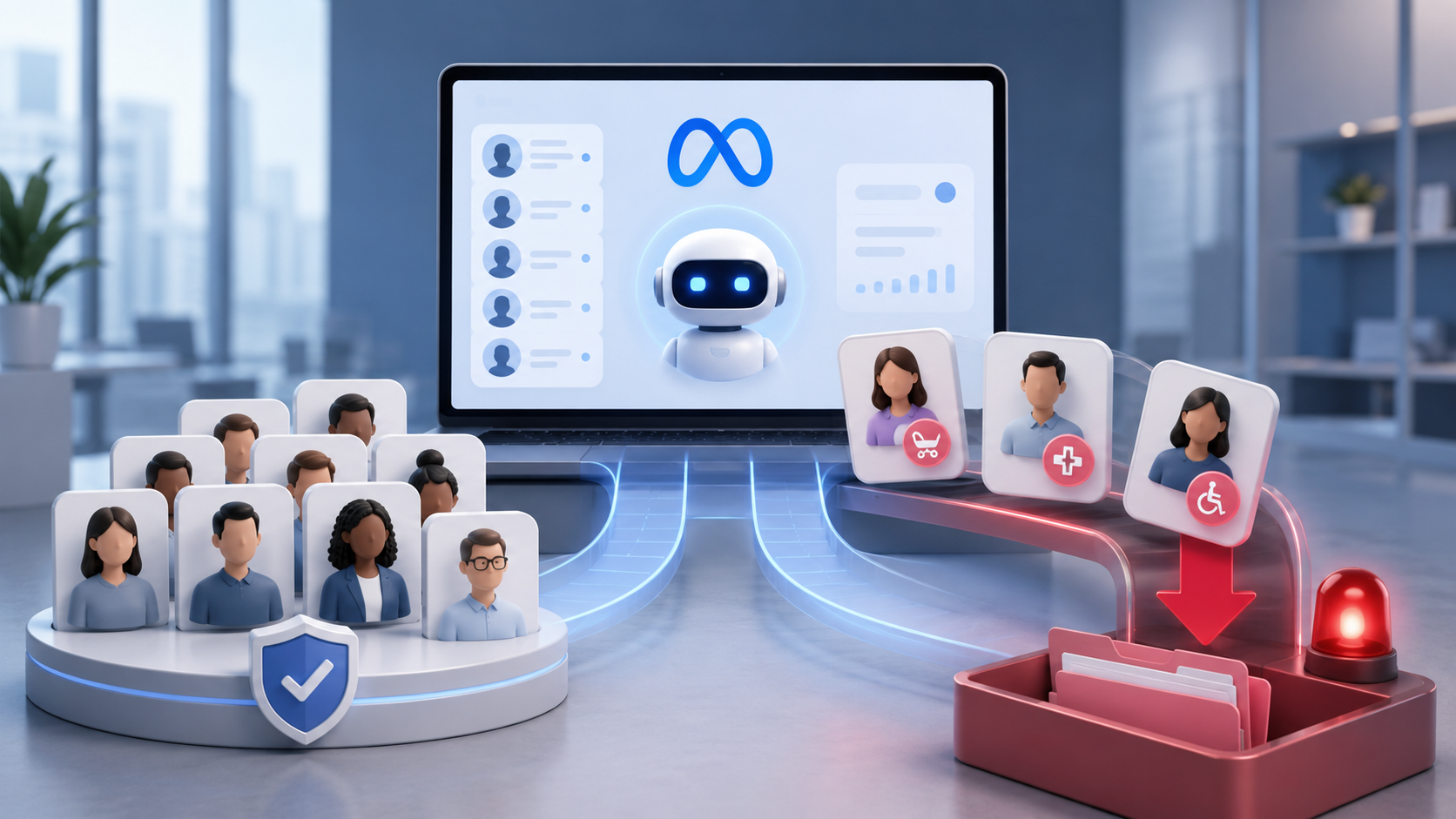
Meta is being sued by 26 current and former employees who claim the company's AI-assisted layoff process unfairly targeted workers on medical, disability, or parental leave, including 8 women on maternity leave and 4 men on parental leave.
The federal suit filed this week in California alleges Meta's internal suite of tools, including its Metamate bot, user-trained "second-brain" agents, activity trackers, and token-usage leaderboards, relied on continuous output metrics that automatically penalized employees for stepping away on leave.
Because the algorithms logged their legally protected absences as literal underperformance, these workers were disproportionately pushed onto May's list of 8,000 cuts. |
Image created with ChatGPT |
Plaintiffs want an injunction blocking separations set to start July 22 and an independent audit neutralizing leave-related data. Meta says "people, not AI" made the calls and insists the claims lack merit.
Why it matters: If the court sides with workers, every company experimenting with AI for performance, ranking, or reduction-in-force decisions could face fresh bias audits—and a wave of copycat lawsuits—before regulators even step in. When your pink slip comes from a chatbot, do you still get a goodbye cake? |
|
|
|
|
Writer/Editor at TechnologyAdvice |
Justin Meyers is an investigative writer and editor who draws on over a decade of meticulous hands-on research to deliver the full, trustworthy story behind consumer and enterprise tech, including cybersecurity. |
|
|
|
Curious about where AI is really headed? |
The Neuron cuts through the noise to bring you smart, hype-free takes on the latest AI trends, tools, and breakthroughs. Join 700,000+ professionals from top companies like Microsoft, Apple, Salesforce, and more.
|
|
|
|
Advertise in Daily Tech Insider! Daily Tech Insider is a TechnologyAdvice business. © 2026 TechnologyAdvice, LLC. All rights reserved.
TechnologyAdvice, 3343 Perimeter Hill Dr., Suite 215, Nashville, TN 37211, USA. |
|
|
|
|