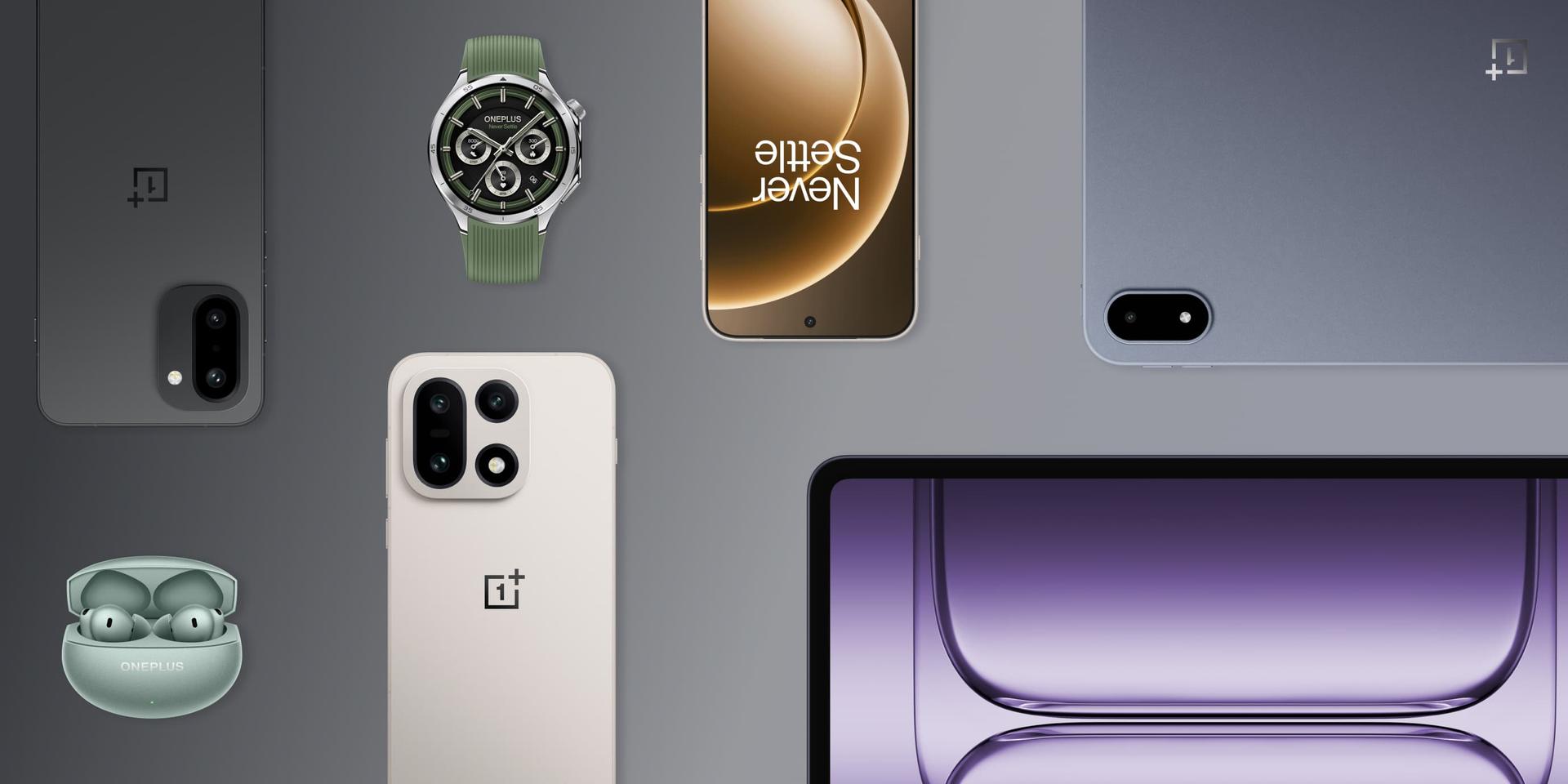
Hold the phone, Tech Insiders.
Android's familiar rules are being rewritten from the app store to the screen glass to the brands themselves. Google Play is letting rival stores in, Samsung is folding titanium into its next Galaxy displays, and OnePlus is retreating from markets it once fought to disrupt. Let's see what survives the upgrade. |
|
|
|
Here's what you need to know today: |
|
|
|
Google Play Opens Its Doors to Rival Stores |
Google is finally sharing the sandbox (and keeping the shovel).
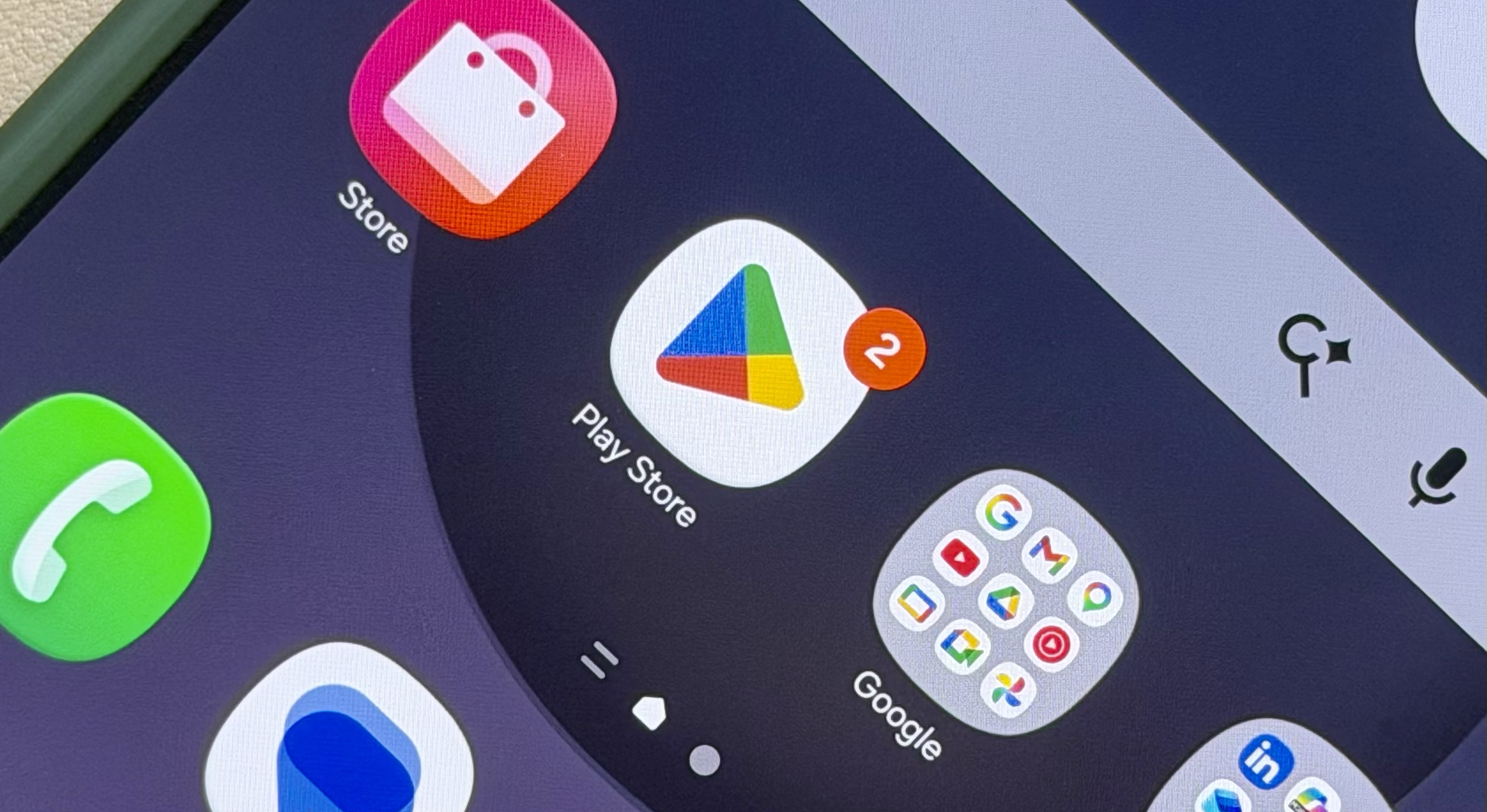
Starting next Wednesday, July 22, Google Play will let US users download rival Android app stores directly from its storefront, while approved third-party stores can tap into Play's app catalog.
The court-ordered shift follows Google and Epic Games withdrawing their request to rewrite the original injunction from Epic's antitrust win, meaning the US will get this seamless store-within-a-store setup; Google plans to begin rolling out its separate, sideloaded Registered App Stores program outside the US later this year. |
Google will automatically share developers' US listing details, including names, icons, descriptions, screenshots, and videos, unless developers opt out or manage stores individually.
Play catalog apps chosen through rival storefronts will still be delivered by Google Play under the same terms, with Google's service fees still applying; US rates vary by transaction and can be as low as 10% for eligible alternative billing.
Rival stores do not get a free kiosk. To appear inside Google Play, they must pass reviews, follow Play policies, submit their catalog's APKs, pay $15,000 annually plus some review costs, and keep malware install attempts at or below 1%. Catalog access carries a separate $5,000 annual fee.
Why it matters: For consumers, rival stores move from a sideloading scavenger hunt to an ordinary Play download, potentially bringing better discovery, prices, and payment options. For Google, competition has arrived, but it still owns the mall, handles checkout, and charges rent. |
|
|
|
Would you download a rival app store from Google Play? |
|
|
|
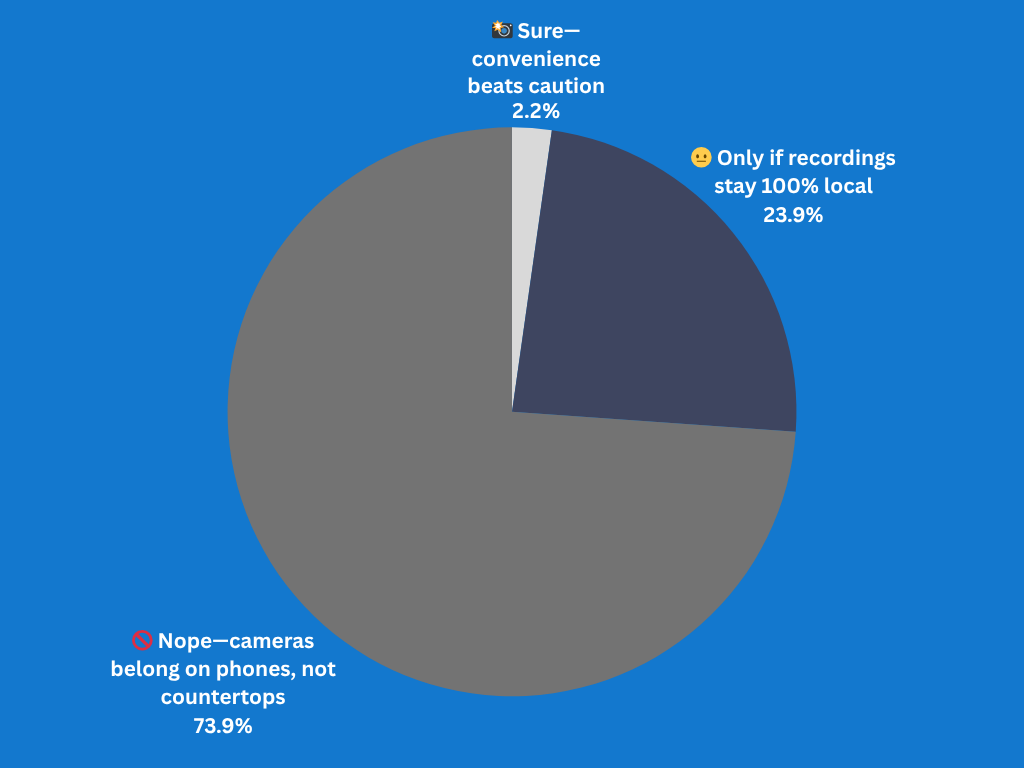
Results from Yesterday's Pulse Check |
Would you trust a camera-equipped smart speaker in your home? |
|
|
|
Samsung Tackles Foldable Weaknesses With Titanium |
Seven generations later, Samsung is still ironing out the wrinkles.
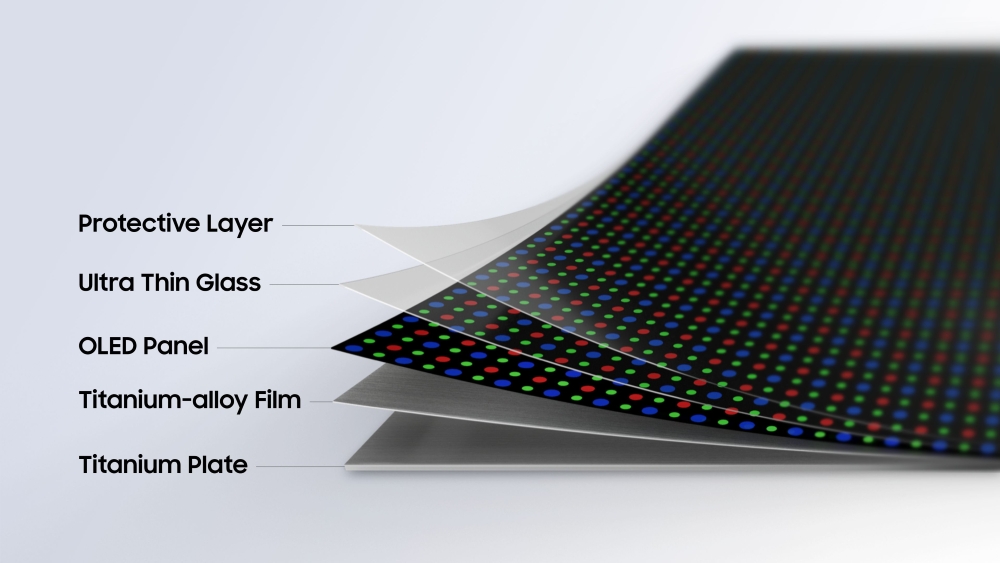
Samsung has unveiled Flex Titanium, a new display structure promising tougher, slimmer foldables with less-visible creases. It will debut in Samsung's next Galaxy foldables, expected to include the Galaxy Z Fold 8, Fold 8 Ultra, and Flip 8, with full details coming at Unpacked on July 22 next week.
Positioned beneath the OLED screen, a titanium-alloy film is 20 times stiffer than older polymer versions, yet measures just 30% the thickness of a human hair. Below that, a micro-patterned titanium plate removes air gaps to stabilize the opened display while keeping it bendable. Upgraded organic materials also promise reduced battery drain. |
During lab tours, reporters watched the screens survive metal ball drops and endure automated machines bending them up to 500,000 times at room temperature. While one attendee described the display as virtually crease-free, consumer units will still require real-world validation.
That real-world proof is crucial. Structural fragility and visible seams are still the primary complaints about foldables—and replacing a busted Galaxy Z Fold 7 internal display costs roughly $650 in Europe. However, Samsung lists it at $449 in the US. This titanium upgrade aims to lower those breakage rates, though utilizing premium metals might actually drive replacement costs higher. Furthermore, Samsung is deliberately advertising a minimized crease, not its extinction.
Interestingly, Samsung is openly rolling out the titanium welcome mat for Apple and its rumored foldable iPhone, betting that heavy-hitting competition will finally push the form factor into the mainstream. Now the hardware giant just needs its retail prices to bend, too. |
|
|
|
📈 Keep Your Sales Pipeline From Folding
Foldable screens should bend; your sales pipeline shouldn't. Pipedrive gives sales teams a visual way to track leads, manage deals, and see what needs attention, while AI prompts, email sequences, automations, and 500+ integrations keep repetitive work moving behind the scenes. Try the full platform free with no credit card required, and spend less time babysitting the CRM and more time closing.
📚 Master Oracle Skills for 90% Less
The 2026 Complete Oracle Course Bundle packs 22 hours of DBA, Data Guard, RAC, backup, and Git lessons for $19.99 so you can level up your database chops.
💡 Level Up Projects With Top PM Picks
5 Best Project Management Software for 2026 compares monday.com, Asana, Wrike, and more, so you can match features, pricing, and integrations to your team's workflow before committing. 💻 This section contains sponsored tech insights. Advertise with us! |
|
|
|
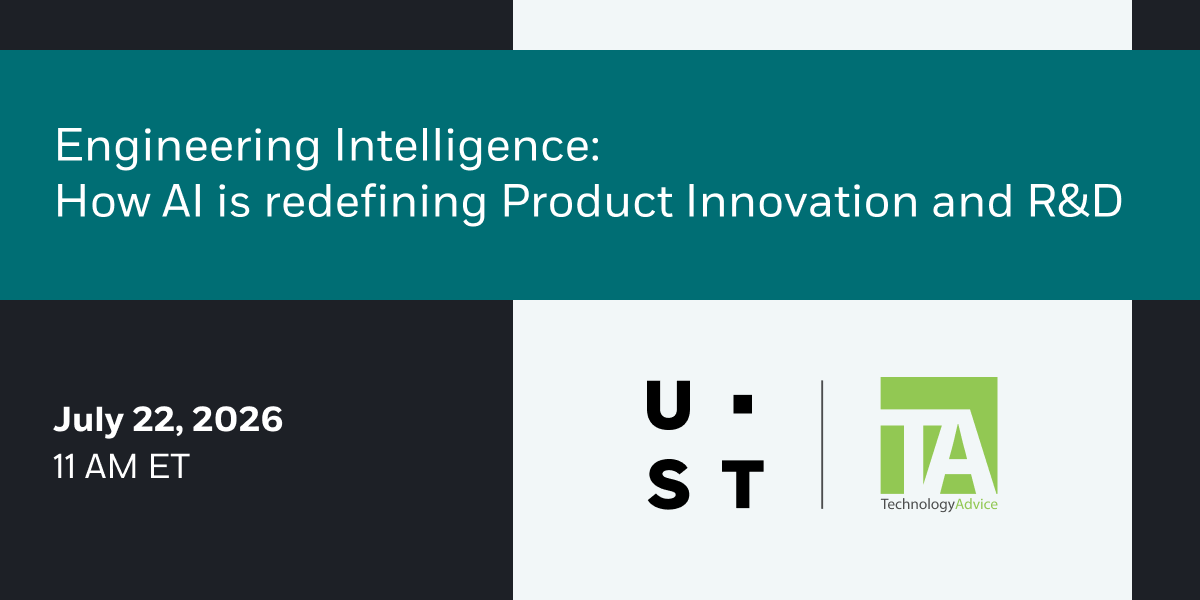
What Does It Take to Shorten Development Cycles Without Sacrificing Quality? |
TechnologyAdvice and UST invite you to an exclusive discussion on July 22, 2026, at 11:00 a.m. ET, focused on how AI is helping engineering teams reduce delays, improve decision-making, and scale innovation.
Learn how organizations are applying engineering intelligence to create faster, smarter, and more predictable product development processes. |
|
|
|
Critical Zoom Flaw Opens Door to Account Takeovers |
Zoom patched CVE-2026-53412, a critical 9.8-rated Windows flaw that could let unauthenticated attackers take over accounts. It affects Zoom Workplace before 7.0.0 and VDI Client before versions 7.0.10, 6.6.15, and 6.5.18.
This update cycle also fixes three high-severity local privilege-escalation bugs across Zoom's Windows clients, VDI plugin, Rooms, and Remote Control (Zoom's revised advisory removed Meeting SDK from the critical list). |
Image created with ChatGPT |
No exploitation has been reported, and Zoom offers no workaround.
Install Zoom's latest Windows releases now. Pro tip: run winget upgrade --all in your command prompt to update Zoom and other WinGet-supported apps. Your next meeting can wait. The patch shouldn't. |
ClickLock Holds Macs Hostage for Passwords |
ClickLock Stealer, a new macOS threat, deceives victims into running a bogus Cloudflare verification command in Terminal. Once executed, it silently drains cryptocurrency wallets, browser logins, password manager databases, and Keychain records.
Deny its fake password request, and the malware resurrects at the next login, terminating applications every 210 milliseconds until you surrender. Restarting the machine is futile since LaunchAgents automatically retrigger the kill loop, and a GSocket backdoor maintains a persistent presence.
Never paste web-sourced commands into your Terminal. If programs start randomly dying, withhold your password, execute a hard shutdown, and boot into Safe Mode. For compromised devices: disconnect from the network, terminate active web sessions, reset passwords from an uninfected computer, consider wallet keys breached, and consult IT.
Cloudflare checks browsers, not your Terminal skills. |
OnePlus Exits US, Europe as Realme Leaves China |
OnePlus has confirmed it will stop launching products in North America and Europe, while fellow Oppo sub-brand Realme will cease new releases in China. OnePlus will continue in China, and Realme will focus overseas. Existing OnePlus phones will keep promised updates, warranties, and after-sales service, but eligible models will be offered an optional move from OxygenOS to Oppo's ColorOS starting with Android 17. Older models will retain OxygenOS maintenance support. Owners can reportedly roll back, likely at the expense of future updates. Oppo sells phones in Europe and plans to increase its investments there but has no North American product plans, leaving US OnePlus buyers without an obvious successor. |
The retreat follows OnePlus's slide from 1 million US shipments in 2019 to under 130,000 in 2025, as T-Mobile distribution vanished and its "flagship killer" pricing crept toward that of premium rivals. Layoffs and staff moves have already hit regional teams, though Oppo hasn't disclosed totals.
Now, AI data centers are absorbing more of the memory supply and driving up costs, while smartphone shipments have fallen to a 13-year second-quarter low, squeezing smaller brands further. Bloomberg says OnePlus could later quit India and other remaining markets in 2027, but OnePlus says India is operating normally, labels it a "priority market," and calls that unverified speculation.
The reshuffle narrows Android choice in the US, where Apple and Samsung held a combined 80% of the smartphone market in 2025. For a brand built on "Never Settle," that's quite a settlement. |
|
|
|
|
Writer/Editor at TechnologyAdvice |
Justin Meyers is an investigative writer and editor who draws on over a decade of meticulous hands-on research to deliver the full, trustworthy story behind consumer and enterprise tech, including cybersecurity. |
|
|
|
Curious about where AI is really headed? |
The Neuron cuts through the noise to bring you smart, hype-free takes on the latest AI trends, tools, and breakthroughs. Join 700,000+ professionals from top companies like Microsoft, Apple, Salesforce, and more.
|
|
|
|
Advertise in Daily Tech Insider! Daily Tech Insider is a TechnologyAdvice business. © 2026 TechnologyAdvice, LLC. All rights reserved.
TechnologyAdvice, 3343 Perimeter Hill Dr., Suite 215, Nashville, TN 37211, USA. |
|
|
|
|