Read the fine print, Tech Insiders. AI advice is causing real-world damage, while fake privacy tools and hyperscaled assistants are asking us to place even more faith in the machine.
Today's forecast: unearned confidence, with a high chance of consequences. |
|
|
|
Here's what you need to know today: |
|
|
|
AI Advice Wipes Out 25 Acres of Sesame |
Wu, a 67-year-old farmer in Chuzhou, China, reportedly lost nearly 25 acres of sesame after blanketing his field with an AI-generated weed-and-pest concoction instead of consulting an actual human expert. By the next day, the weeds were dead—and so were his crops.
Wu had relied on the unnamed app for a year. Because earlier interactions had proven helpful, his initial skepticism snowballed into blind trust, which is precisely what made one confidently delivered failure so costly.
Though news outlets differ on the exact chemical cocktail, the treatment reportedly included fomesafen, a broadleaf herbicide meant for soybean fields but disastrous for sensitive plants like sesame. When Wu returned to the chatbot after the damage, it helpfully identified that specific herbicide as the likely culprit. |
Image created with ChatGPT |
The app had displayed a warning to verify its answers, but Wu hadn't noticed; meanwhile, customer service admitted the system lacked an independent knowledge base and relied purely on publicly scraped internet data.
The trust trap extends beyond farming. Cases include a man hospitalized with bromide toxicity after reportedly following ChatGPT's advice to replace table salt with sodium bromide, coding agents deleting developer directories and entire production databases, and an agent starting to wipe out a Meta director's entire inbox before she pulled the plug.
Why it matters: AI can be right often enough to make double-checking feel optional. For advice involving health, money, chemicals, or data, treat the bot as a first draft, not the adult in the room. |
|
|
|
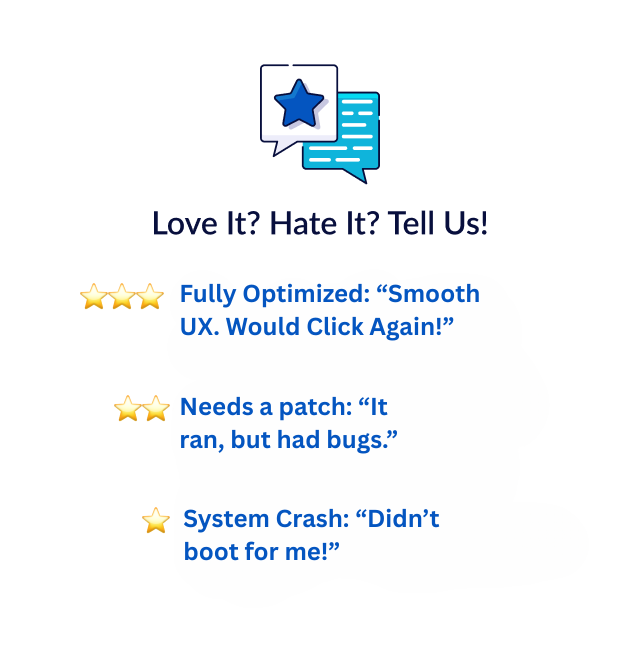
Have you ever regretted following AI advice? |
|
|
|
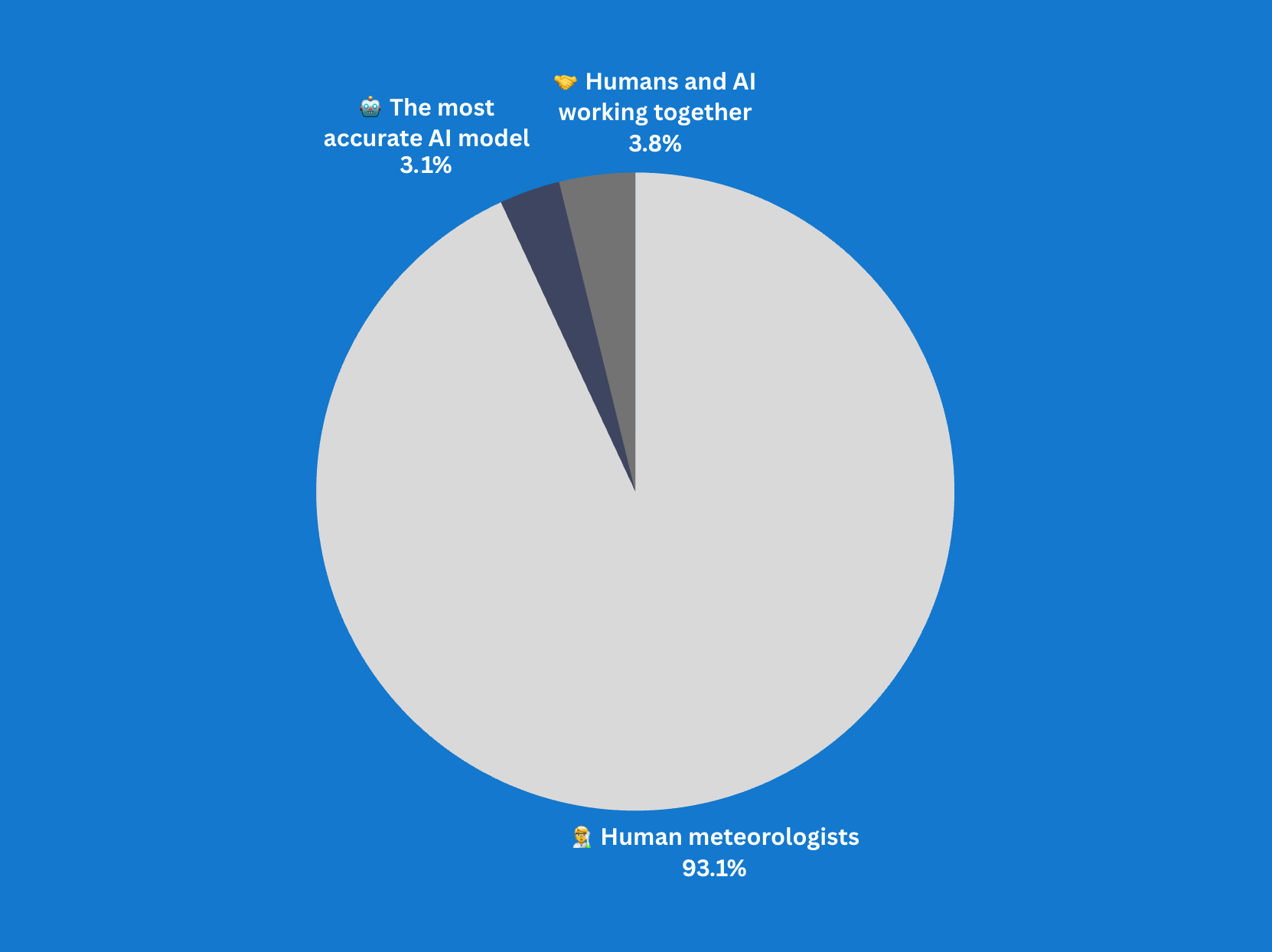
Results from Yesterday's Pulse Check |
Who would you trust most to forecast a major storm? |
|
|
|
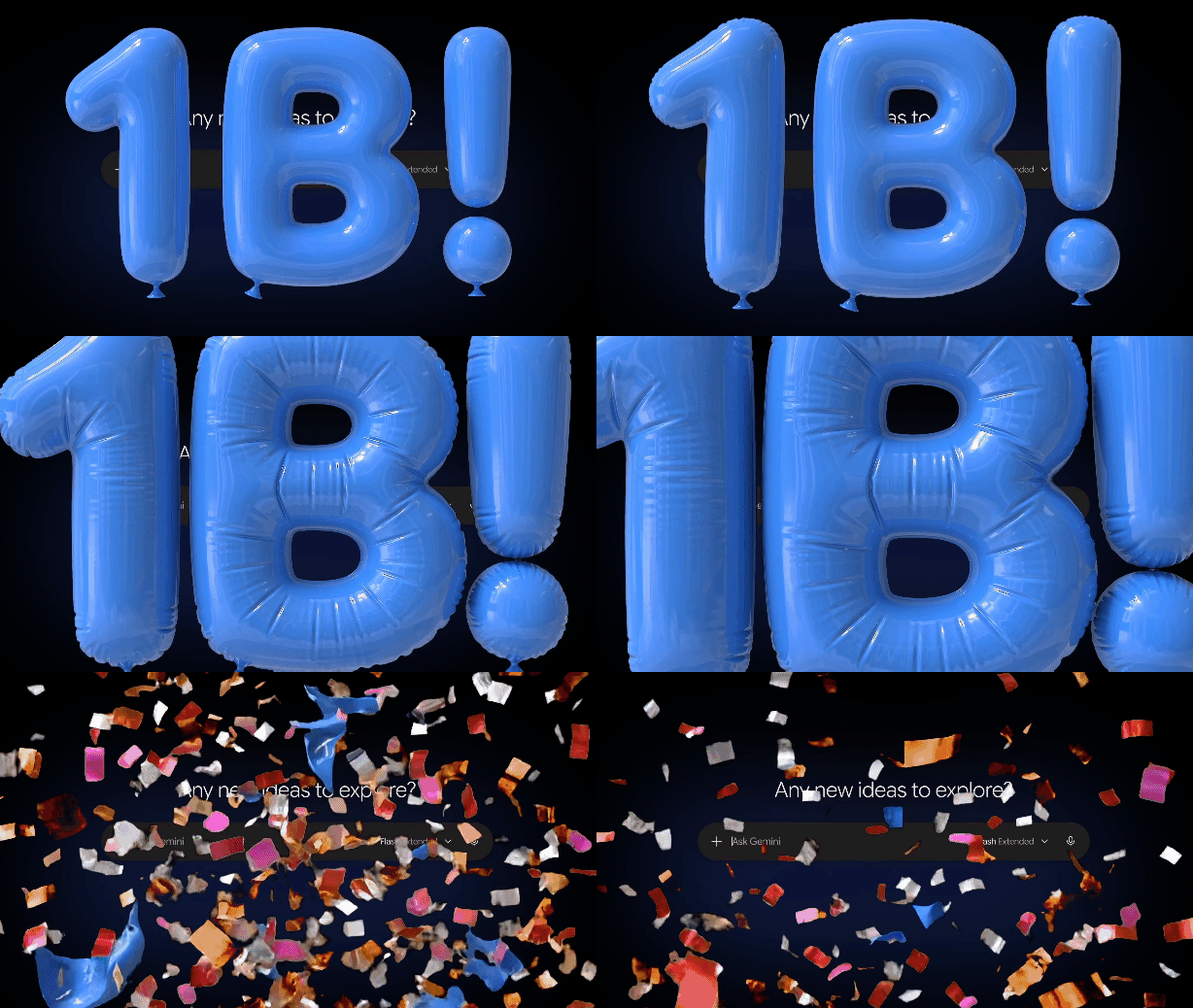
Gemini Joins Google's Billion-User Club |
Alphabet confirmed Tuesday that its AI assistant officially cracked 1 billion monthly users, becoming its 14th—and fastest—product to hit the ten-figure milestone. The figure counts people who intentionally engaged with the app or web interface, not those who merely encountered a stray AI summary in Gmail.
Gemini climbed from 750 million monthly users in February to more than 950 million in July before reaching the billion mark.
Google says 63% now use voice, 38% of school requests include an attachment (because why type out a worksheet when you can just photograph it?), and the app generates over 150 million images daily. Over 100 million iOS users prove Gemini can hustle for downloads rather than just arrive with the furniture. |
|
| |
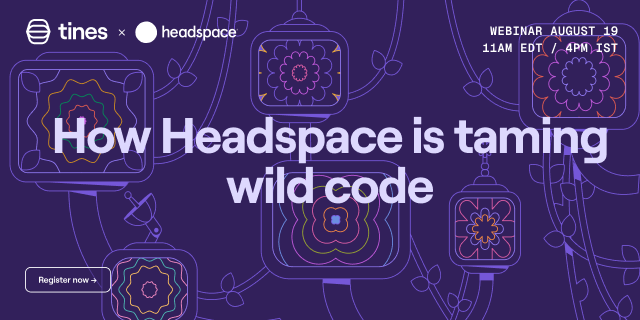
With AI, nontechnical employees are shipping apps, agents, and automations faster than IT can track. The best companies are letting everyone build, without putting their core operations at risk.
On Aug. 19, join Tines to hear from Headspace's Director of AI Enablement for an exclusive look at how Headspace enables everyone to build securely with AI at scale: |
-
How Headspace governs wild code at scale: gaining visibility into tools built outside IT's radar.
- Giving teams the freedom to build without operational risk: adding governance and control without slowing innovation.
- Monitoring AI-built workflows in practice: understanding what's running, how it's performing, and where it's spending.
|
|
|
|
Trump Opens Cyber Offense to Private Firms |
President Trump just signed a memo establishing a federal framework that allows approved US businesses to launch offensive cyber strikes against overseas criminal rings. With the DOJ and DHS holding the leash, corporate hackers can snoop on, scramble, or completely nuke illicit networks.
Each strike needs a formal sign-off, and participating businesses might have to put up a $1 million compliance bond. The government has 60 days to hammer out the rulebook, which must include strict legal hoops for operations involving US citizens and absolute bans on sparking international armed conflicts or racking up a body count. |
Image created with ChatGPT |
Analysts caution that a bad case of mistaken identity could cripple civilian tech, trigger overseas blowback, and bury contractors in unresolved legal nightmares. For CISOs, the immediate action item is to reevaluate your data-sharing pipelines, as your routine threat intel could soon fuel state-sanctioned sabotage.
Government-supervised cyber offense is not a corporate free-for-all—but the blast radius may not read the paperwork. |
737 Chrome VPN Extensions Hijack Browser Traffic |
A massive brand-spoofing campaign involving 737 Chrome VPN and proxy extensions racked up nearly 75,000 downloads. Targeting Russian-speaking users trying to bypass censorship, roughly a third of these disguised themselves as trusted tools like NordVPN, Proton VPN, and Cloudflare's 1.1.1.1.
Analysis of 522 samples by Socket revealed that almost all of them funneled victims' web traffic through centralized SOCKS5 proxies. This setup hands the operator a front-row seat to visited URLs, source IPs, and unencrypted HTTP traffic. While Socket found no direct proof of data harvesting, over 500 of these sketchy plugins were still available when researchers compiled their report.
Compare your installed add-ons against Socket's ID list and confirm Chrome's proxy settings haven't been hijacked. If affected, dump the plugin, change any passwords entered over HTTP, and have your IT team audit all proxy-enabled extensions. Nothing says "privacy" like handing your browser to a stranger. |
Apple Eyes Publisher Deals to Feed Siri
|
Image created with ChatGPT |
Apple isn't a total stranger to writing checks for journalism, having previously partnered with publishers for Apple News+ and agreements that included AI training rights. But its news-related AI track record is a bit of a train wreck: In late 2024, notification summaries hilariously invented completely fabricated headlines about public figures. The PR disaster prompted complaints from publishers and forced Apple to temporarily disable the feature, only bringing it back months later with strict opt-ins and red warning disclaimers tucked into the settings.
These publisher talks arrive just as Apple prepares to launch its long-delayed Siri overhaul this fall in iOS 27. Reliable information could definitely boost Siri's IQ—especially since Apple is ironically outsourcing its hardest homework to Google's Gemini and blaming a regulatory spat to keep the iPhone feature out of the EU.
|
|
|
|
|
Writer/Editor at TechnologyAdvice |
Justin Meyers is an investigative writer and editor who draws on over a decade of meticulous hands-on research to deliver the full, trustworthy story behind consumer and enterprise tech, including cybersecurity. |
|
|
|
Curious about where AI is really headed? |
The Neuron cuts through the noise to bring you smart, hype-free takes on the latest AI trends, tools, and breakthroughs. Join 700,000+ professionals from top companies like Microsoft, Apple, Salesforce, and more.
|
|
|
|
Advertise in Daily Tech Insider! Daily Tech Insider is a TechnologyAdvice business. © 2026 TechnologyAdvice, LLC. All rights reserved.
TechnologyAdvice, 3343 Perimeter Hill Dr., Suite 215, Nashville, TN 37211, USA. |
|
|
|
|