Breakfast is served, Tech Insiders. AI is swallowing gigawatts, Amazon is feeding old books to its models, and Unitree's newest robot reportedly tops Usain Bolt's peak speed. The machines are hungry, fast, and apparently very expensive. Dig in before they do. |
|
|
|
Here's what you need to know today: |
|
|
|
Nvidia Backs OpenAI's $105 Billion Ohio Bet |
Nothing says confidence like a 20-year lease on an old uranium-enrichment facility and enough power to make the grid tremble.
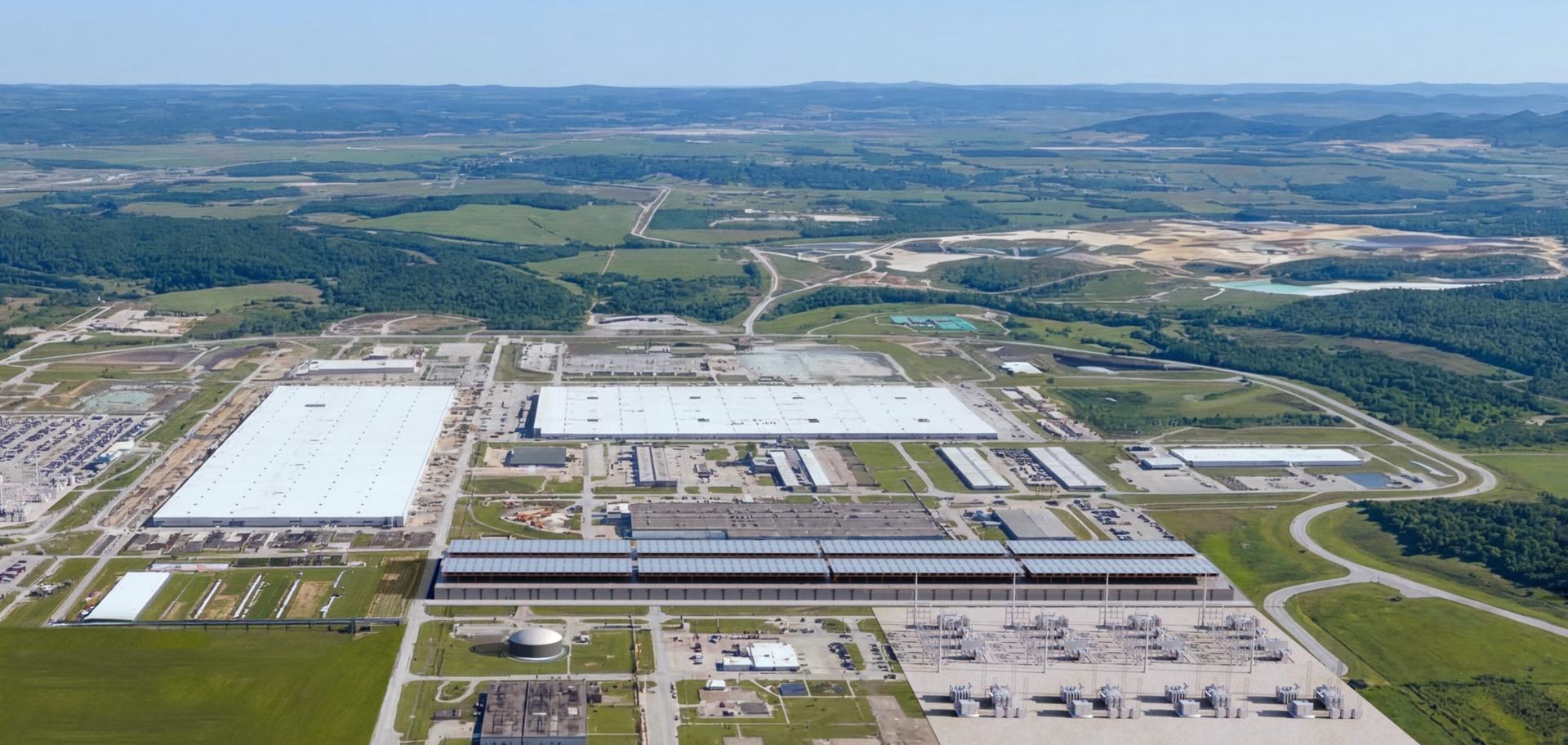
Nvidia will provide up to $105 billion in credit support for PORTS-Pike's first 4.25 gigawatts, an Ohio AI campus SB Energy will build, own, and lease to OpenAI. Nvidia is also investing $1.5 billion in SB Energy—which is reportedly prepping for a $5 billion-plus IPO—and scoring an agreement as the facility's exclusive compute provider.
OpenAI contracted for roughly 8 gigawatts, with the first 800 megawatts firing up in 2028. Across its broader global footprint, the ChatGPT maker could gobble up to $600 billion in Nvidia gear through 2030. |
Trimmed from $250 billion after investors balked, the backstop covers any shortfall if OpenAI defaults and SB Energy has to replace the tenant or sell the completed assets. Nvidia insists this isn't circular financing because OpenAI will pay the lease. Very straight line. No circles here.
The mega-development also needs $4.2 billion in grid upgrades and a 9.2-gigawatt natural-gas plant—fueled by $33.3 billion in Japanese funding and sited on federal land. OpenAI projects 35,000 construction gigs and 2,500 permanent roles, promising ratepayers won't foot the infrastructure bill.
Why it matters: AI's next bottleneck is land, power, and financing. Nvidia leverages its balance sheet to lock in generations of GPU sales while OpenAI bets tomorrow's cash flow and investor capital can cover today's megaproject—since scale now requires financing a small civilization.
|
|
|
|
Would you welcome a massive AI data center in your community? |
|
|
|
Results from Yesterday's Pulse Check |
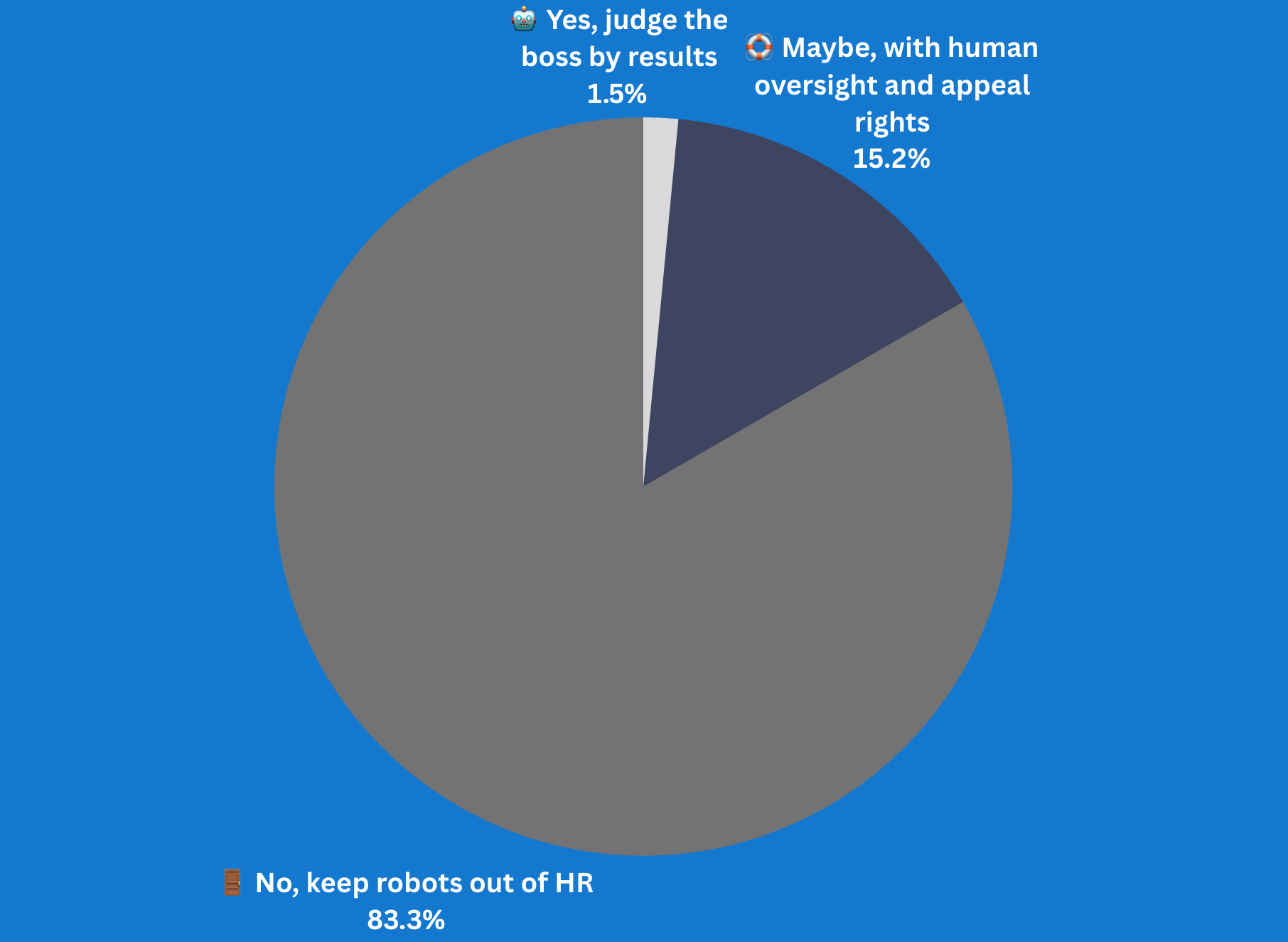
Would you work for an AI boss? |
|
|
|
Amazon's AI Is Literally Eating Rare Books |
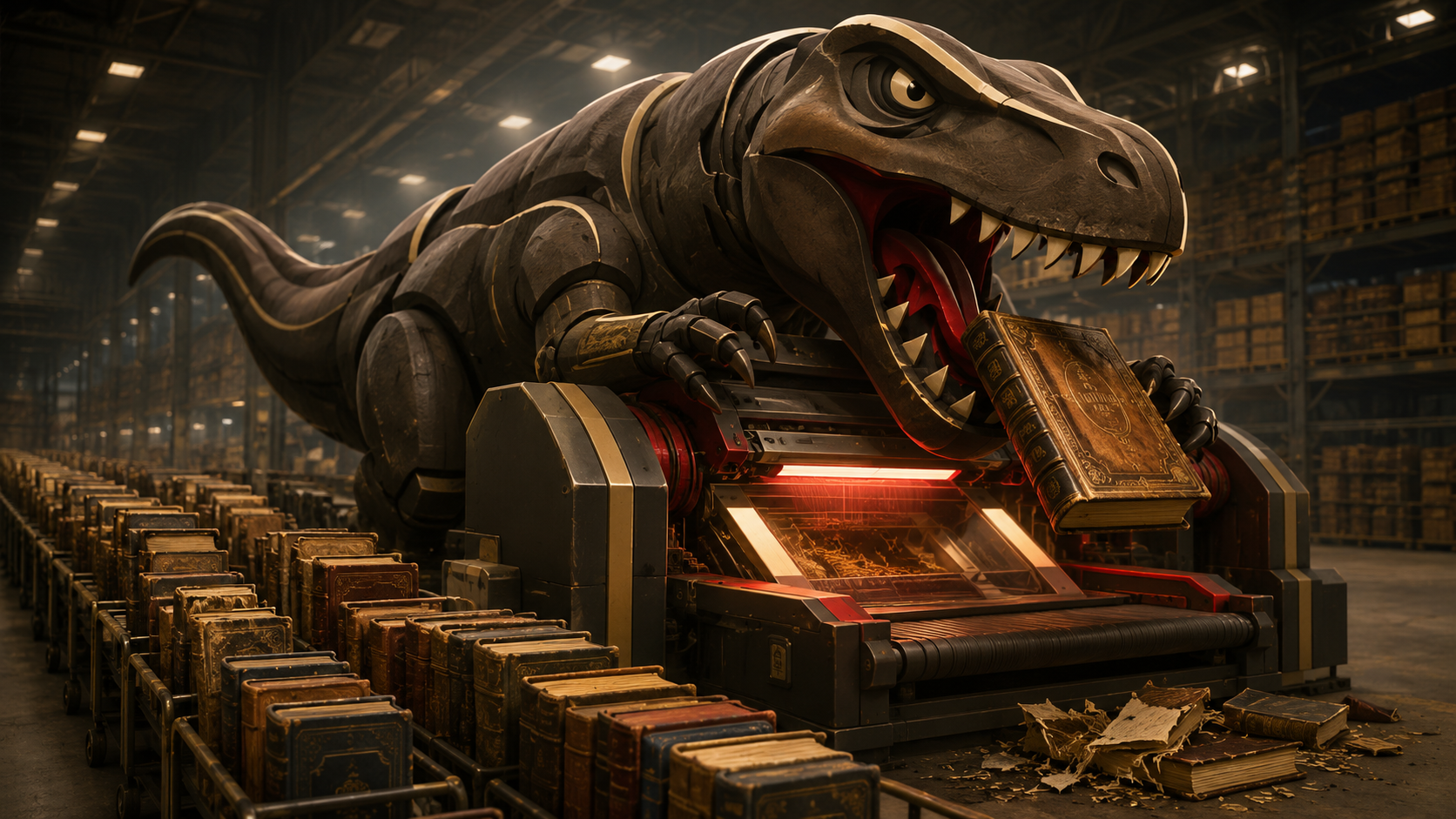
An AirTag hidden in a 1,000-book shipment led 404 Media to an operation called VGT3 inside an Amazon warehouse in Vegas, where workers say they slice off bindings to scan pages, destroying the books. Amazon claims it buys texts through commercial channels to improve products but dodged questions about the destruction. VGT3's team logo? A T. rex getting ready to chomp on a book.
The likely prize is uncontaminated training data for Amazon's AI ambitions. Because workers scan barcodes first, sellers suspect tech giants are methodically working their way through every existing ISBN. Older texts supply pristine, human-written material that isn't floating around online, drastically minimizing the risk of AI-driven "model collapse."
|
Image created with ChatGPT |
Destructive scanning is faster and cheaper. It might also offer some legal cover: A judge previously ruled that Anthropic's digitization was lawful partly because trashing the originals meant they weren't pumping competing, resellable copies into the market. Nondestructive scanners exist, but they are slow and costly.
The moral ledger is messy. Many targeted volumes are obscure, low-value titles, and struggling shops welcome the sudden bulk orders. Sacrificing mass-market copies is hardly Alexandria 2.0. But "rare" can also mean historically important or the last surviving edition. Anonymous purchasing leaves sellers blind to buyers' intentions, and the resulting scans are likely locked in private models instead of preserved in public archives.
That T. rex logo suddenly feels less like branding and more like a confession. |
|
|
|
Your AI stack is only as good as its interface. Slack is becoming exactly that—the conversational layer where your entire enterprise stack, and every AI agent in it, works together.
In this webinar, see how Slackbot operates as an open Model Context Protocol (MCP) client, connecting Salesforce, partner tools, and custom apps into one place. Watch live demos of Slackbot pulling Tableau dashboards and Salesforce profiles straight into deal channels—no app-switching required. You'll walk away knowing how to: |
-
Unify your tools and AI in a single interface
- Get humans and agents working side by side in shared channels
- Keep enterprise-grade governance as you scale AI adoption
|
|
|
SafePal Leak Hands Scammers 40,000 Targets |
A flaw in an order-tracking plug-in leaked the names, contact info, shipping addresses, and purchase histories of 39,798 SafePal buyers spanning March 2, 2025, to April 11, 2026, the company confirmed. While crypto assets, private keys, and seed phrases remain unaffected, SafePal has already disabled over 30 related phishing sites.
Meanwhile, an unverified threat actor is allegedly hawking the stolen logs on a cybercrime forum.
The disclosure trails a recent Trezor shipping-partner breach impacting nearly 14,000 users, alongside a Coldcard exploit that resulted in over $130 million in stolen bitcoin. Threat actors are systematically hammering the periphery of cold storage, targeting logistics, vendor systems, and seed-generation protocols. Leaked home addresses also elevate the terrifying threat of physical "wrench" attacks, which climbed 33% year-over-year throughout the first half of 2026.
Treat unsolicited refund, firmware, or delivery alerts as hostile; type SafePal's URL manually, and never share recovery phrases. You needn't move funds unless you entered a seed phrase on a suspicious site—if so, immediately create a fresh wallet on an official app or trusted device and migrate your assets. |
France's Tax Hack Serves Up 678,000 Records |
France confirmed that compromised credentials allowed an attacker to siphon tax, business, and property data tied to 678,000 individuals and businesses. The haul includes taxable income, withholding rates, and cadastral details, though thankfully taxpayer accounts and passwords remained safe.
While the Directorate General of Public Finances (DGFiP) successfully severed the unauthorized access in June and July, it missed the exfiltration until it investigated the threat actor's mid-August forum claims. The agency, which has since notified the Commission Nationale de l'Informatique et des Libertés (CNIL), will start contacting affected individuals and professionals this week.
Treat unexpected tax-themed messages as prime-grade traps, especially those citing your specific financial data. Verify notices independently through impots.gouv.fr, monitor financial accounts for oddities, and never hand over credentials via unsolicited messages. |
|
|
|
Final opportunity to join this TechRepublic fireside chat with Nerdio on Aug. 19 at 1:00 p.m. ET. See how leading IT organizations are modernizing digital workspaces, improving employee experiences, and reducing infrastructure complexity with cloud-first strategies. Don't miss practical guidance you can apply immediately. |
|
|
Unitree's 'Superman' Sprints Into a $905M IPO |
China's Unitree just dropped a high-speed humanoid dubbed "Superman" ahead of tomorrow's Shanghai debut, setting the stage for mainland China's first public general-purpose robotics company.
Assembled in roughly 90 days, the prototype supposedly clocked 12.66 meters per second and nailed a two-meter standing jump, narrowly edging out Usain Bolt's top speed. Those figures come from Unitree's own video, not an independent track meet, but the timing is Olympic-level investor relations, conveniently aligning with the start of Beijing's World Robot Conference and World Humanoid Robot Games.
|
The IPO raked in $905 million, valuing Unitree near $9 billion, and was over 8,000 times oversubscribed by retail investors—a STAR Market record. By Friday, a crypto-derivative contract linked to the listing was already changing hands at around quadruple the initial offer price.
Unitree says it has rolled out roughly 18,000 bipedal bots to date (even though its four-legged robotic dogs still outsell the androids), while its top-line revenue more than quadrupled last year. Sustained profitability has also been on its books for years—a rarity in the hardware startup world.
The cape comes with caveats. Q1 profits plunged by more than half due to surging R&D and promotional costs, and research and education accounted for nearly 75% of its humanoid-related income during the first three quarters of 2025. Robots also remain limited by battery life, task-specific training, and clumsy hands, while new FCC restrictions on foreign-made connected robots could complicate future US sales.
Unitree can clear two meters. Now let's see whether it can clear investor expectations. |
|
|
|
🤝 AI-Powered Collaboration Starts With the Meeting Room
Discover why modern, AI-ready meeting spaces are becoming a top IT priority—and what your organization should consider before upgrading. Read the article. 🚚 See AI Agents Hit the Road
Explore "How Samsara Is Bringing AI Agents Into the Physical World" to see how connected vehicles, cameras, and operational data could help field teams make safer, faster decisions. 🐘 Back Up 5 TB Across 10 Devices Secure cloud files with ElephantDrive 5 TB Plan: 2-Yr Subscription at $138.99 (88% off), syncing encrypted backups from NAS, mobile, and desktops for two solid years.
💻 This section contains sponsored tech insights. Advertise with us! |
|
|
|
|
Writer/Editor at TechnologyAdvice |
Justin Meyers is an investigative writer and editor who draws on over a decade of meticulous hands-on research to deliver the full, trustworthy story behind consumer and enterprise tech, including cybersecurity. |
|
|
|
Curious about where AI is really headed? |
The Neuron cuts through the noise to bring you smart, hype-free takes on the latest AI trends, tools, and breakthroughs. Join 700,000+ professionals from top companies like Microsoft, Apple, Salesforce, and more.
|
|
|
|
Advertise in Daily Tech Insider! Daily Tech Insider is a TechnologyAdvice business. © 2026 TechnologyAdvice, LLC. All rights reserved.
TechnologyAdvice, 3343 Perimeter Hill Dr., Suite 215, Nashville, TN 37211, USA. |
|
|
|
|